How to Choose a Reliable Red Light Therapy Manufacturer
2025-10-11
Supplier Selection Guide
How to Choose a Reliable Red Light Therapy Manufacturer
Choosing the right red light therapy manufacturer is the most important decision for any distributor or brand entering the market. The wrong partner costs you quality, time, and money. This guide shows you how to avoid five common types of unreliable suppliers — with the questions to ask, the documents to request, and what to check during a factory visit.
01 How to Avoid a Trader Who Can Do Everything
Many suppliers claim they can make everything, but are actually trading companies with no factory of their own. Quality, delivery, and after-sales are all out of their control.
Questions to Ask
Are you a factory or a trading company?
What percentage of your business is red light therapy devices?
How many red light models do you currently produce?
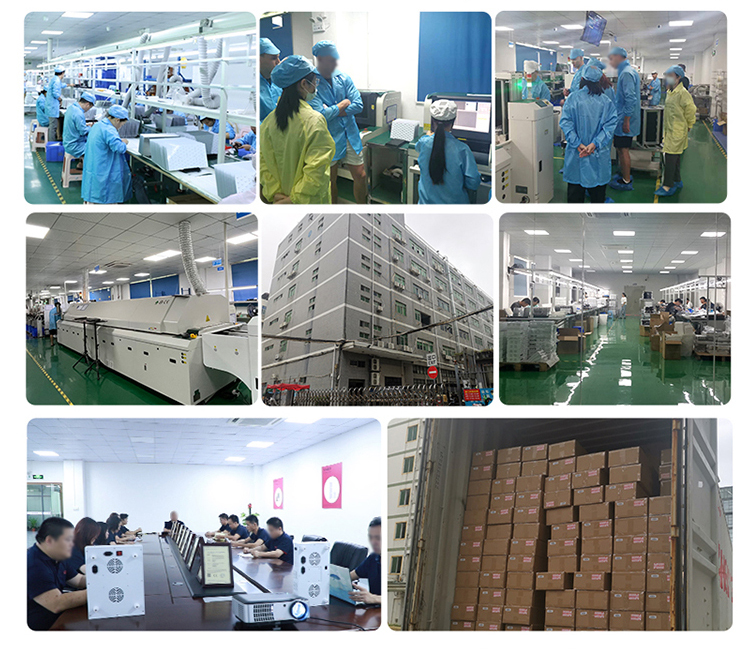
Can you share your factory address and production workshop photos?
Do you have your own production line, QC team, and R&D team?
Documentation to Request
Business license or factory registration documents
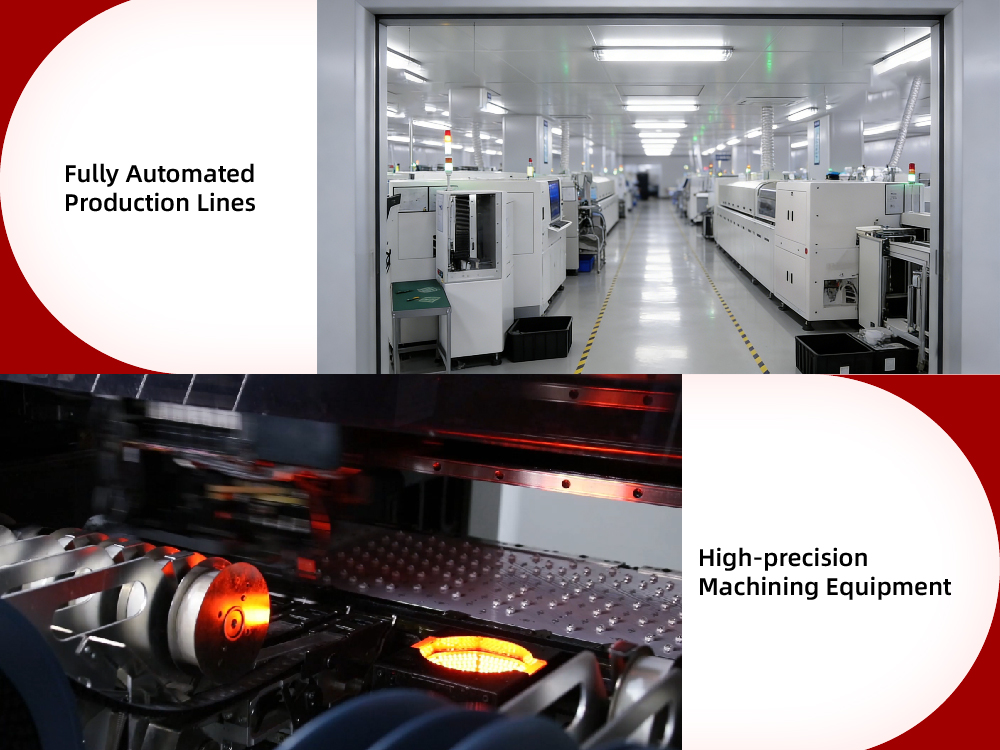
Real photos or videos of the production workshop, production line, and testing equipment
A catalog of red light products currently in production
Qualification documents proving factory status (e.g., an ISO9001 certificate under the company's own name)
What to Check During a Factory Visit
Whether the workshop shown in photos actually exists and is in operation
Whether the production line is currently making red light products
How many workers are on site, and what they are actually doing
Whether QC and R&D are in-house or outsourced
Whether the "factory" is just an office with a warehouse
Click to zoom
02 How to Avoid a Supplier With Poor Quality
Quality problems usually come from two gaps: missing certifications and missing inspection processes. Both must be verified before you commit.
Questions to Ask
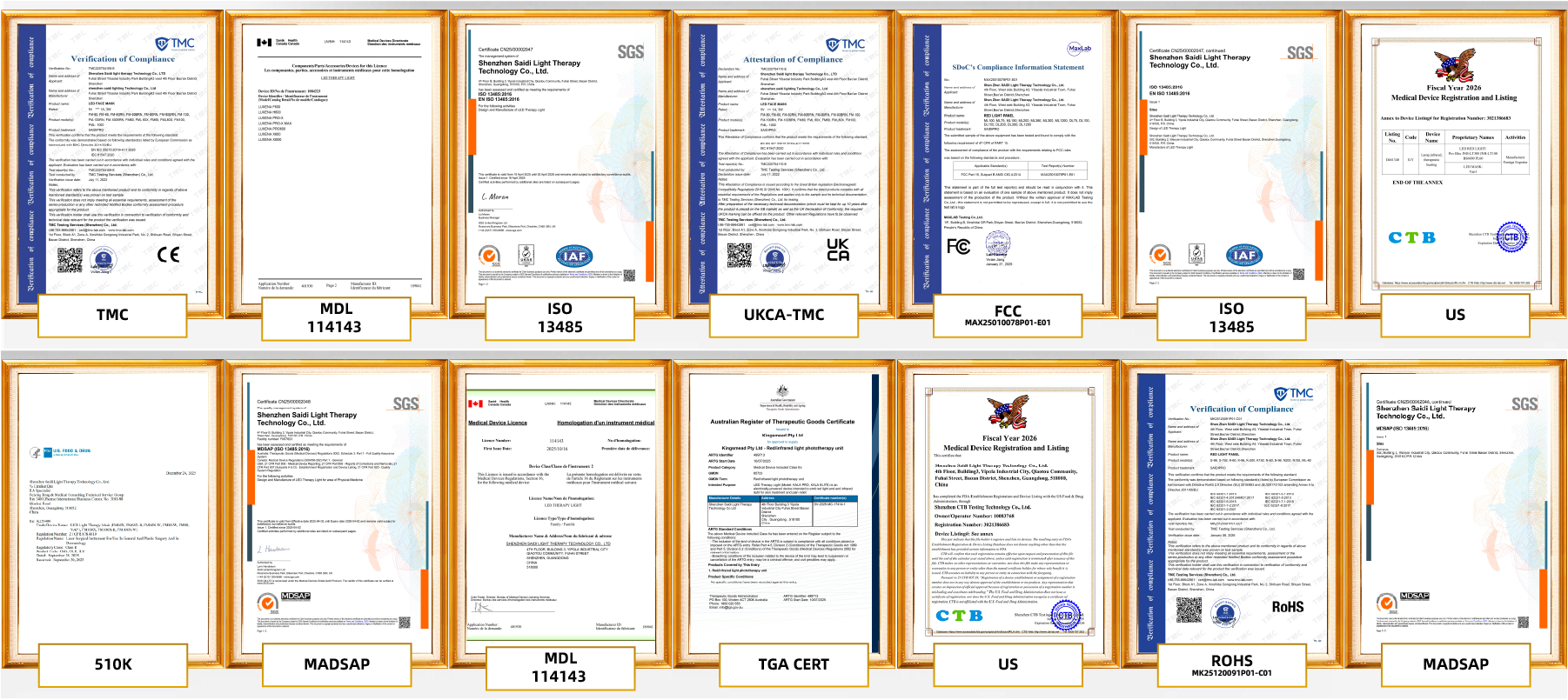
Which certifications do you hold — CE, FCC, UKCA, RoHS, ISO9001, ISO13485?
Can you provide test reports that match our target market?
What does your quality control cover — incoming inspection, in-process testing, final inspection, aging tests?
What is your defect rate, and how do you track it?
Are aging tests part of your standard process for every batch?
Click to zoom
Documentation to Request
Valid certificates and matching test reports
QC process documents: incoming inspection standards, in-process test records, final inspection standards
Recent outgoing inspection reports
A list of testing equipment (e.g., irradiance meters, temperature testers)
What to Check During a Factory Visit
Whether the incoming material inspection (IQC) area exists and is actually used
Whether there are testing stations along the production line
Whether final inspection and aging test equipment are present and running
Whether inspection records are archived and traceable
How defective products are handled and segregated
03 How to Avoid a Supplier Without R&D Capability
A supplier with no real R&D can only sell standard products. You lose the ability to customize, differentiate, or improve the product over time.
Questions to Ask
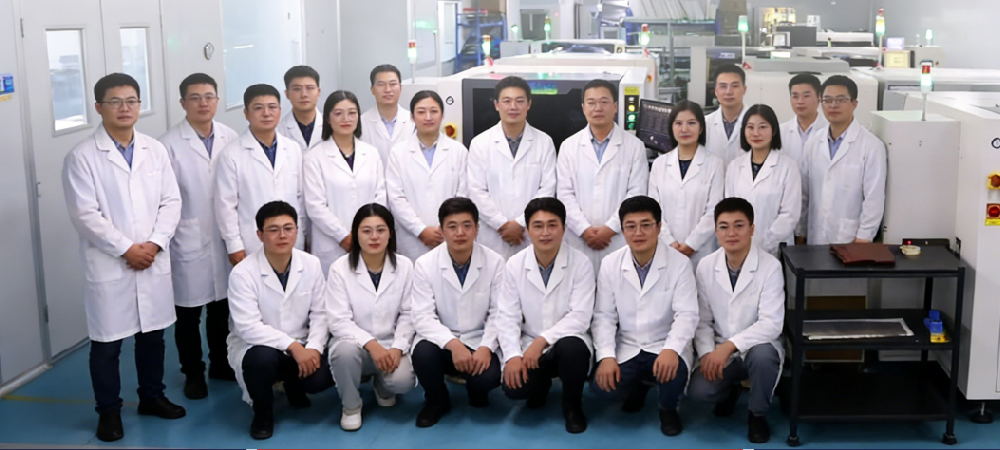
How large is your R&D team, and what are their backgrounds?
What optical and thermal testing equipment do you have — e.g., integrating spheres, irradiance meters?
Can you provide measured data for wavelength and irradiance?
Can you support custom development — structure, LED configuration, software, control systems?
What is your typical prototyping cycle?
Documentation to Request
R&D team introduction or organization chart
List and photos of testing equipment
Click to zoom
What to Check During a Factory Visit
Whether the R&D office and lab are real and staffed
Whether testing equipment exists and can be demonstrated in operation
Whether prototypes and samples are kept in a sample room
Whether they have in-house prototyping capability (structural parts, molds, software)
Whether engineers can explain the product technology in detail
04 How to Avoid a Supplier With Poor Customer Service
Cross-border cooperation fails more often from communication gaps than from technical issues. Slow responses, no clear point of contact, and silent progress reports are early warning signs.
Click to zoom
Questions to Ask
How quickly do you respond to inquiries?
Will we have a dedicated project manager?
How do you report production progress?
What is your warranty policy, and when does it start?
How do you handle after-sales issues, and how fast do you respond?
Documentation to Request
A sample project progress report or process document
Warranty terms in writing
After-sales process description
Spare parts policy
What to Check During a Factory Visit
Whether the sales and customer service team is professional and knowledgeable
Whether they use project management tools or documented processes
Whether you can contact their existing customers for references
Whether an after-sales team actually exists
How quickly they follow up after your visit
05 How to Avoid an Unstable Supplier
An unstable partner means drifting lead times, changing prices, staff turnover, and interrupted supply — problems that directly reach your own customers.
Questions to Ask
How long has the company been in business?
What is your monthly capacity and current lead time?
Can you commit prices and lead times in writing?
How long have your existing customers been working with you?
How do you secure raw materials and key components?
Click to zoom
Documentation to Request
Company registration and years in business
Recent order fulfillment records or delivery performance data
A reference list of long-term customers
A draft supply agreement covering price, lead time, and capacity commitments
What to Check During a Factory Visit
Whether the factory is actively running — busy lines versus an empty workshop
Employee turnover and overall team stability
Warehouse stock levels for raw materials and components
The condition and age of equipment
The production schedule and order backlog
Conclusion
For distributors, wellness brands, and multinational companies entering the light therapy market, choosing the right red light therapy device manufacturer is a critical step.
The best supplier is not necessarily the one offering the lowest price. A reliable manufacturing partner should have the following capabilities:
Extensive industry experience
Strong R&D capabilities
Stable production capacity
Strict quality control systems
OEM/ODM manufacturing support
Professional knowledge of international certifications
Long-term customer service and support
By carefully evaluating these key factors, global distributors can build stronger product portfolios and achieve sustainable growth in the rapidly expanding red light therapy industry.
About SAIDI
SAIDI specializes in the R&D and manufacturing of red light therapy devices, offering OEM and ODM solutions to wellness brands and distributors worldwide. With strong manufacturing capabilities, rigorous quality control, and flexible customization solutions, we help partners develop reliable light therapy products for global markets.


 Click to zoom
 Click to zoom
 Click to zoom
 Click to zoom
 Click to zoom
