
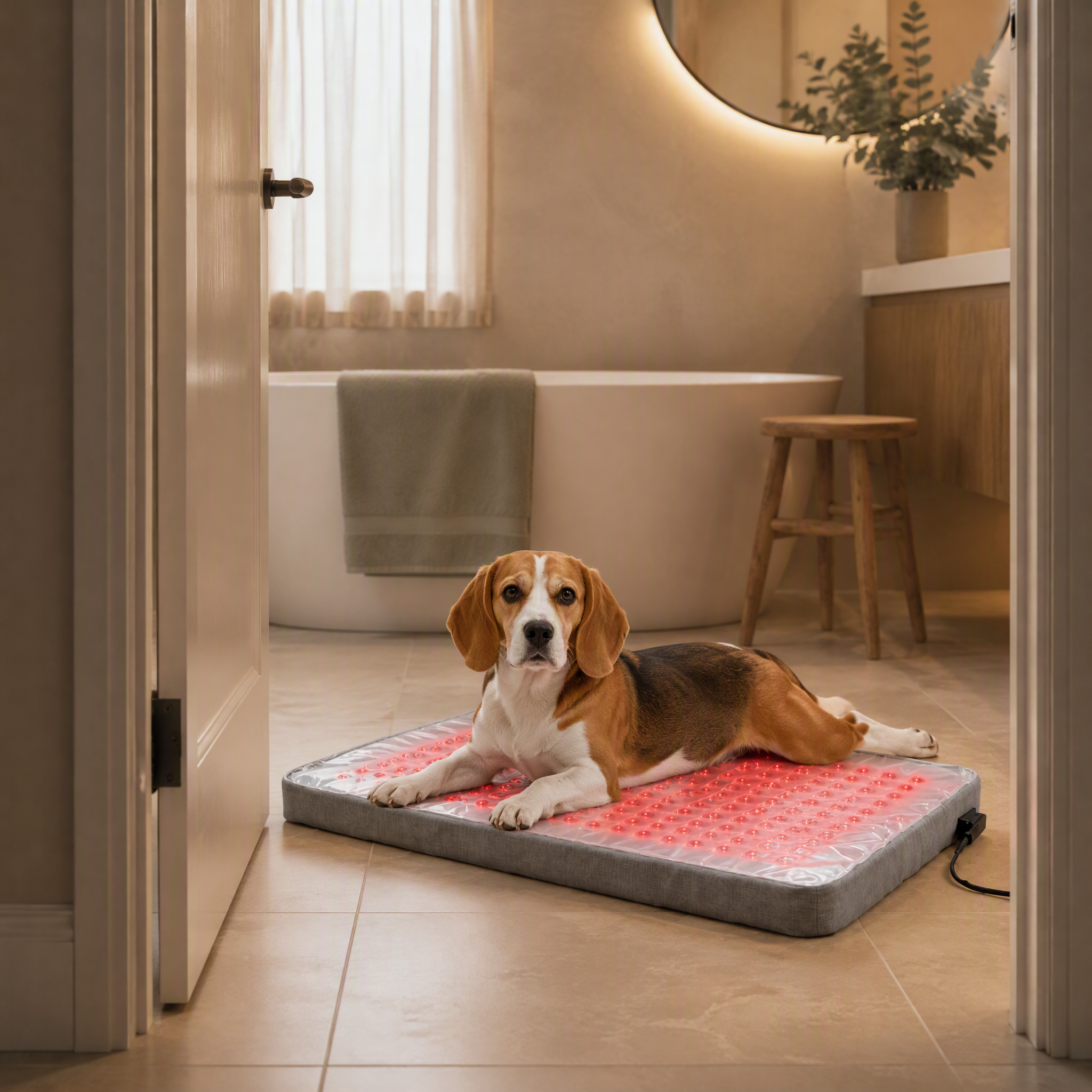
Pet owners increasingly recognize the therapeutic potential of red light devices for their animals, but selecting the right system requires understanding several critical factors. Whether you're considering pet red light therapy for pain relief, wound healing, or overall wellness, making an informed decision ensures your investment delivers genuine benefits for your companion.
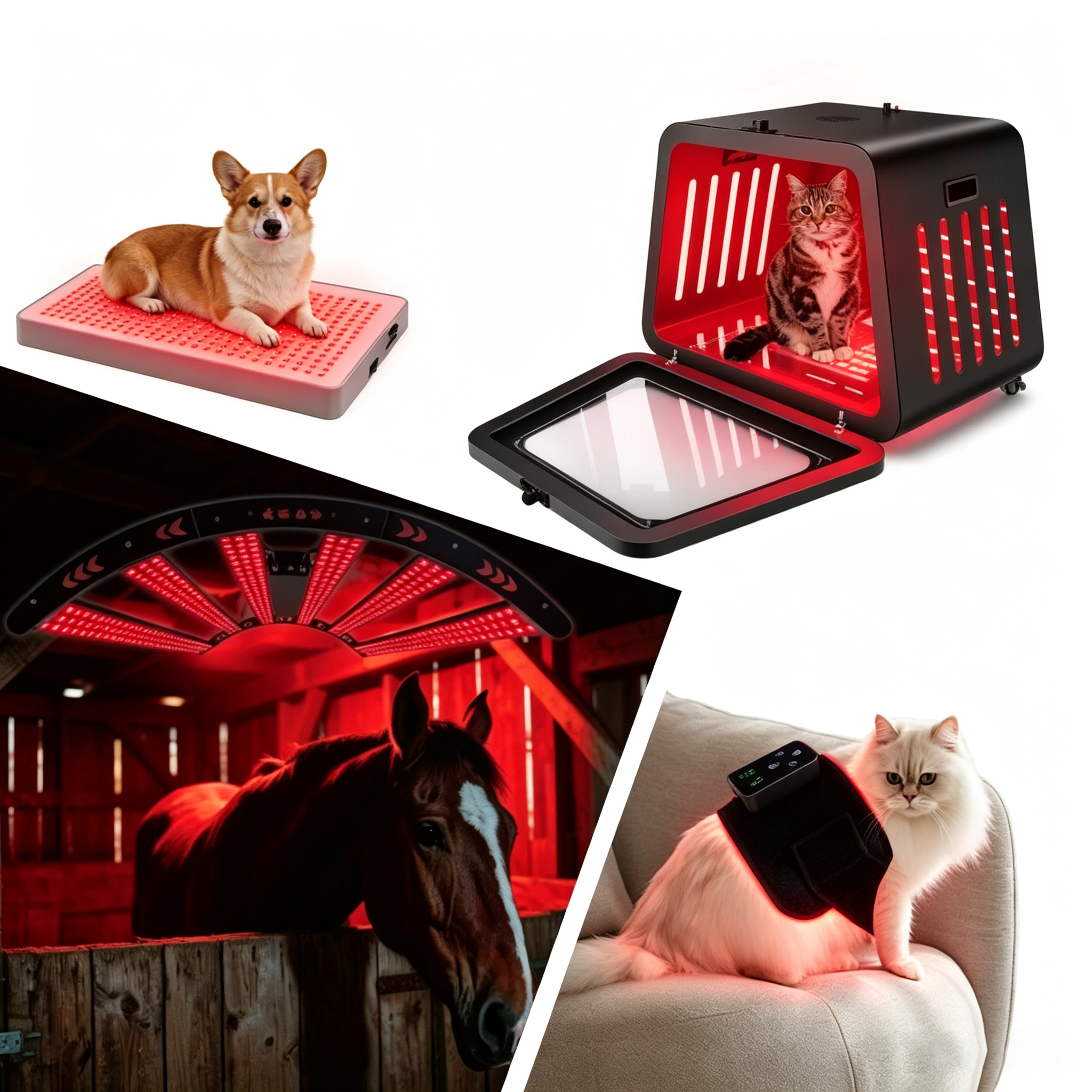
The market now offers diverse red light devices designed specifically for animal care, ranging from simple handheld units to wearable therapy belts and full-body panels. Understanding the characteristics of effective red light therapy for dogs and other pets will help you evaluate device quality, safety, and suitability for your animal's specific needs and lifestyle.
Understanding Red Light Therapy Technology for Pets
How Red Light Healing for Animals Works
Red light healing for animals operates through photobiomodulation, a biological process where specific light wavelengths penetrate tissue and stimulate mitochondrial function. When pet infrared light benefits reach cellular level, they increase ATP production, reduce inflammation, and accelerate tissue repair naturally. This mechanism applies across species, making red light therapy for dogs equally effective for cats, rabbits, and other companion animals with similar physiological responses.
The wavelength range matters significantly; therapeutic devices typically emit between 600 and 1000 nanometers, with most effective pet red light systems concentrating in the 650 to 850 nanometer spectrum. This range penetrates skin and reaches deeper tissues without the heat damage associated with excessive infrared exposure, ensuring safety while maximizing pet infrared light benefits for musculoskeletal concerns and recovery support.
Device Types and Their Applications
Pet owners can choose from several device categories, each suited to different applications and animal sizes. Handheld wands offer portability and targeted treatment for specific areas, while red light therapy belts provide broader coverage for the torso and limbs. Full-panel systems deliver comprehensive whole-body exposure but require larger space and stationary setup, making them ideal for professional facilities or homes with dedicated treatment areas.
Red light healing for animals through wearable options like therapy belts offers convenience for pet owners managing chronic conditions or post-operative recovery. These adjustable designs accommodate various body sizes and allow regular sessions without restraining the pet's movement, supporting consistent treatment protocols that enhance red light therapy for dogs and other animals seeking pain management or enhanced recovery.
Critical Selection Factors for Pet Owners
Power Output and Treatment Efficacy
The device's power output directly influences treatment effectiveness and session duration required to achieve therapeutic results. Higher-quality pet red light systems typically deliver between 50 and 150 milliwatts per square centimeter, ensuring sufficient energy reaches target tissues within reasonable timeframes. Lower-power devices may require longer sessions or frequent applications to deliver pet infrared light benefits, potentially reducing owner compliance and treatment outcomes.
When evaluating power specifications, consider both peak and average output, as some manufacturers highlight peak values that don't reflect actual sustained treatment capacity. Professional-grade red light therapy for dogs and pets often provides manufacturer documentation detailing output consistency, helping you assess whether the device meets clinical thresholds for proven efficacy in animal healing applications.
Safety, Comfort, and Practical Design
Safety represents the paramount consideration when selecting pet red light devices, as animals cannot communicate discomfort or adverse reactions as clearly as humans. Look for devices with built-in safety features including automatic shut-off timers, temperature controls preventing excessive heat, and protective materials ensuring the pet cannot be injured by direct light exposure. Red light healing for animals requires devices that won't frighten stressed or anxious pets, making quiet operation and gradual intensity adjustment valuable design features.
Comfort directly impacts your pet's acceptance and your ability to maintain consistent treatment schedules. Wearable pet infrared light therapy options like adjustable belts must accommodate growing puppies or changing body conditions without restricting movement or blood circulation. Non-invasive designs that don't require sedation or extended restraint allow regular sessions, enabling you to build the consistent pet red light therapy routine necessary for optimal animal wellness outcomes.
Veterinary Endorsement and Evidence
Selecting a device supported by veterinary professionals and clinical evidence provides confidence in its safety and efficacy for red light healing for animals. Research your chosen system's background and seek devices tested in veterinary settings or recommended by recognized animal health practitioners. Red light therapy for dogs with documented effectiveness in managing osteoarthritis, wound recovery, and muscle strain carries stronger credibility than devices lacking professional veterinary validation.
Ask your veterinarian whether your pet's specific condition benefits from red light therapy and which device characteristics align with clinical protocols. This professional guidance ensures your pet infrared light investment targets conditions where evidence demonstrates genuine benefits, optimizing your purchase decision and maximizing the likelihood of therapeutic success for your animal's health journey.
Practical Implementation and Long-Term Considerations
Treatment Protocols and Consistency
Effective pet red light therapy requires establishing consistent treatment schedules aligned with your pet's condition and the device's specifications. Most protocols recommend sessions ranging from 10 to 20 minutes, several times weekly, though individual responses vary based on the specific condition being treated. Understanding the manufacturer's recommended protocol for red light healing for animals helps you determine whether the device fits realistically into your pet's routine and your household schedule.
Your ability to maintain consistency directly influences whether your pet experiences the full benefits of red light therapy for dogs and other animals. Devices that integrate easily into daily routines—such as wearable therapy belts worn during normal activities—support adherence better than systems requiring dedicated treatment sessions. When selecting pet infrared light devices, consider your practical capacity to deliver regular treatment, as intermittent use typically yields minimal results compared to structured, consistent applications.
Cost, Warranty, and Long-Term Value
Pet red light device pricing varies dramatically based on power output, technology sophistication, and build quality. While budget-friendly options exist, investing in professionally designed systems often provides superior durability, consistent performance, and faster achievement of red light therapy benefits for your animal. Consider the total cost of ownership including replacement parts, maintenance requirements, and potential veterinary costs if underperforming devices fail to address your pet's condition adequately.
Warranty coverage indicates manufacturer confidence in red light healing for animals devices and protects your investment against defects. Quality systems typically offer multi-year warranties covering components and performance, while comprehensive guarantees demonstrate the company's commitment to supporting your pet infrared light therapy success. Long-term value emerges when you select durable equipment providing reliable pet red light benefits across years of use, justifying higher upfront investment through reliability and consistent results.
FAQ
Is red light therapy safe for all pet breeds and ages?
Red light therapy for dogs and most pets is generally safe across breeds and ages when applied according to manufacturer guidelines and veterinary recommendations. However, certain conditions require precautions: puppies and kittens may have more sensitive skin requiring shorter initial sessions, while older animals with compromised health should receive veterinary clearance before starting treatment. Always consult your veterinarian about your specific pet's conditions, medications, and suitability for red light healing for animals before beginning therapy.
How long does it take to see results from pet red light therapy?
Results from red light therapy for dogs and other animals typically emerge gradually, with some pets showing improvement within two to three weeks of consistent treatment. More significant benefits in pain reduction, mobility, or wound healing often require four to eight weeks of regular sessions following the recommended protocol. Individual response varies based on the condition's severity, your pet's age, overall health, and consistency of red light therapy application, making patience and adherence to established protocols essential for achieving optimal pet infrared light benefits.
What conditions benefit most from pet red light therapy?
Pet red light devices show strongest evidence for supporting musculoskeletal conditions including osteoarthritis, hip dysplasia, and muscle strain in dogs and other animals. Red light healing for animals also supports post-surgical recovery, soft tissue injuries, and inflammatory conditions affecting joints and ligaments. While emerging research suggests potential benefits for skin conditions and general wellness, discussing your pet's specific situation with your veterinarian helps identify whether red light therapy for dogs applies effectively to your animal's unique health needs and goals.