
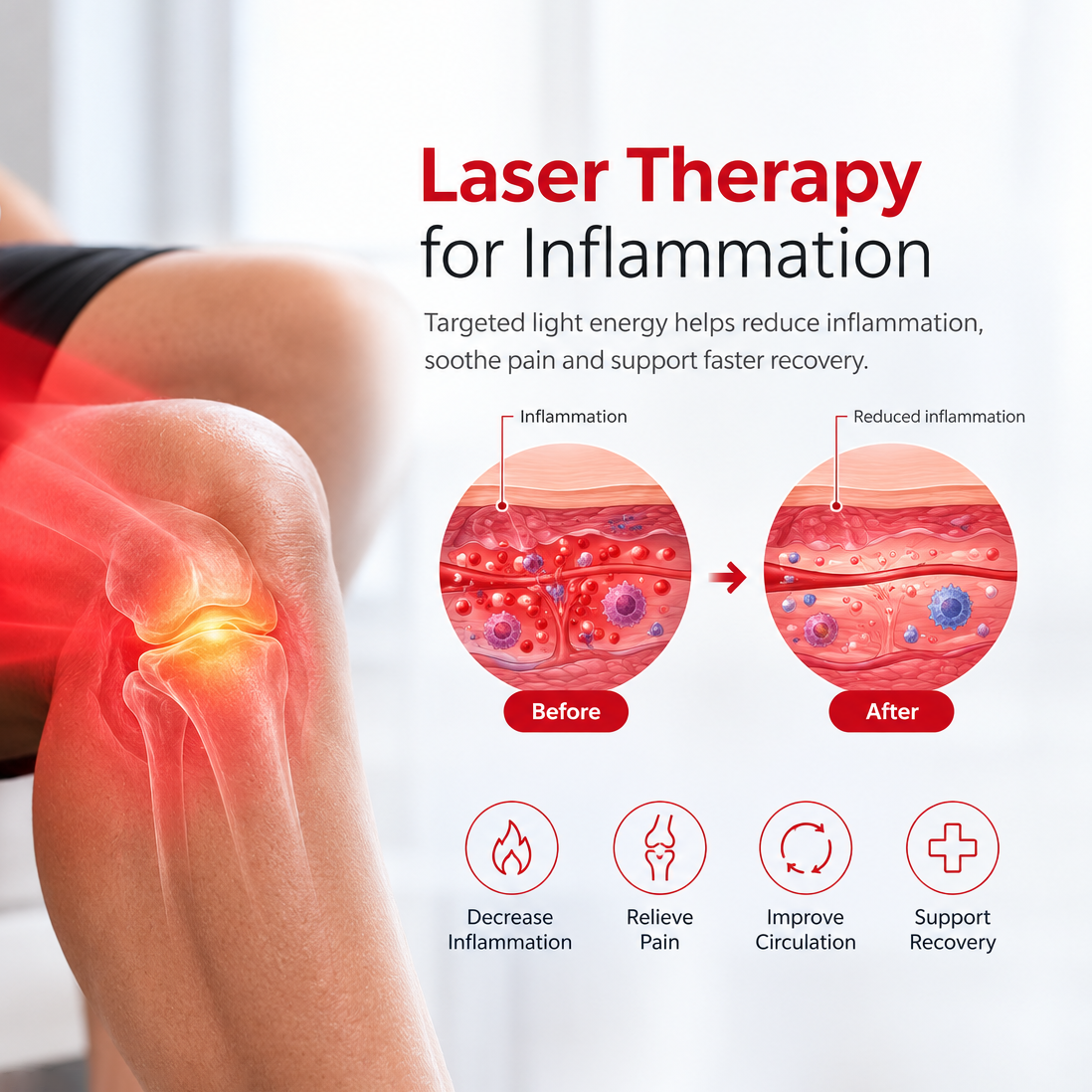
When selecting laser therapy equipment, understanding critical safety features is essential to ensure both patient protection and regulatory compliance. Medical professionals and facility operators must carefully evaluate devices before purchase to avoid operational risks, patient injury, and legal liability. Safety certifications, power output controls, wavelength specifications, and built-in protective mechanisms separate reliable equipment from potentially dangerous alternatives in the healthcare and wellness markets.
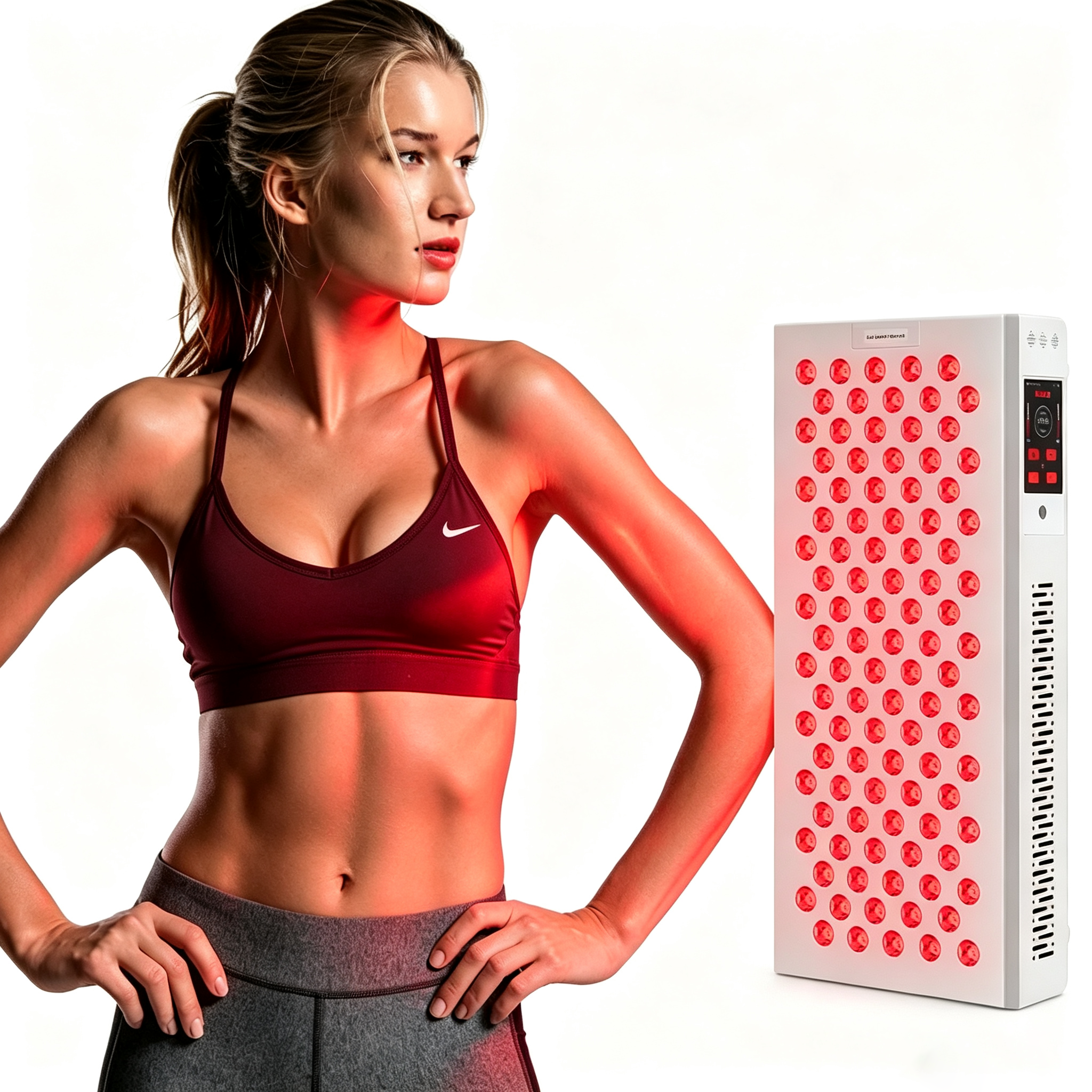
The benefits of low level laser therapy benefits continue to grow in clinical applications, yet manufacturers vary significantly in their safety standards and device construction quality. Buyers must develop a systematic approach to evaluating laser therapy equipment and devices before committing to purchase decisions. This guide covers the key safety features that legitimate manufacturers build into professional-grade systems and how to recognize inadequate or missing protections.
Certifications and Regulatory Compliance Standards
Understanding FDA and International Safety Approvals
Legitimate laser therapy equipment must carry appropriate regulatory certifications from recognized authorities. In the United States, the FDA classifies laser devices into categories based on power output and wavelength, with Class III and Class IV devices requiring more rigorous oversight. Any laser therapy for pain relief system marketed as medical-grade equipment should display FDA clearance documentation or CE marking for European markets. These certifications indicate that the device has undergone safety testing and meets established power output limits, emission specifications, and design standards that prevent accidental overexposure.
International standards like IEC 60601 for medical electrical equipment establish minimum safety requirements across manufacturing regions. Reputable laser therapy equipment and devices manufacturers provide copies of certification documents to customers upon request. Devices lacking these credentials may operate outside safe power parameters or fail to include necessary protective features, creating liability for facilities and clinics using them.
Manufacturer Quality Assurance Programs
Beyond regulatory certifications, examine whether the manufacturer maintains ISO 13485 certification for medical device quality management. This standard ensures that the company follows documented processes for design, production, and quality control. Manufacturers meeting ISO standards typically provide detailed specification sheets, safety manuals, and trained customer support that reinforce proper device operation. Quality assurance programs reduce the risk of defective units reaching the market and demonstrate the manufacturer's commitment to consistent safety standards across all equipment batches.
Power Output Controls and Adjustability Features
Variable Intensity and Pulse Mode Settings
Professional laser therapy devices must offer adjustable power output to accommodate different treatment protocols and patient safety requirements. Systems with fixed maximum power settings may deliver excessive energy to sensitive tissues or small treatment areas, while adjustable intensity allows clinicians to match power levels to specific therapeutic protocols. Pulse mode functionality enables operators to deliver energy in controlled bursts rather than continuous exposure, reducing tissue heating and improving safety during extended treatment sessions. Low level laser therapy benefits depend on proper dosage calibration, making variable intensity controls essential for both efficacy and safety.
Look for devices displaying real-time power output readings on a digital interface so operators can verify actual delivery rates match prescribed settings. Digital displays prevent guesswork and create documentation for patient treatment records. Analog dials without verification mechanisms offer no confirmation that the device is actually delivering the selected power level, creating uncertainty about treatment consistency and safety compliance.
Treatment Duration Timers and Automatic Shutoff
Advanced laser therapy equipment and devices include built-in timers that automatically terminate treatment after a preset duration. Automatic shutoff prevents operator error and protects patients from unintended overexposure during longer treatment sessions. Some systems feature progressive timer displays that countdown remaining treatment time, helping operators manage multiple patients efficiently. Without automatic shutoff mechanisms, devices rely entirely on human monitoring, increasing the risk of accidental extended exposure that could cause tissue damage or patient discomfort.
Wavelength Specifications and Emission Safety
Proper Infrared and Red Light Wavelengths
Therapeutic laser therapy for pain relief typically operates within specific wavelength ranges, typically 600 to 1100 nanometers, where tissue penetration and biological response are optimized. Legitimate devices clearly specify their exact wavelength outputs and provide evidence that emissions match labeled specifications through third-party testing. Devices claiming to use unspecified or variable wavelengths may emit outside therapeutic ranges, reducing efficacy or potentially causing harm through excessive heating or off-spectrum emissions. Professional equipment includes filters and beam shaping optics that ensure consistent wavelength output across the device's operational life.
Verify whether the manufacturer provides spectral analysis documentation confirming wavelength purity and beam coherence. This technical information assures buyers that the laser therapy equipment and devices deliver precisely calibrated emissions suitable for clinical applications. Systems without spectral verification may contain contaminant wavelengths that complicate treatment outcomes or create unexpected biological responses.
Beam Divergence and Spot Size Consistency
Safe laser therapy delivery depends on controlled beam geometry that ensures predictable energy distribution across treatment areas. Devices should specify beam divergence angles and treatment head spot sizes so clinicians understand the energy concentration at different distances from the applicator. Inconsistent beam patterns or poorly defined spot sizes create uncertainty about actual power density reaching patient tissue, potentially causing hot spots that damage skin or underlying structures. Professional-grade systems maintain consistent beam geometry across thousands of treatment hours, while lower-quality devices may develop beam degradation that compromises safety over time.
Eye Safety and Protective Features
Integrated Wavelength-Specific Eye Protection
Laser therapy equipment poses direct eye hazard risks, making integrated protective features non-negotiable for clinical environments. Reputable manufacturers include wavelength-specific eyewear with their systems and clearly mark laser apertures with high-visibility warning labels. Some advanced devices incorporate infrared viewing ports that allow operators to see treatment areas without direct laser exposure, improving both safety and procedural accuracy. Equipment lacking integrated eye protection measures or offering only generic eyewear creates liability and increases accidental exposure incidents in busy clinical settings.
Emergency Stop Mechanisms and Safety Interlocks
Professional laser therapy equipment must include easily accessible emergency stop buttons that immediately halt laser emission regardless of operating mode. Safety interlocks prevent beam emission when treatment heads are removed or when doors to controlled areas are opened. These failsafe mechanisms protect patients, staff, and bystanders from unexpected exposure during equipment maintenance or in emergency situations. Devices without emergency shutoff capability or interlock systems fail to meet minimum safety standards for medical equipment operation.
FAQ
What certifications must laser therapy for pain relief devices display?
Devices must carry FDA 510(k) clearance, CE marking, or equivalent regulatory approval demonstrating compliance with safety standards. These certifications confirm that power outputs, wavelengths, and design features meet established safety thresholds. Manufacturers should provide copies of certification documents upon request as proof of regulatory compliance and safety testing completion.
How can buyers verify actual power output in laser therapy equipment and devices?
Look for systems with digital power displays showing real-time output readings and ask manufacturers for calibration certificates from independent testing laboratories. Many facilities independently verify power output using portable power meters before clinical deployment. Variable intensity controls with digital feedback allow operators to confirm that delivered power matches prescribed treatment parameters.
Why is wavelength specification important for low level laser therapy benefits?
Therapeutic benefits depend on precise wavelengths that penetrate tissue at optimal depths while generating appropriate cellular response. Devices must provide spectral analysis documentation confirming emissions match labeled specifications. Undefined wavelengths reduce treatment predictability and may create unexpected biological responses, making wavelength verification essential for clinical safety and efficacy.