
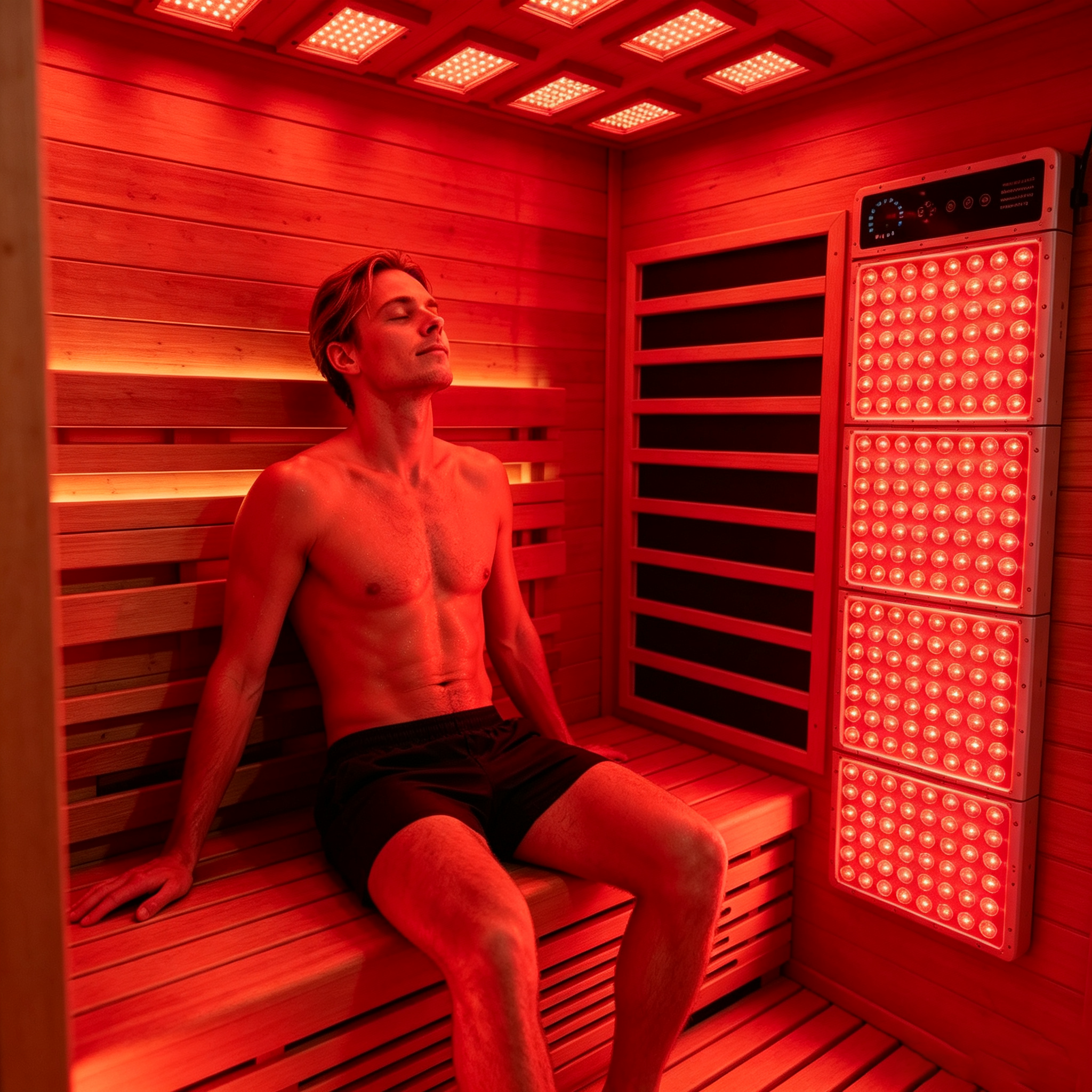
Selecting an infrared sauna blanket requires careful evaluation of built-in safety controls to protect users during sessions. An infrared sauna blanket emits far-infrared wavelengths that penetrate skin tissue, triggering therapeutic responses throughout the body. However, without proper safety mechanisms in place, users face risks including overheating, skin irritation, electromagnetic field exposure, and potential burns. Understanding which safety controls matter most helps buyers make informed decisions and prevents injuries during regular use.
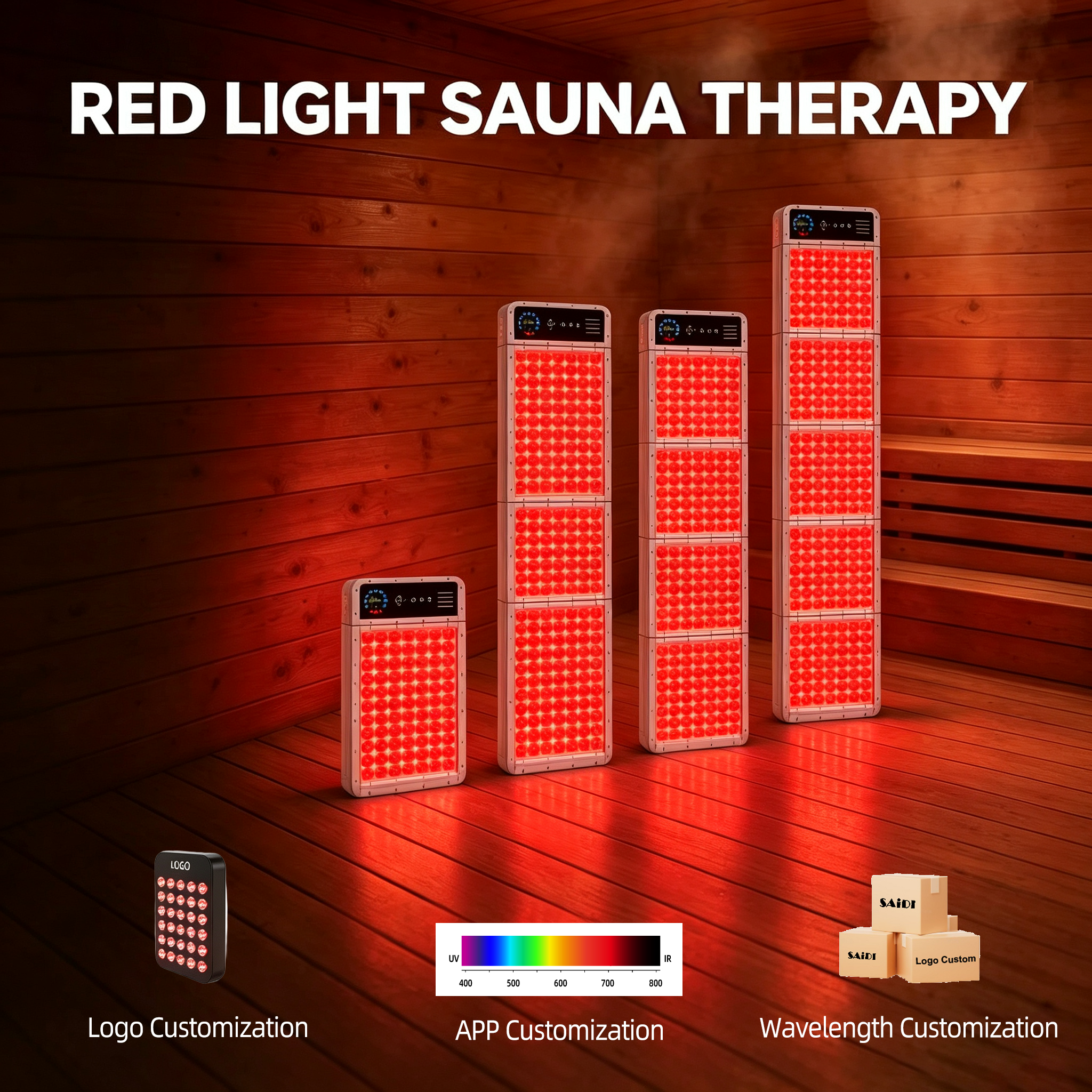
Quality infrared sauna blankets combine multiple safety features designed to maintain consistent thermal output while minimizing health risks. Temperature regulation systems prevent dangerous overheating, while emergency shut-off mechanisms allow immediate session termination if needed. Timer controls ensure sessions don't extend beyond recommended durations, reducing cumulative exposure to infrared radiation. EMF (electromagnetic field) shielding protects users from electrical interference, while certified materials prevent chemical off-gassing. Buyers evaluating infrared sauna health risks and safety should prioritize products with independent testing certifications and transparent technical specifications.
Temperature Control and Overheat Protection
Thermostat Accuracy and Response Time
An accurate thermostat forms the foundation of infrared sauna blanket safety. Quality units maintain temperature within 1–2 degrees Celsius of the user's selected setting, preventing sudden spikes that could cause burns or excessive sweating. Slow response times create dangerous conditions where blankets continue heating even after reaching target temperatures. Fast-responding thermostats detect temperature changes within seconds and adjust heating elements accordingly. Most premium infrared sauna blankets include dual temperature sensors—one inside the blanket and one external—to cross-reference readings and prevent false safety signals.
Automatic Shutoff at Maximum Temperature
Safety-certified infrared sauna blankets include failsafe shutoff systems that activate when internal temperatures exceed safe operating limits. These automatic cutoff mechanisms typically engage around 60–65 degrees Celsius (140–150 degrees Fahrenheit), preventing runaway heating scenarios. Unlike manual controls that depend on user attentiveness, automatic shutoff systems work continuously without user intervention. This feature proves especially valuable during extended sessions or if users doze off during infrared sauna therapy. Regular testing of the automatic shutoff function ensures this critical safety device remains operational.
Infrared Sauna Benefits for Detoxification and Session Safety
Timed Session Limits and User Controls
Built-in timers prevent excessive infrared sauna exposure by automatically ending sessions at predetermined intervals. Beginners benefit from shorter default settings—typically 15–20 minutes—that minimize infrared sauna health risks while users acclimate to therapy. Experienced users can extend session duration within manufacturer-recommended ranges, usually capped at 30–40 minutes per session. Timer features prevent accidental overexposure and help users track cumulative weekly therapy time. Sessions longer than recommended reduce infrared sauna benefits for detoxification while increasing sweating volume, electrolyte loss, and dehydration risk. Adjustable timers allow customization based on user experience level and individual tolerance.
Progressive Heating Ramp and Cooldown Cycles
Premium infrared sauna blankets feature gradual heating ramps that bring the device to target temperature over 5–10 minutes rather than instantly. This controlled heating approach lets the body acclimate gradually, reducing thermal shock and improving comfort. Progressive heating also extends equipment lifespan by minimizing stress on heating elements during startup. Cooldown cycles at session end help users transition safely from elevated core temperatures to baseline body temperature. These cycles reduce dizziness, nausea, and cardiovascular strain that sometimes follow abrupt temperature changes. Together, ramp and cooldown features create safer, more comfortable infrared sauna experiences while maximizing infrared sauna benefits for detoxification.
Material Safety and EMF Protection
Low-EMF Technology and Shielding Standards
Electromagnetic field (EMF) exposure represents a significant infrared sauna health risk that quality blankets address through shielding technology. Premium units use faraday cage construction or grounded metal mesh layers that contain electromagnetic radiation from heating elements and power circuits. Low-EMF infrared sauna blankets measure under 2 milligauss at the blanket surface during operation, well below international safety guidelines. Third-party EMF testing certifications provide independent verification that blankets deliver genuine low-EMF performance. Users sensitive to electromagnetic exposure should prioritize blankets with recognized EMF safety certifications and ask manufacturers for test reports before purchase.
Non-Toxic Material Certification and Off-Gassing Prevention
Material composition directly impacts infrared sauna health risks, particularly when heat activates chemical off-gassing from low-quality plastics, adhesives, or flame retardants. Safety-certified infrared sauna blankets use medical-grade materials that withstand repeated heating cycles without releasing volatile organic compounds (VOCs). Hypoallergenic outer covers protect sensitive skin, while non-toxic padding insulates users from direct contact with heating elements. Look for blankets certified by relevant health standards in your region, confirming that all materials have undergone rigorous safety testing. Premium blankets often include silicone or mineral-based heating elements rather than carbon fiber, further reducing off-gassing risk. When evaluating infrared sauna vs traditional sauna options, material safety becomes particularly relevant since traditional saunas use proven wood construction while new infrared technologies carry inherent unknowns about novel materials.
FAQ
What temperature settings are safest for beginners using infrared sauna blankets?
Beginners should start with temperatures between 38–43 degrees Celsius (100–110 degrees Fahrenheit) for sessions lasting 15–20 minutes. As tolerance develops over 2–3 weeks of regular use, gradually increase temperature by 2–3 degrees per session. Monitoring heart rate, hydration levels, and personal comfort guides appropriate progression. Users with cardiovascular conditions, pregnancy, or heat sensitivity should consult healthcare providers before using infrared sauna blankets and may require lower starting temperatures. Never exceed manufacturer-recommended maximum temperatures, regardless of experience level.
How do infrared sauna benefits for detoxification compare to traditional sauna benefits?
Infrared saunas penetrate deeper into skin tissue, theoretically enhancing toxin mobilization in subcutaneous layers compared to traditional saunas that primarily heat surface skin. Infrared sauna vs traditional sauna research shows both modalities increase sweat production and promote similar detoxification pathways. However, infrared sauna blankets operate at lower ambient temperatures (40–65 degrees Celsius versus 80–100 degrees Celsius for traditional saunas), making them more tolerable for heat-sensitive individuals. Infrared delivery systems consume less energy and require no special installation, offering greater accessibility than building traditional sauna facilities. The choice between modalities depends on personal preference, available space, and individual heat tolerance.
What infrared sauna health risks and safety concerns require medical clearance before use?
Users with acute fever, recent heart attacks, uncontrolled high blood pressure, or pacemakers should avoid infrared sauna blankets without physician approval. Pregnancy, certain medications affecting thermoregulation, and severe dehydration represent additional contraindications requiring medical consultation. Metal implants may interact unpredictably with infrared heat, though modern implants typically tolerate gentle warming. People taking blood-thinning medications might experience increased bruising from infrared heat exposure. Consulting healthcare providers before starting infrared sauna therapy ensures individual health status doesn't create unexpected risks. Always disclose existing health conditions and current medications when seeking medical guidance about infrared sauna use.