
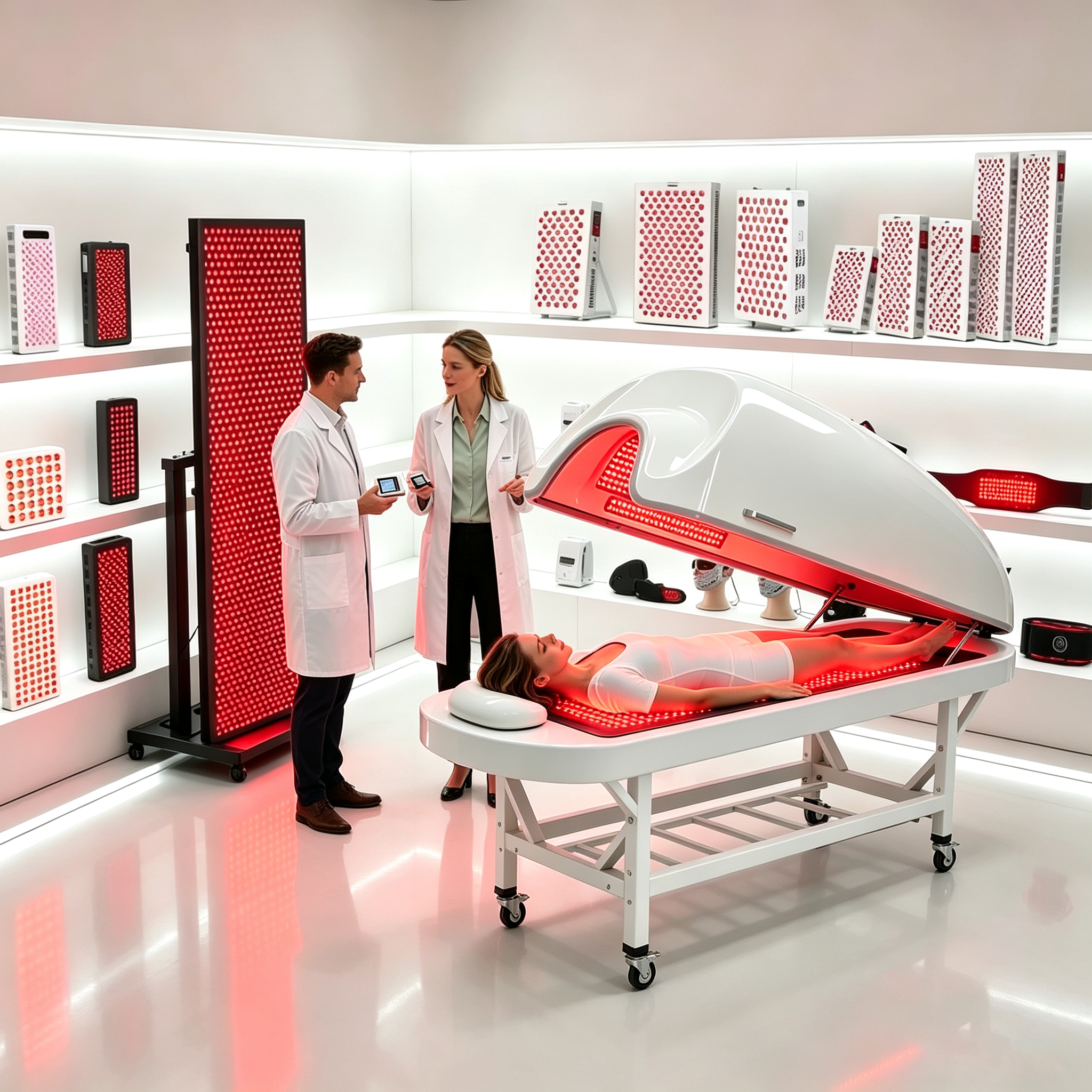
Medical red light technology has emerged as a powerful therapeutic tool in modern healthcare, offering non-invasive solutions for tissue healing and cellular regeneration. This sophisticated approach leverages specific light wavelengths to stimulate biological processes at the cellular level, making it increasingly popular across medical, sports medicine, and wellness facilities worldwide. Understanding what medical red light technology is and where it finds practical application requires insight into both the science and real-world implementation of this innovative treatment modality.
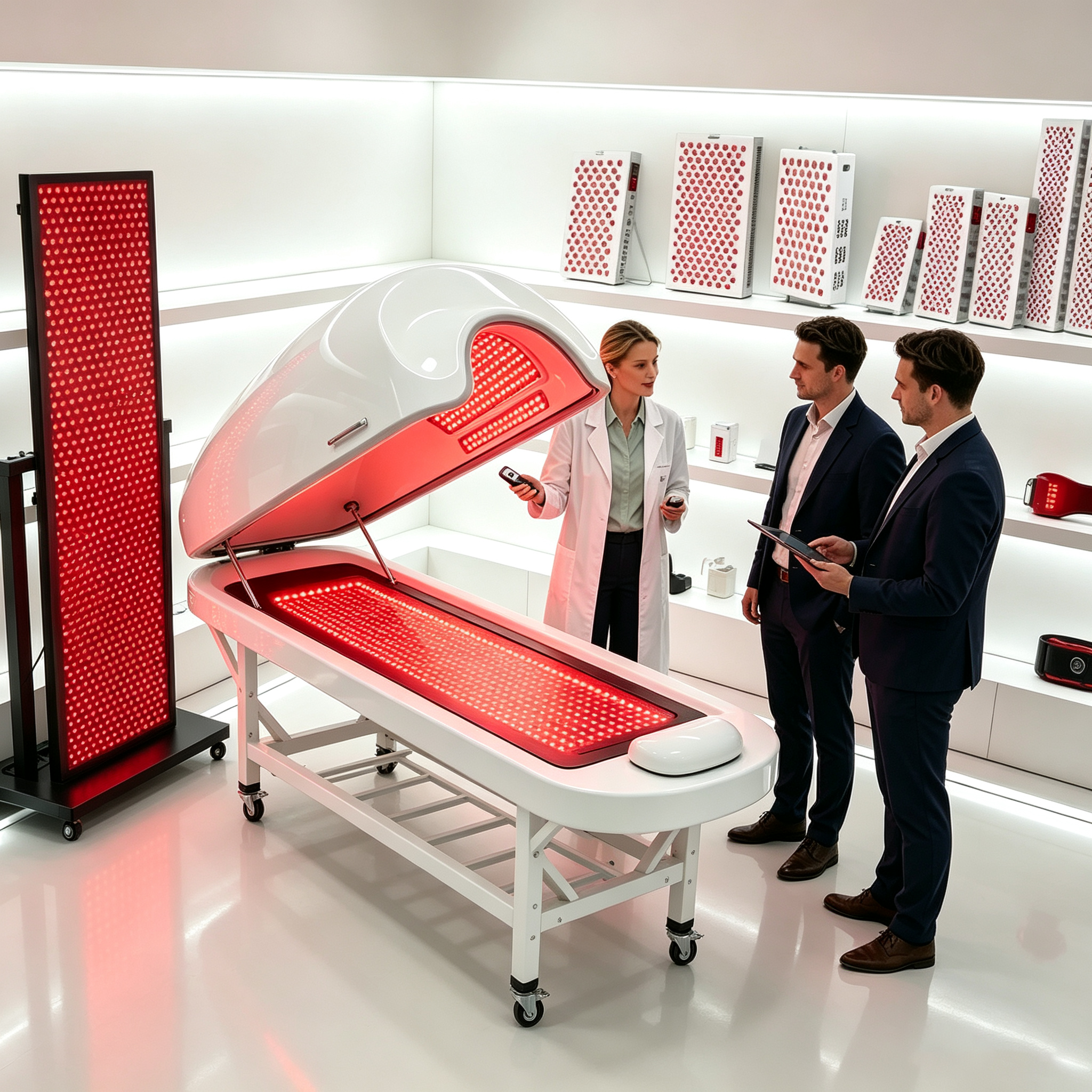
The foundation of medical red light technology lies in its ability to deliver red light therapy wavelength and infrared light healing benefits through carefully calibrated light-emitting devices. These systems operate within the visible red and near-infrared spectrum, typically ranging from 600 to 1100 nanometers, where cellular absorption is optimal. The therapeutic mechanism involves photobiomodulation treatment, which triggers a cascade of cellular responses that enhance mitochondrial function and promote natural healing processes throughout the body.
Understanding Red Light Technology and Photobiomodulation
The Science Behind Red Light Therapy Wavelength
Red light therapy wavelength operates within specific ranges that maximize cellular penetration and biological effectiveness. The most researched therapeutic windows include the 600–700 nanometer range for visible red light and the 700–1100 nanometer range for near-infrared light. These wavelengths penetrate skin and tissue effectively without causing damage, reaching mitochondria where they interact with cytochrome c oxidase in the electron transport chain. This interaction energizes adenosine triphosphate (ATP) production, the primary energy currency of cells, which amplifies cellular repair capacity and tissue recovery.
How Photobiomodulation Treatment Works
Photobiomodulation treatment represents the fundamental mechanism through which medical red light delivers therapeutic benefits. When tissues absorb red and infrared light, a photochemical cascade initiates increased ATP synthesis, enhanced blood flow, and reduced oxidative stress. This process activates specialized proteins within cellular mitochondria, triggering signaling pathways that promote anti-inflammatory responses and accelerate tissue regeneration. The cumulative effect creates an optimal biological environment for natural healing without introducing foreign substances or invasive procedures.
Clinical and Medical Applications of Medical Red Light
Orthopedic and Sports Medicine Uses
Orthopedic clinics and sports medicine facilities represent leading environments where medical red light therapy wavelength treatments have become standard practice. Physical therapists utilize infrared light healing benefits to accelerate recovery from muscle strains, ligament injuries, and tendon inflammation. Athletes and active individuals benefit from photobiomodulation treatment protocols that reduce pain, minimize swelling, and support faster return to activity. These applications prove particularly valuable in professional sports settings where recovery time directly impacts performance and competitive advantage.
Dermatological and Aesthetic Medicine Applications
Dermatology practices increasingly integrate medical red light technology into treatment protocols for aging skin, acne, rosacea, and wound healing. The red light therapy wavelength stimulates collagen and elastin production while reducing bacterial colonization in acne-prone tissue. Aesthetic medicine providers utilize photobiomodulation treatment to enhance skin texture, diminish fine lines, and promote post-procedure healing after more invasive treatments. The non-invasive nature of infrared light healing benefits makes these applications attractive to patients seeking effective alternatives to surgical interventions.
Medical and Wellness Facility Integration
Hospital and Rehabilitation Centers
Major medical institutions and rehabilitation centers have adopted medical red light technology as part of comprehensive treatment protocols for post-operative recovery, chronic pain management, and wound care optimization. Hospital-based photobiomodulation treatment units provide standardized therapy sessions that integrate seamlessly into established medical workflows. These facilities leverage red light therapy wavelength to reduce complications, shorten hospitalization duration, and improve patient outcomes across multiple departments including cardiology, neurology, and general surgery.
Veterinary and Animal Health Applications
Veterinary medicine represents an expanding field for infrared light healing benefits and photobiomodulation treatment applications. Equine clinics use red light therapy wavelength to treat soft tissue injuries, promote bone healing, and manage chronic lameness in performance horses. Small animal veterinarians utilize medical red light devices to support post-surgical recovery and manage osteoarthritis in aging pets. The non-invasive and side-effect-free nature of these treatments makes them particularly valuable in veterinary contexts where oral medications may complicate existing health conditions.
FAQ
What specific red light therapy wavelength provides the most therapeutic benefit?
The most effective therapeutic windows for photobiomodulation treatment are the 630–700 nanometer range for visible red light and the 800–1000 nanometer range for near-infrared wavelengths. Different tissues respond optimally to different portions of the spectrum, with infrared light healing benefits penetrating deeper than visible red light. Clinical research demonstrates that combining both red and infrared light therapy wavelength in a single treatment session maximizes cellular penetration and therapeutic outcomes across various tissue types.
How does medical red light differ from other light-based therapies?
Medical red light technology differs fundamentally from ultraviolet (UV) and blue light therapies in its mechanism and biological safety profile. While UV light is primarily germicidal and blue light affects circadian rhythms, red light therapy wavelength operates through photobiomodulation treatment to enhance cellular energy production. Infrared light healing benefits work at the mitochondrial level without causing DNA damage or systemic side effects. This distinction makes medical red light the preferred choice for prolonged therapeutic use in clinical and wellness settings.
Where can patients access medical red light therapy treatment?
Patients can access photobiomodulation treatment through diverse healthcare settings including physical therapy clinics, sports medicine practices, dermatology offices, wellness centers, and comprehensive rehabilitation facilities. Many hospitals now offer red light therapy wavelength as part of post-operative care protocols. Some primary care physicians have integrated infrared light healing benefits into their treatment arsenals for managing chronic pain and promoting tissue recovery. Home-based medical red light devices are also available for patients seeking convenient ongoing therapy under professional guidance.