
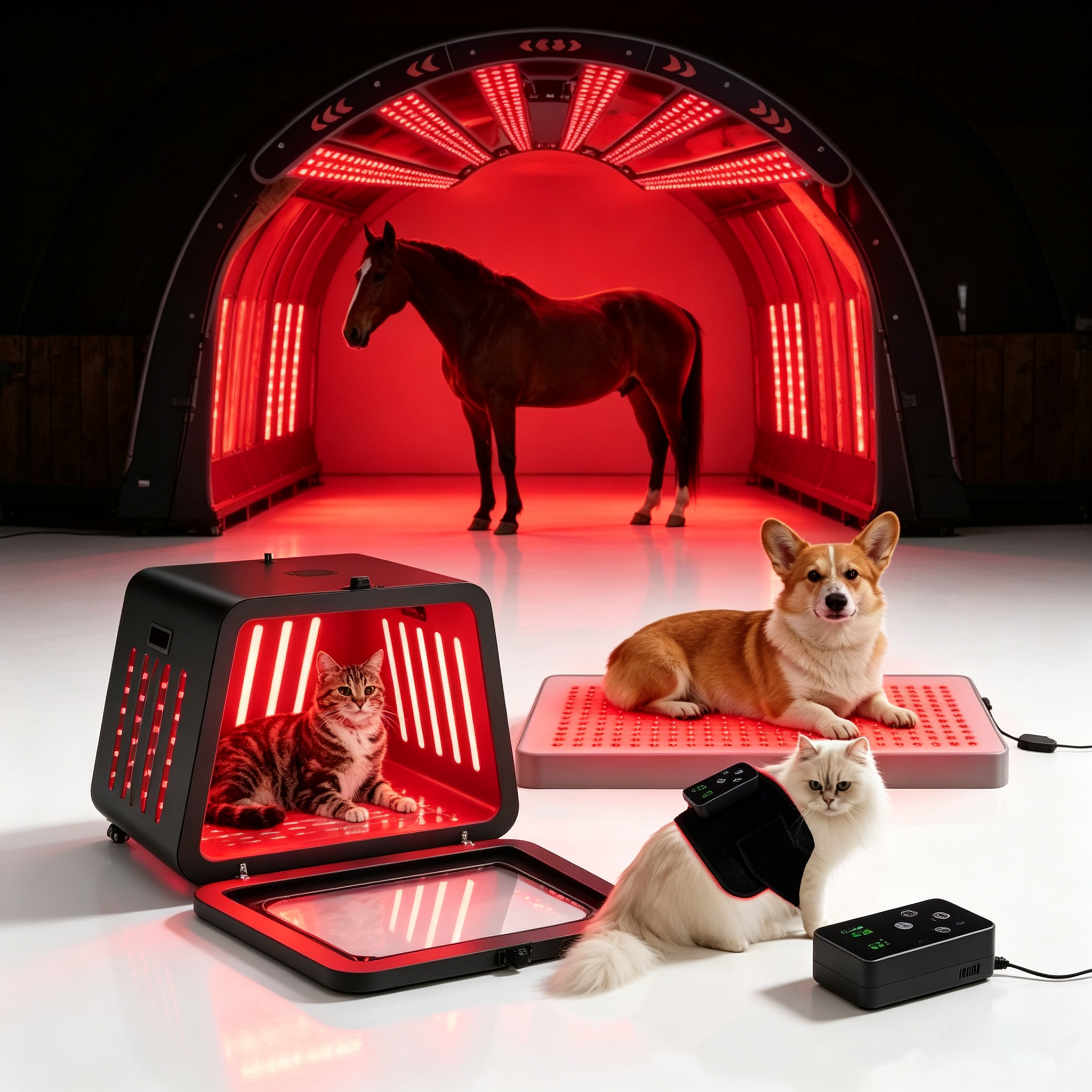
Veterinary clinics increasingly recognize the therapeutic value of light-based treatments for animal patients. Understanding which features matter most in pet red light devices is essential for clinicians selecting equipment that delivers measurable therapeutic outcomes. The choice between devices impacts treatment efficacy, patient compliance, and clinic workflow efficiency.
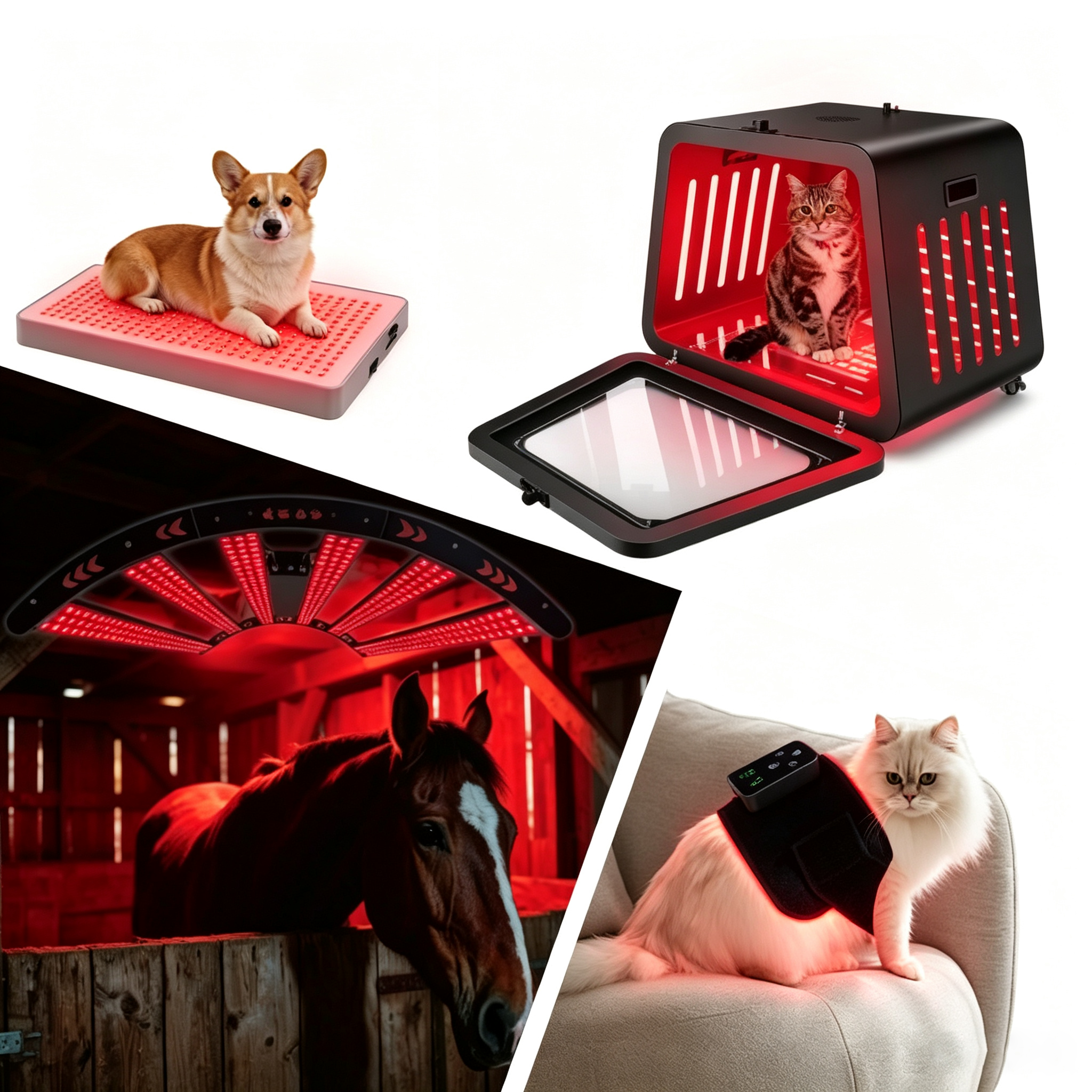
When evaluating red light therapy devices for veterinary practice, practitioners must assess wavelength specifications, power output, treatment area coverage, and application flexibility. These features directly influence whether the equipment can address conditions ranging from acute injuries to chronic pain management in small animal and large animal settings.
Wavelength and Light Spectrum Specifications
Core Wavelength Ranges for Veterinary Applications
Effective red light therapy for dogs requires precise wavelength targeting within the therapeutic window, typically between 600 and 1000 nanometers. The 650-nanometer red spectrum and 800-900 nanometer near-infrared range penetrate tissue depths sufficient for musculoskeletal conditions, wound healing, and inflammation reduction. Clinics treating equine patients often benefit from devices offering dual-wavelength capabilities, allowing therapists to select optimal frequencies based on tissue depth and condition severity.
The infrared light pet wound healing properties depend heavily on whether devices emit true therapeutic wavelengths rather than ineffective frequencies outside the biological action spectrum. Lower-quality devices may claim therapeutic benefits while emitting wavelengths that provide minimal photobiological effect. Veterinary practitioners should prioritize manufacturers providing peer-reviewed wavelength data and independent light spectrum verification.
Multi-Wavelength Advantages
Devices combining red and near-infrared wavelengths offer superior versatility for diverse veterinary applications. Red light therapy benefits for cats include surface-level wound care and dermatological conditions, while near-infrared penetration addresses deeper joint inflammation and muscle injuries. Mixed-wavelength systems enable clinicians to customize treatment protocols without purchasing multiple devices, improving clinic efficiency and reducing capital equipment costs.
Power Output and Treatment Intensity Control
Understanding Irradiance Levels
Power output measured in watts per square centimeter directly correlates with treatment depth and speed in red light therapy for dogs and feline patients. Devices delivering 50 to 200 milliwatts per square centimeter fall within clinically validated ranges for most acute and chronic conditions. Lower irradiance requires extended treatment sessions, while excessively high intensities risk thermal damage to sensitive tissues, particularly around eyes and sensitive organs.
The infrared light pet wound healing capability expands significantly with adjustable power settings. Veterinary clinics treating postoperative recovery benefit from graduated intensity protocols starting at lower power levels and progressing as tissue adaptation occurs. Devices with dimming or pulse modulation features allow practitioners to customize treatment intensity based on animal species, coat color, tissue type, and individual patient tolerance.
Coverage Area and Treatment Flexibility
Effective red light therapy benefits for cats and dogs depend partly on whether the device covers treatment areas completely without multiple repositioning sessions. Larger treatment panels reduce application time for extensive injuries while smaller focused applicators provide precision targeting for localized conditions. Clinics handling diverse patient sizes, from toy breeds to large equines, require devices with flexible delivery mechanisms or modular designs accommodating various anatomical regions.
Durability, Safety Features, and Clinic Integration
Construction Quality and Reliability
Veterinary equipment must withstand frequent use, easy sanitation, and potential exposure to moisture and animal contact. Durable construction materials, sealed electrical components, and reliable LED arrays ensure consistent performance across thousands of treatment sessions. Pet red light devices with medical-grade components and extended warranty coverage reduce downtime and replacement costs, supporting continuous clinic operations.
Heat management represents another critical durability factor, particularly for red light therapy for dogs and other companion animals requiring multiple treatments weekly. Passive cooling through aluminum heat sinks or active cooling systems prevent thermal degradation of LED components, extending device lifespan and maintaining consistent light output over years of clinical use.
Safety, Ease of Use, and Workflow Features
Advanced safety features protect veterinary staff and animal patients from accidental overexposure. Automatic shutoff timers, integrated safety interlocks, and emergency stop functions prevent treatment duration errors that might compromise infrared light pet wound healing effectiveness or cause unintended thermal effects. User-friendly interfaces with programmable treatment protocols streamline clinical workflows, allowing staff to apply consistent evidence-based treatment regimens without constant practitioner supervision.
Remote operation capabilities and treatment tracking software enhance clinic efficiency, particularly in facilities managing multiple patients simultaneously. Devices integrating with existing practice management systems facilitate treatment record documentation, enabling clinicians to monitor red light therapy benefits for cats and dogs longitudinally and adjust protocols based on documented outcomes. Portable or wall-mounted options provide flexibility across multiple treatment rooms and species-specific stations.
FAQ
What wavelengths work best for red light therapy in veterinary settings?
The most effective ranges for pet red light therapy span 650 nanometers for red wavelengths and 800-900 nanometers for near-infrared, as these penetrate tissue adequately while remaining within the photobiological action spectrum. Veterinary clinics treating diverse conditions benefit from dual-wavelength capability, enabling customized treatment selection based on condition depth and tissue type. Always verify manufacturer wavelength specifications against independent light spectrum analysis.
How does red light therapy for dogs compare to traditional pain management approaches?
Red light therapy for dogs offers non-invasive, drug-free pain management without systemic side effects associated with prolonged medication use. Infrared light pet wound healing accelerates tissue repair while simultaneously reducing inflammation, making it suitable for postoperative recovery, chronic arthritis, and acute injuries. Many clinics integrate red light therapy benefits for cats and dogs as complementary treatment alongside conventional medicine, optimizing recovery outcomes.
What clinic features should determine device selection?
Clinic selection criteria include treatment area size, patient volume, available space, staff training capacity, and budget constraints. Larger clinics handling diverse species benefit from modular systems covering multiple body areas, while smaller practices may prioritize portable or focused-application devices. Durability ratings, warranty coverage, and manufacturer support influence long-term value, making these practical considerations alongside therapeutic specifications.