Infrared Laser Therapy: Benefits and Uses

infrared laser therapy

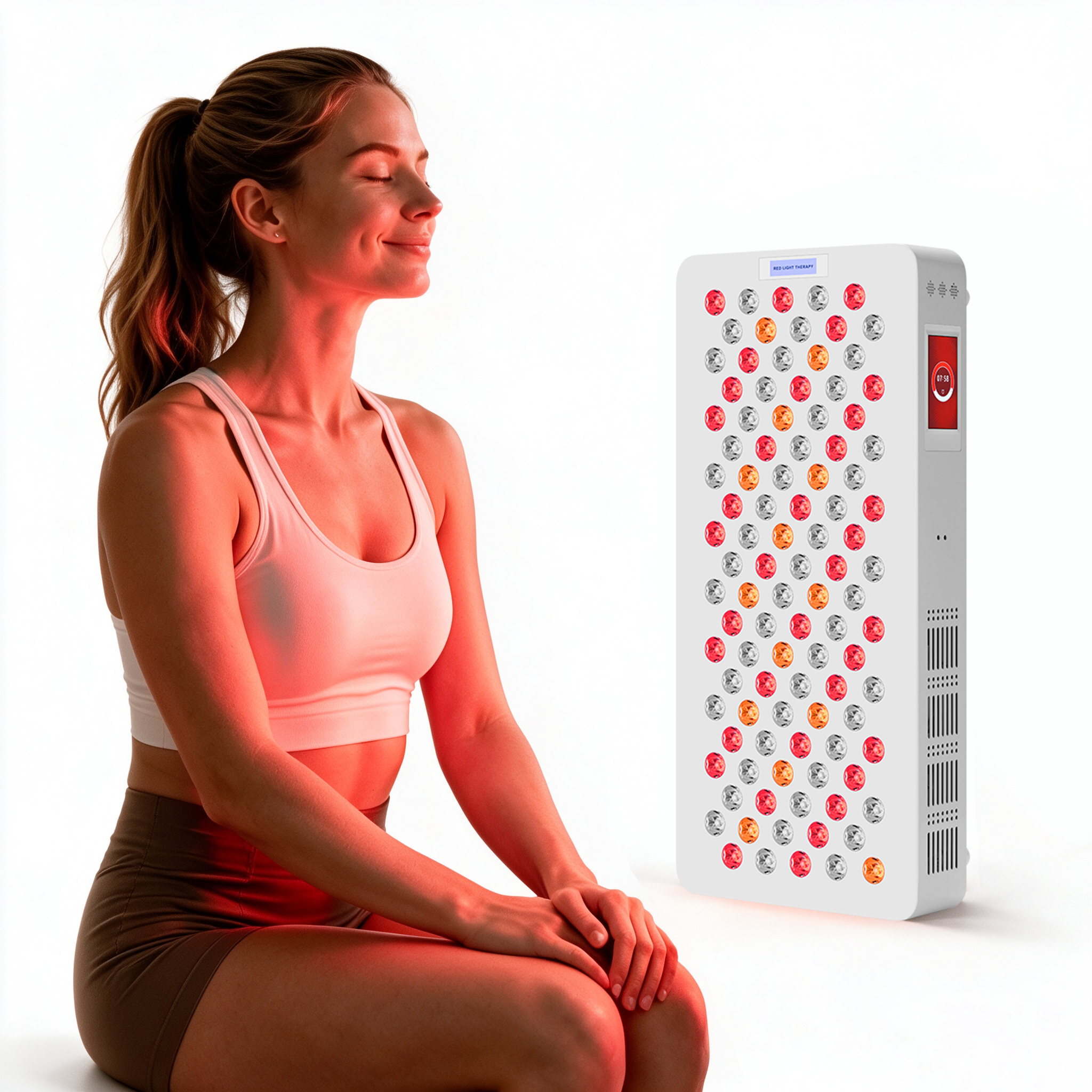
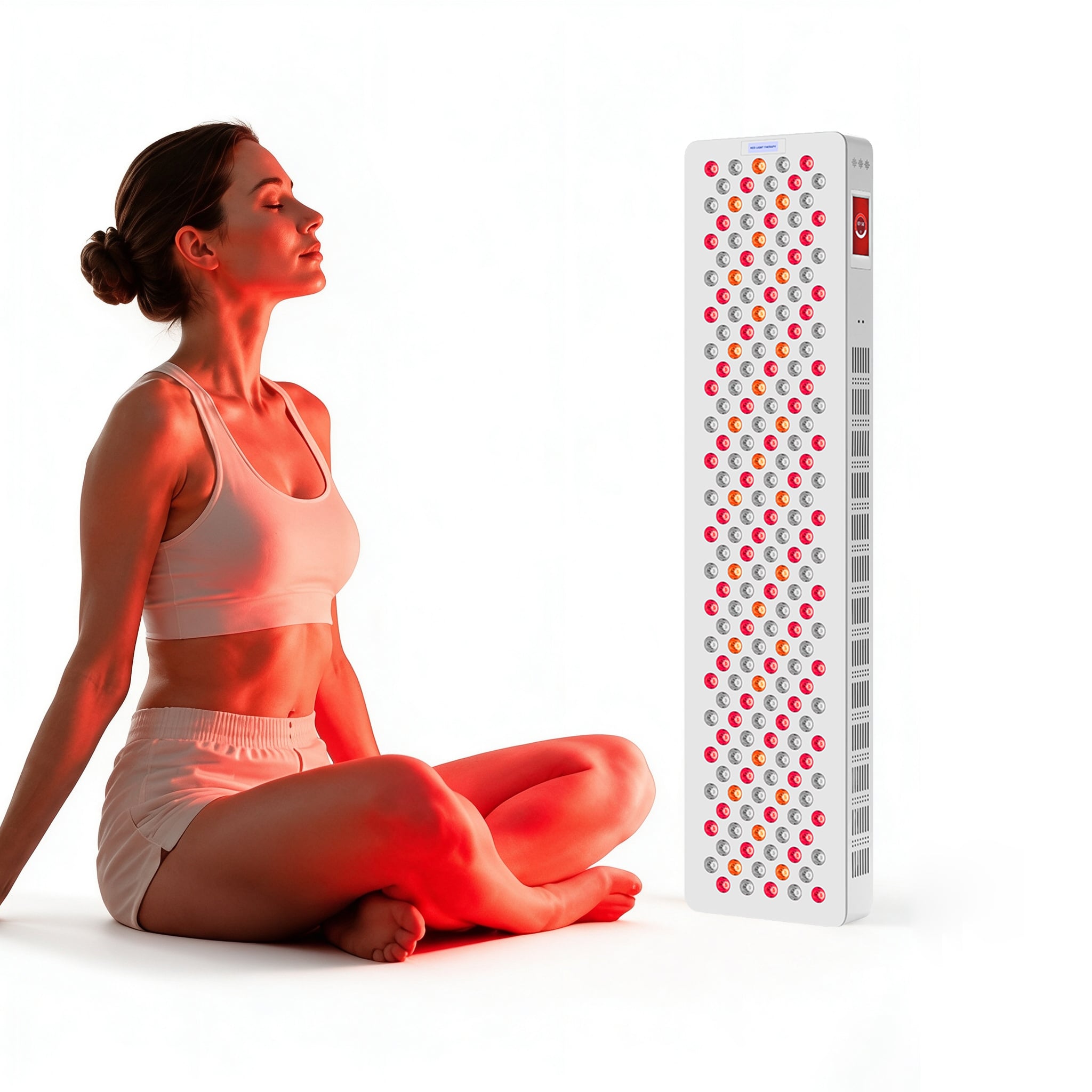
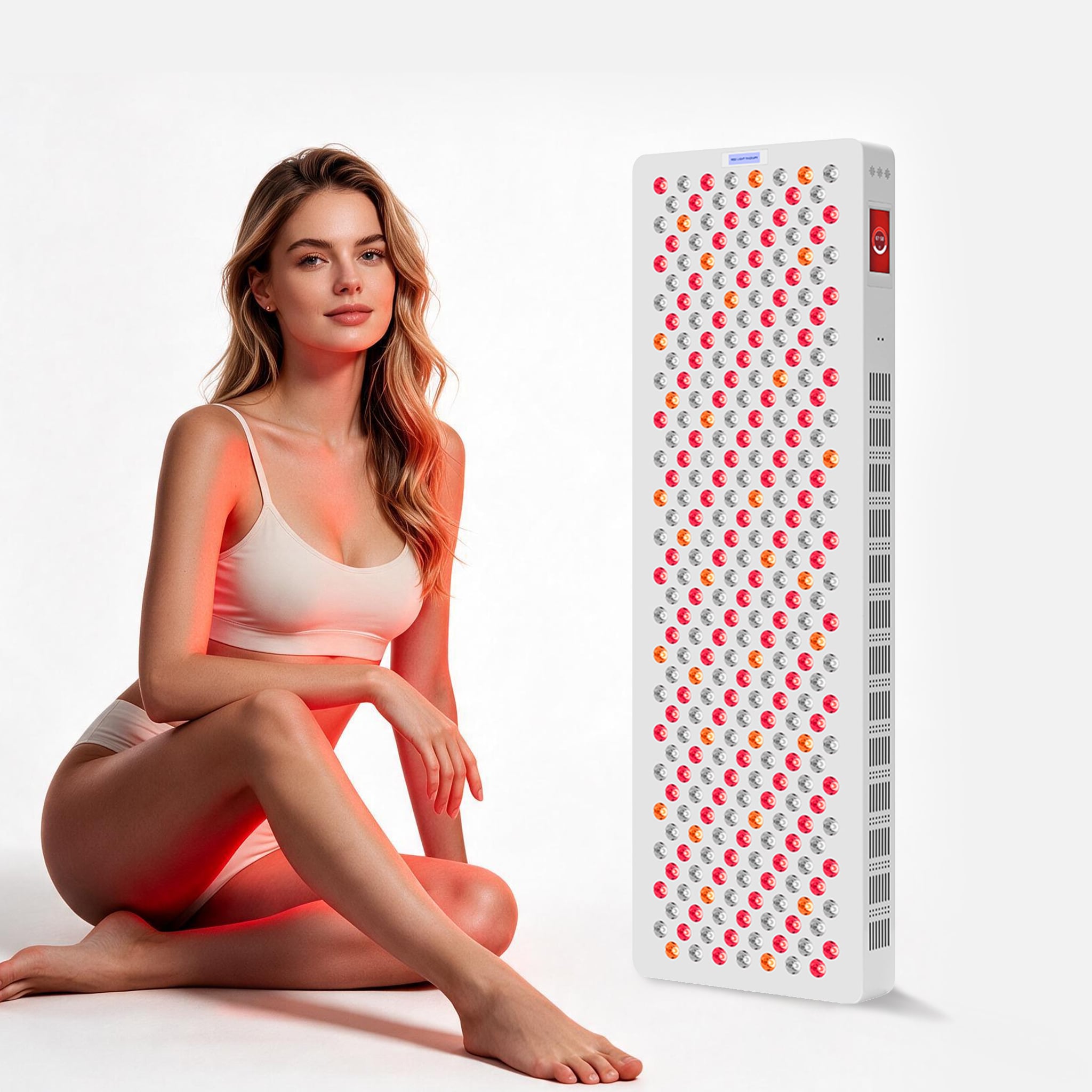
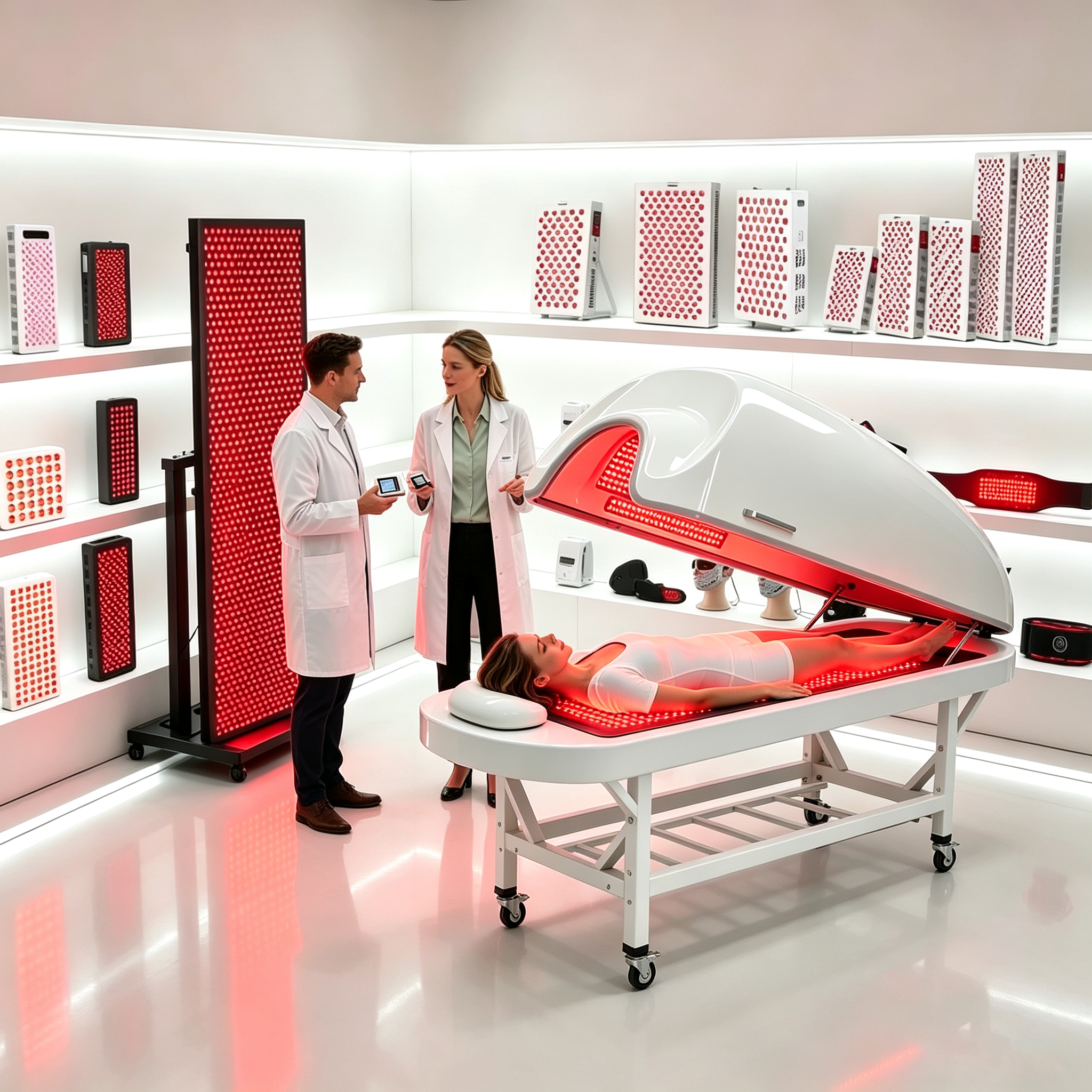
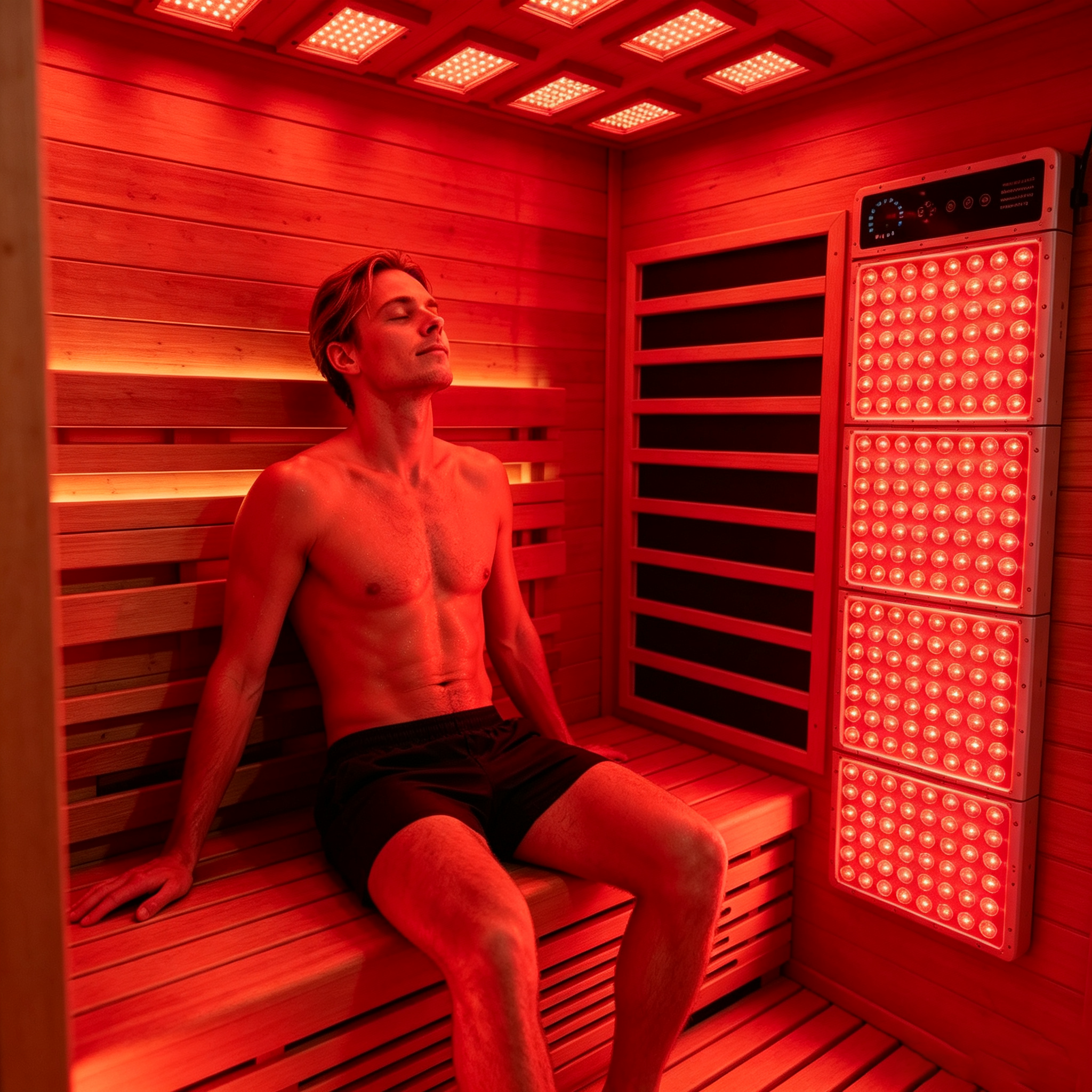
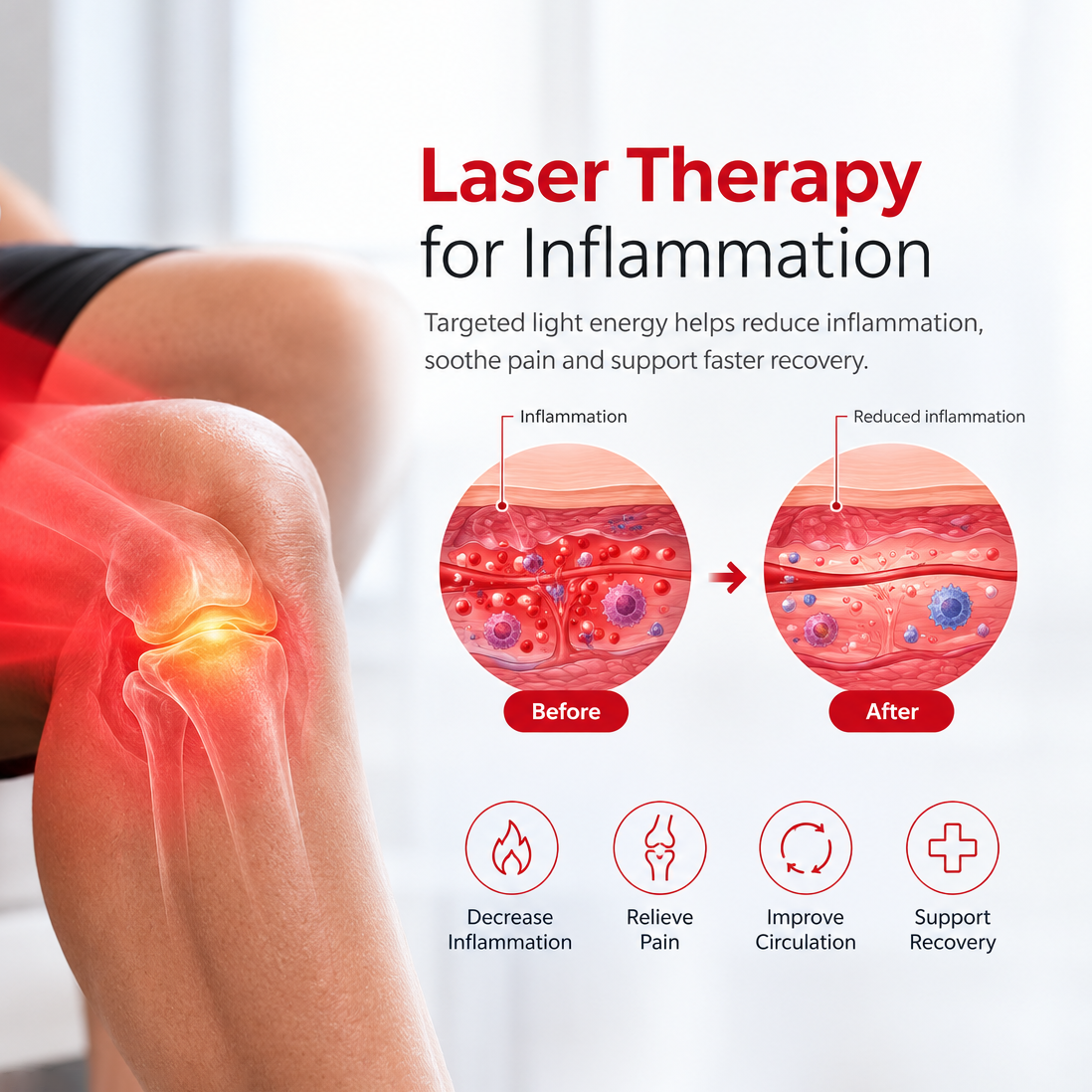
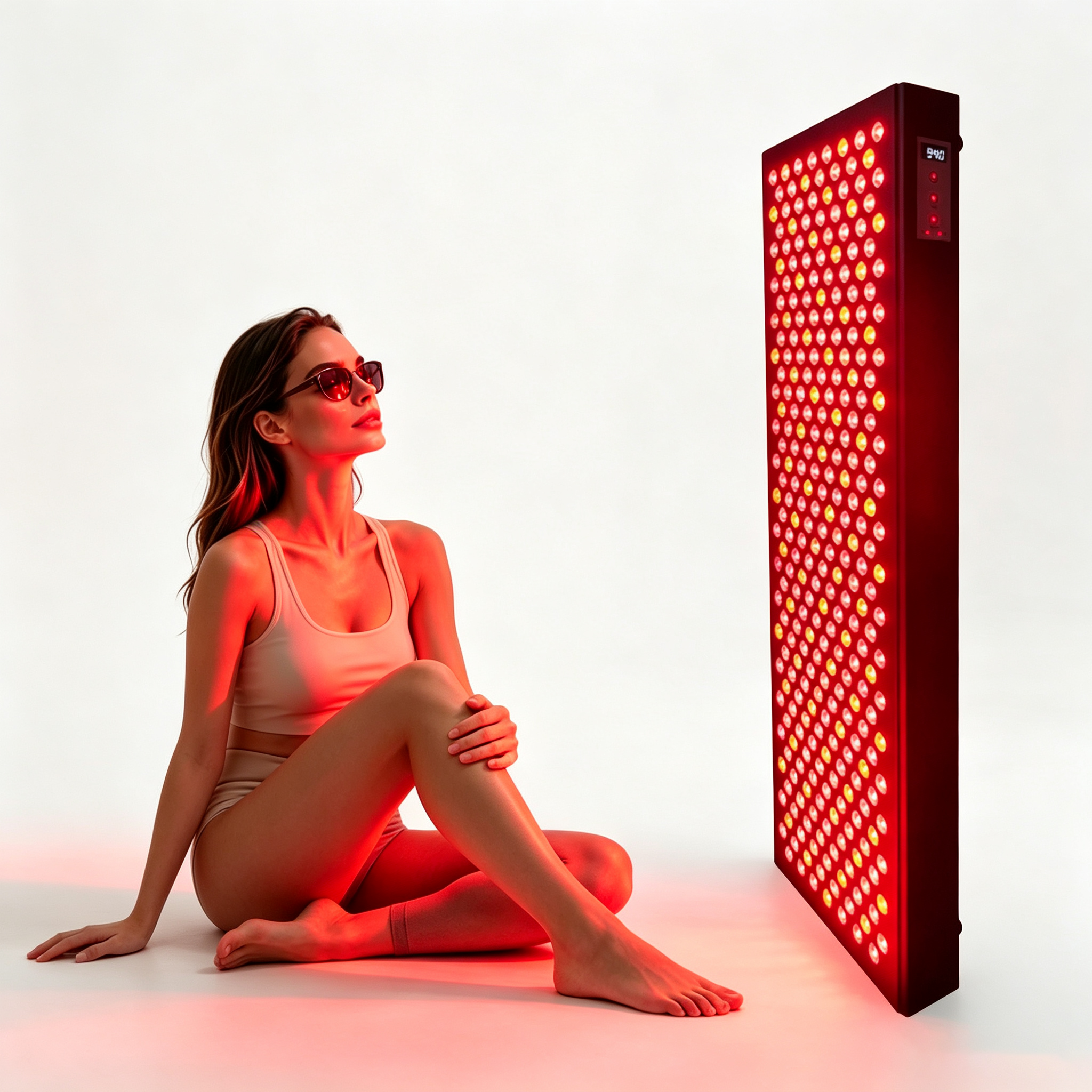
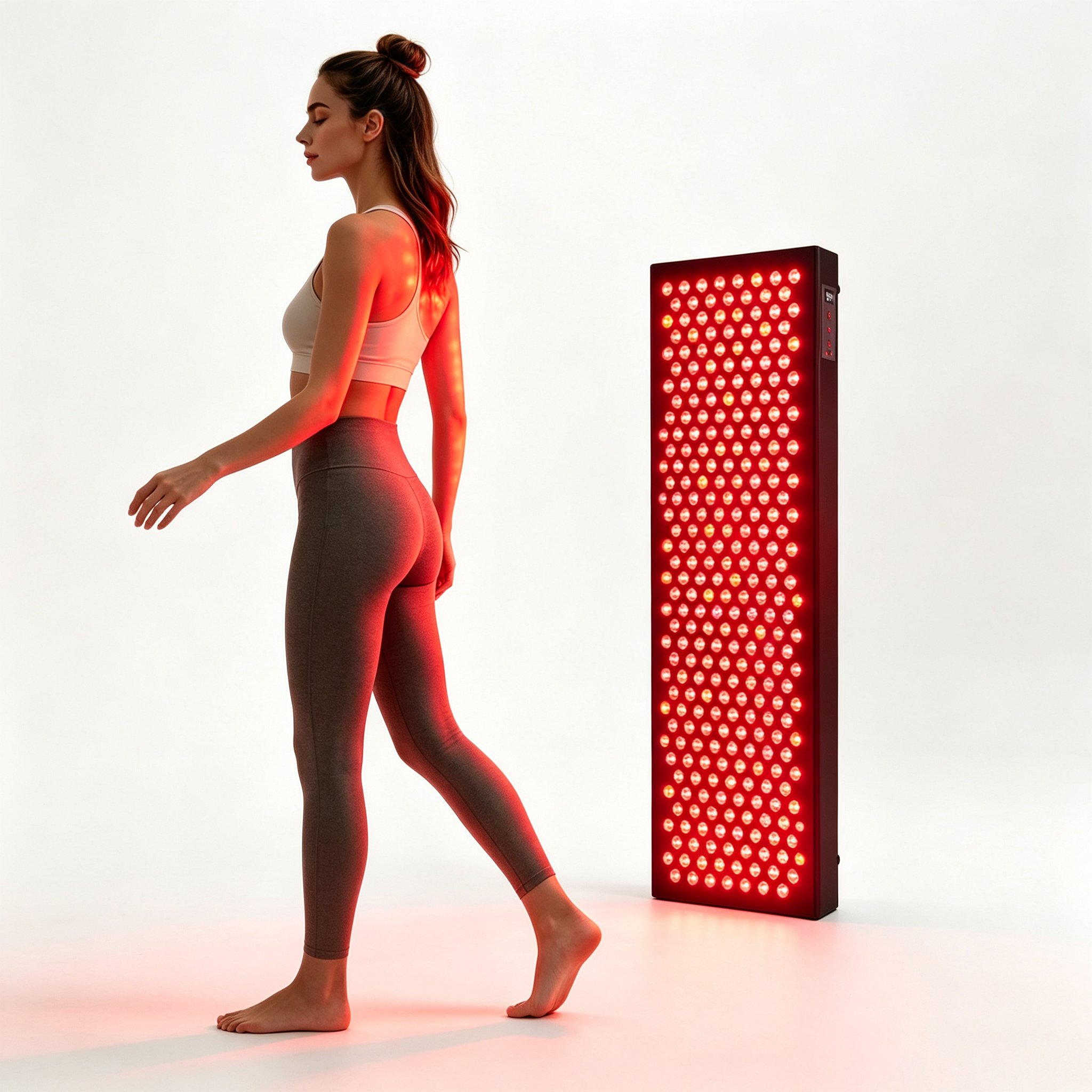
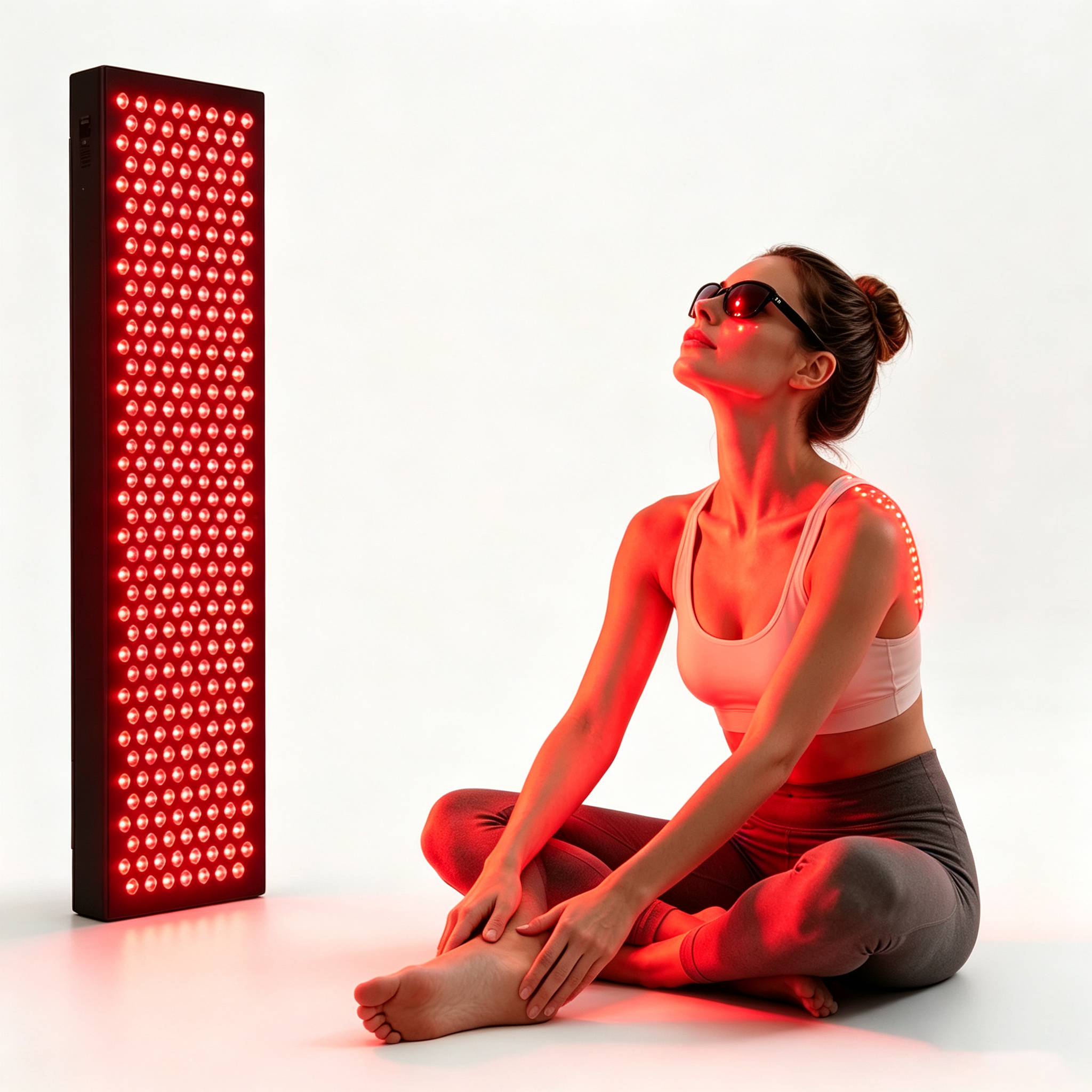
Infrared laser therapy is a noninvasive treatment method that uses controlled light energy to support comfort, circulation, tissue recovery, and everyday physical performance. A device sends infrared light into a selected area, where the energy may encourage local blood flow and support the body's natural repair processes. Unlike surgical treatment, infrared laser therapy does not cut the skin, add medication, or require a lengthy recovery period. It is commonly used by physiotherapy clinics, rehabilitation centers, sports facilities, wellness providers, and home users who need a convenient treatment option. Modern infrared laser therapy systems may include adjustable power, timed sessions, multiple wavelength settings, and focused applicators for precise placement. Some products use a handheld probe, while others combine several light sources to treat broader areas. Digital controls can help operators select treatment time, intensity, and program type with consistent results from one session to the next. The main functions of infrared laser therapy include supporting muscle and joint comfort, promoting circulation, assisting post-exercise recovery, and helping users manage routine physical strain. Application areas may include the back, neck, shoulders, knees, elbows, wrists, legs, and other regions that experience repeated stress. Treatment plans depend on the device, the target area, and professional guidance. Infrared laser therapy should be viewed as a supportive wellness or clinical tool rather than a guaranteed cure. Qualified providers can assess suitability, explain safe use, and combine it with exercise, stretching, or other care methods. Buyers should compare safety controls, treatment coverage, ease of operation, warranty support, and intended use before selecting a system.

Popular Products

The main advantage of infrared laser therapy is convenience. A session can usually take place without injections, surgery, or complicated preparation, allowing clinics and wellness businesses to serve more people during a normal working day. For a customer, this can mean less disruption and a treatment routine that fits around work, training, or household responsibilities. Infrared laser therapy also offers a clean, contact-light approach. Users do not need creams, needles, or disposable treatment materials, which can simplify setup and reduce ongoing supply costs. Many systems run quietly and require limited maintenance, so staff can move from one appointment to another with minimal downtime. Adjustable settings make infrared laser therapy suitable for different body areas and user preferences. A focused probe may support precise work on a small joint, while a wider applicator can cover a larger muscle group. Timers and preset programs help operators deliver repeatable sessions instead of relying entirely on guesswork. This operational consistency can improve staff training and create a more predictable customer experience. Portable infrared laser therapy equipment can also support mobile practitioners, athletic teams, workplace wellness programs, or home routines, depending on the model and local guidance. Buyers should consider whether they need a professional system for frequent daily use or a simpler unit for occasional personal sessions. Important decision points include output control, wavelength information, treatment area, eye and skin safety features, cleaning requirements, battery or mains power, and after-sales service. Infrared laser therapy may be a practical addition to a broader recovery plan, especially when users value non-drug support and flexible scheduling. However, it should not replace medical diagnosis or prescribed care. A responsible supplier should provide clear instructions, contraindication information, training resources, and realistic claims. Choosing infrared laser therapy from a transparent manufacturer helps customers balance purchase price with reliability, safety, expected workload, and long-term value.

Tips And Tricks

Which Features Matter in Red Light Therapy Devices for Veterinary Clinics?

01

Oct

Which Features Matter in Red Light Therapy Devices for Veterinary Clinics?

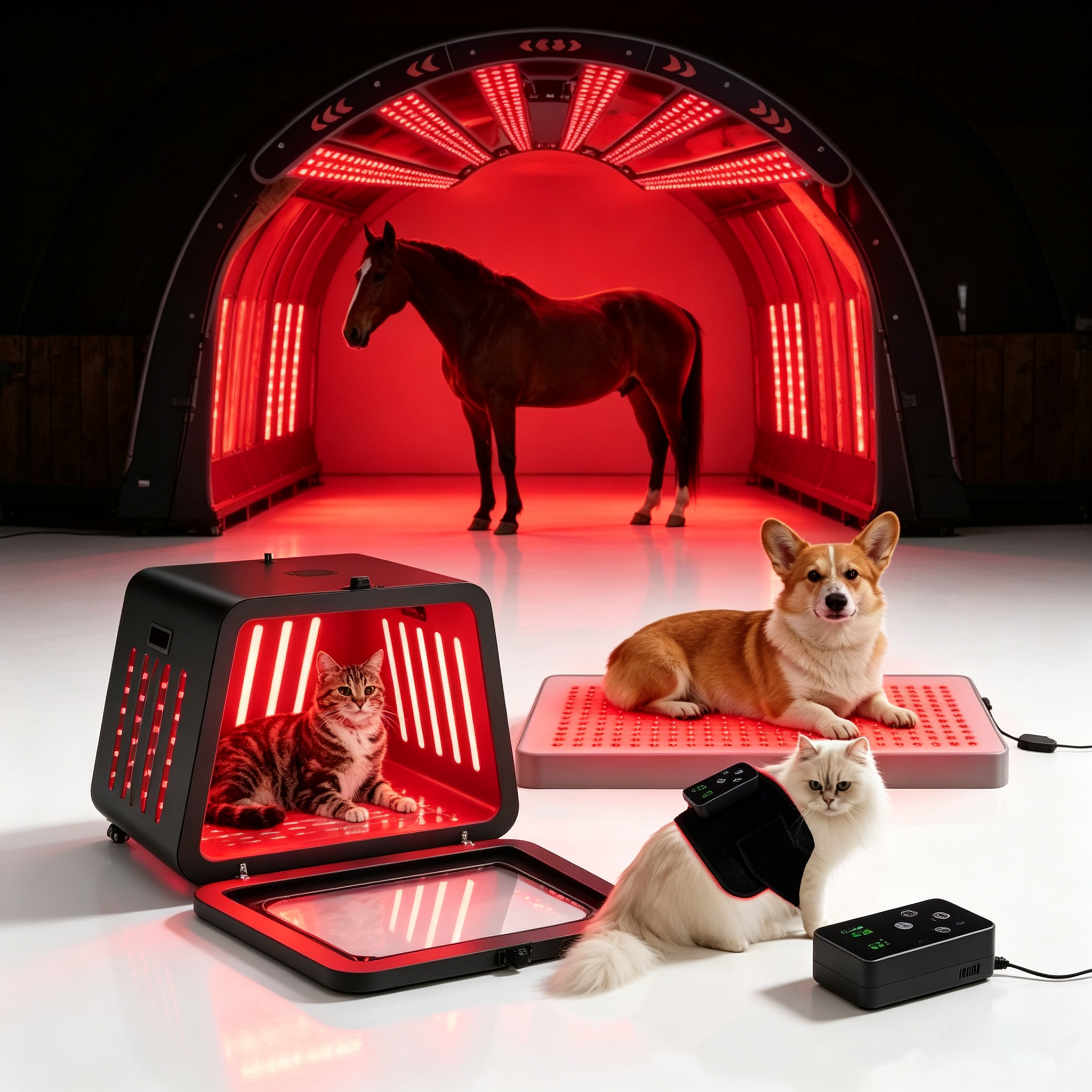
Veterinary clinics increasingly recognize the therapeutic value of light-based treatments for animal patients. Understanding which features matter most in pet red light devices is essential for clinicians selecting equipment that delivers measurable ...
View More
What Is Medical Red Light Technology and Where Is It Commonly Used?

29

Oct

What Is Medical Red Light Technology and Where Is It Commonly Used?

Medical red light technology has emerged as a powerful therapeutic tool in modern healthcare, offering non-invasive solutions for tissue healing and cellular regeneration. This sophisticated approach leverages specific light wavelengths to stimulate ...
View More
What Safety Controls Should an Infrared Sauna Blanket Include?

15

Oct

What Safety Controls Should an Infrared Sauna Blanket Include?

Selecting an infrared sauna blanket requires careful evaluation of built-in safety controls to protect users during sessions. An infrared sauna blanket emits far-infrared wavelengths that penetrate skin tissue, triggering therapeutic responses throug...
View More
What Safety Features Should Buyers Check in Laser Therapy Devices?

22

Oct

What Safety Features Should Buyers Check in Laser Therapy Devices?

When selecting laser therapy equipment, understanding critical safety features is essential to ensure both patient protection and regulatory compliance. Medical professionals and facility operators must carefully evaluate devices before purchase to a...
View More

Get a Free Quote

Our representative will contact you soon.
Email
Name
Company Name
Mobile
Message
0/1000

infrared laser therapy

Controlled Energy for Targeted Sessions

Controlled Energy for Targeted Sessions

A key strength of infrared laser therapy is its ability to deliver light energy to a chosen treatment area without invasive contact. This focused approach helps operators work around specific joints, muscles, or soft-tissue regions instead of treating the whole body unnecessarily. Infrared laser therapy devices with adjustable output and session timing allow providers to match the program to the application, user comfort, and professional recommendations. This control matters for clinics that serve different customer groups, from active adults seeking recovery support to older users who prefer gentle, straightforward care. It also helps staff repeat a familiar treatment pattern across appointments, improving workflow and customer confidence. For buyers, controlled delivery can provide better usability than a one-setting product. Look for clear controls, visible treatment status, stable applicator design, and practical guidance on distance and placement. These details can reduce operator uncertainty and make infrared laser therapy easier to add to an established service menu.
Flexible Use Across Professional and Home Settings

Flexible Use Across Professional and Home Settings

Infrared laser therapy can suit a wide range of environments because manufacturers offer both compact handheld units and larger professional systems. A portable model can support home routines, personal training rooms, mobile practitioners, and small practices with limited space. A clinic-grade model may provide broader coverage, stronger construction, faster session turnover, or more detailed controls for regular commercial use. This flexibility gives buyers a clearer path to matching the equipment with actual demand. Infrared laser therapy is often selected for areas such as the back, neck, shoulders, knees, elbows, and legs, making it relevant to recovery programs, wellness services, and physical support routines. Easy portability can also reduce the need for a dedicated treatment room. Before purchase, customers should check weight, charging time, cable length, applicator size, cleaning instructions, and storage needs. Choosing the right format helps infrared laser therapy deliver practical value without paying for features a particular setting will not use.
Simple Operation with Measurable Business Value

Simple Operation with Measurable Business Value

A well-designed infrared laser therapy system combines straightforward operation with features that support dependable service delivery. Digital timers, preset programs, status indicators, and adjustable intensity can help staff begin sessions quickly and follow a consistent process. Infrared laser therapy does not require consumable creams or complex preparation, which may lower per-session costs and shorten room turnover. For a clinic, sports facility, or wellness business, these savings can improve daily capacity while keeping the customer experience calm and organized. For personal users, simple controls make it easier to maintain a regular schedule without relying on specialist equipment knowledge. Safety design remains essential. Buyers should look for protective eyewear guidance, automatic shutoff, thermal management, clear warnings, and instructions that explain when treatment is unsuitable. A credible supplier should also offer warranty coverage, technical support, and realistic performance information. When these factors are present, infrared laser therapy becomes more than a light-based device; it becomes a manageable service tool that can support customer retention, staff efficiency, and responsible long-term use.

Get a Free Quote

Our representative will contact you soon.
Email
Name
Company Name
Mobile
Message
0/1000