LED Phototherapy: Benefits and Applications

led phototherapy

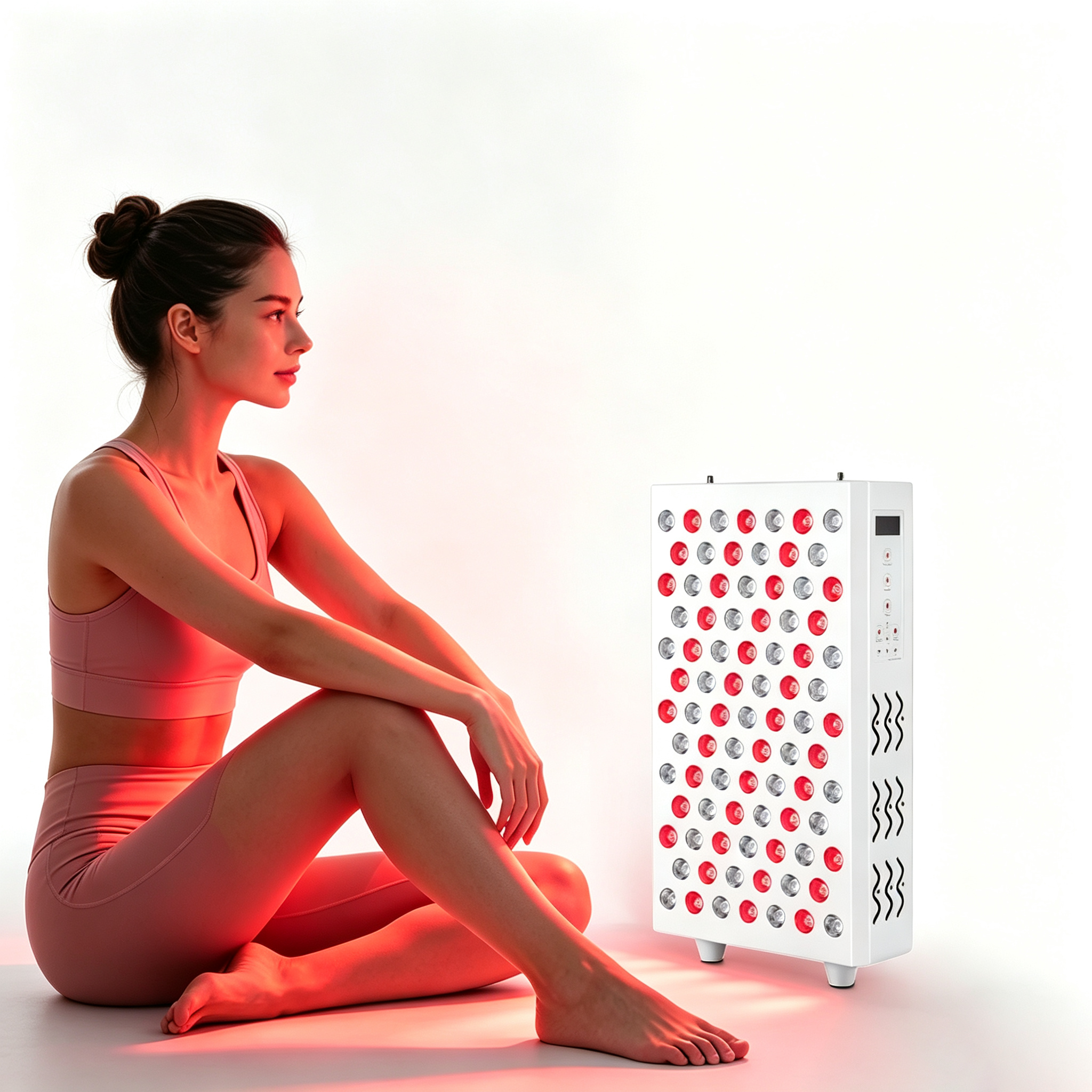
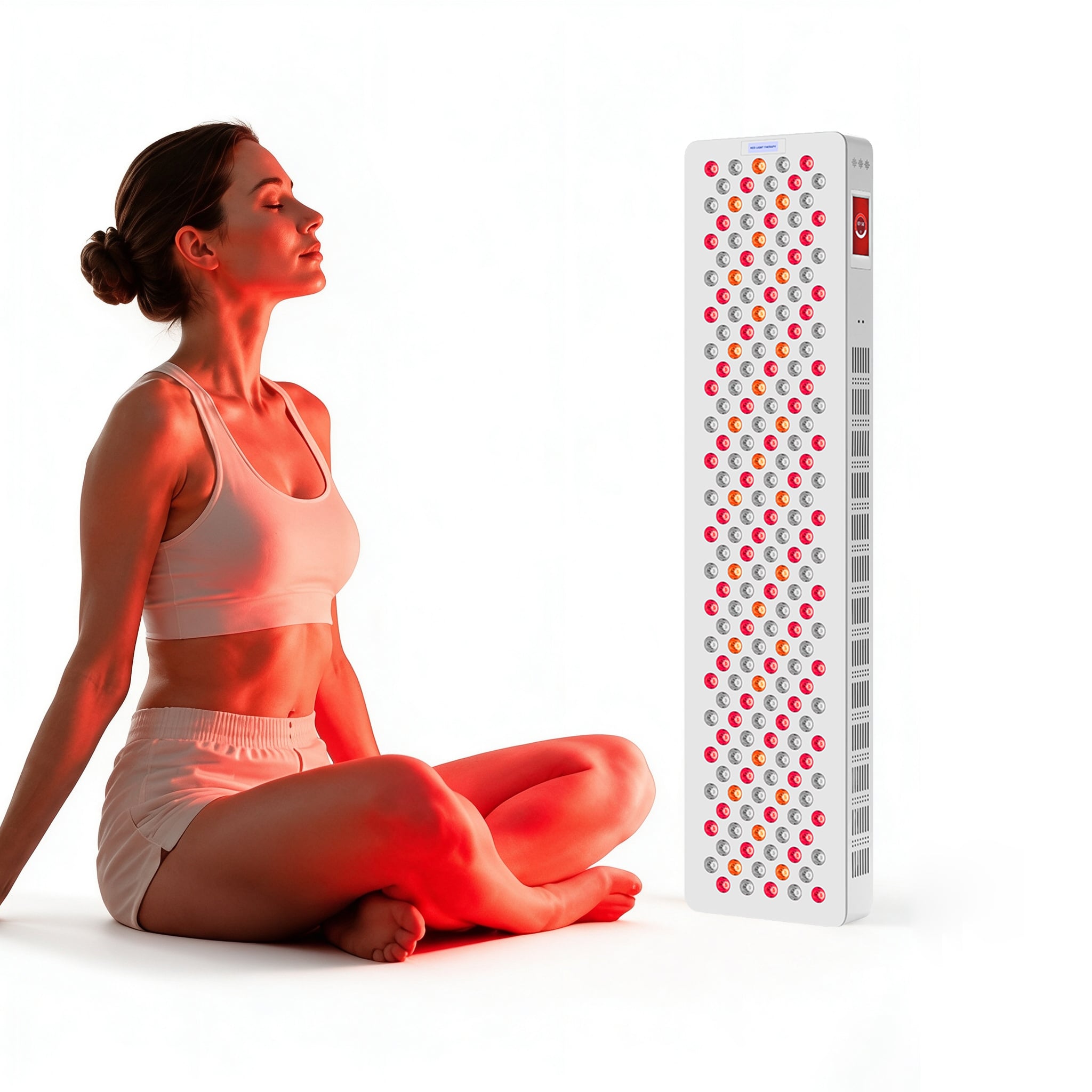
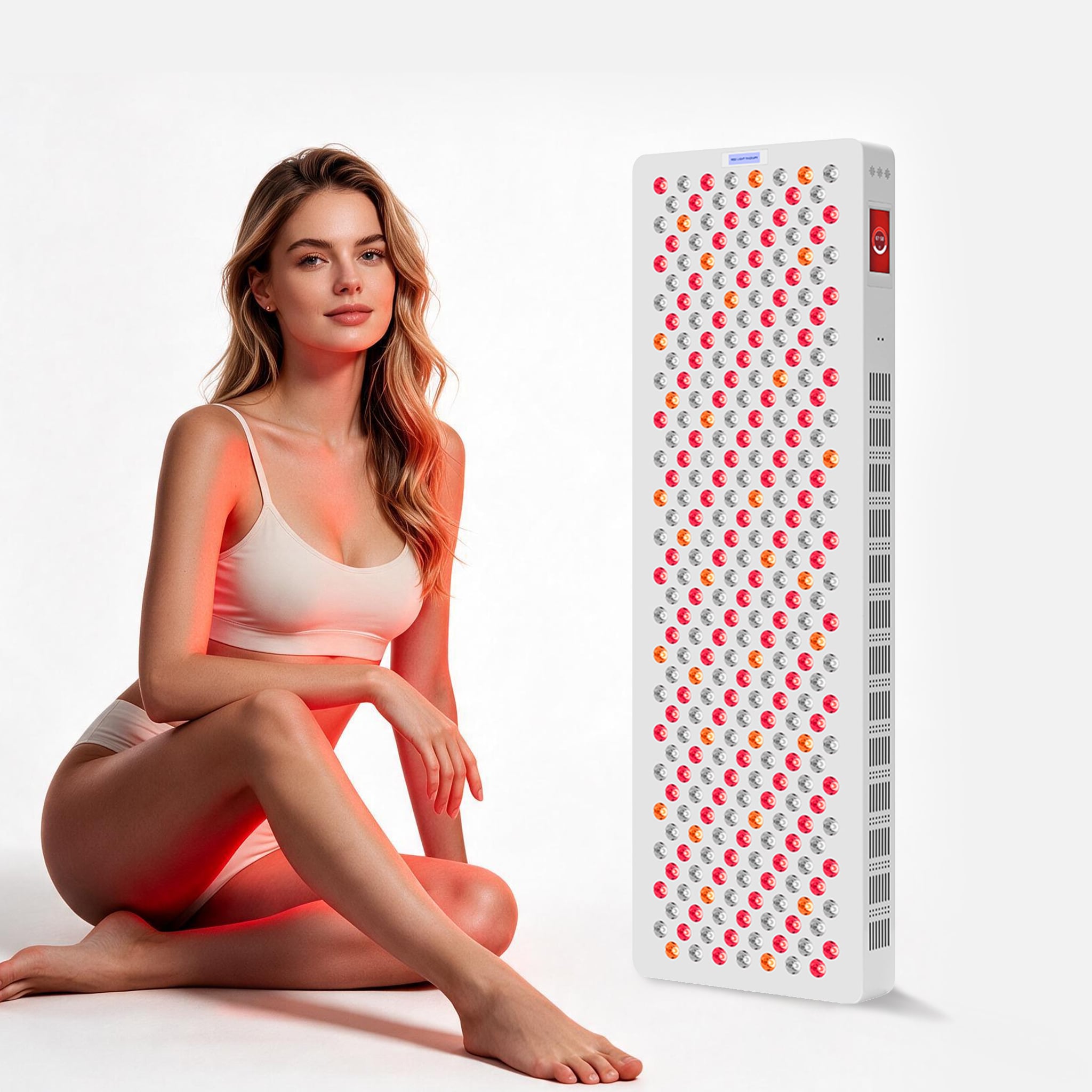
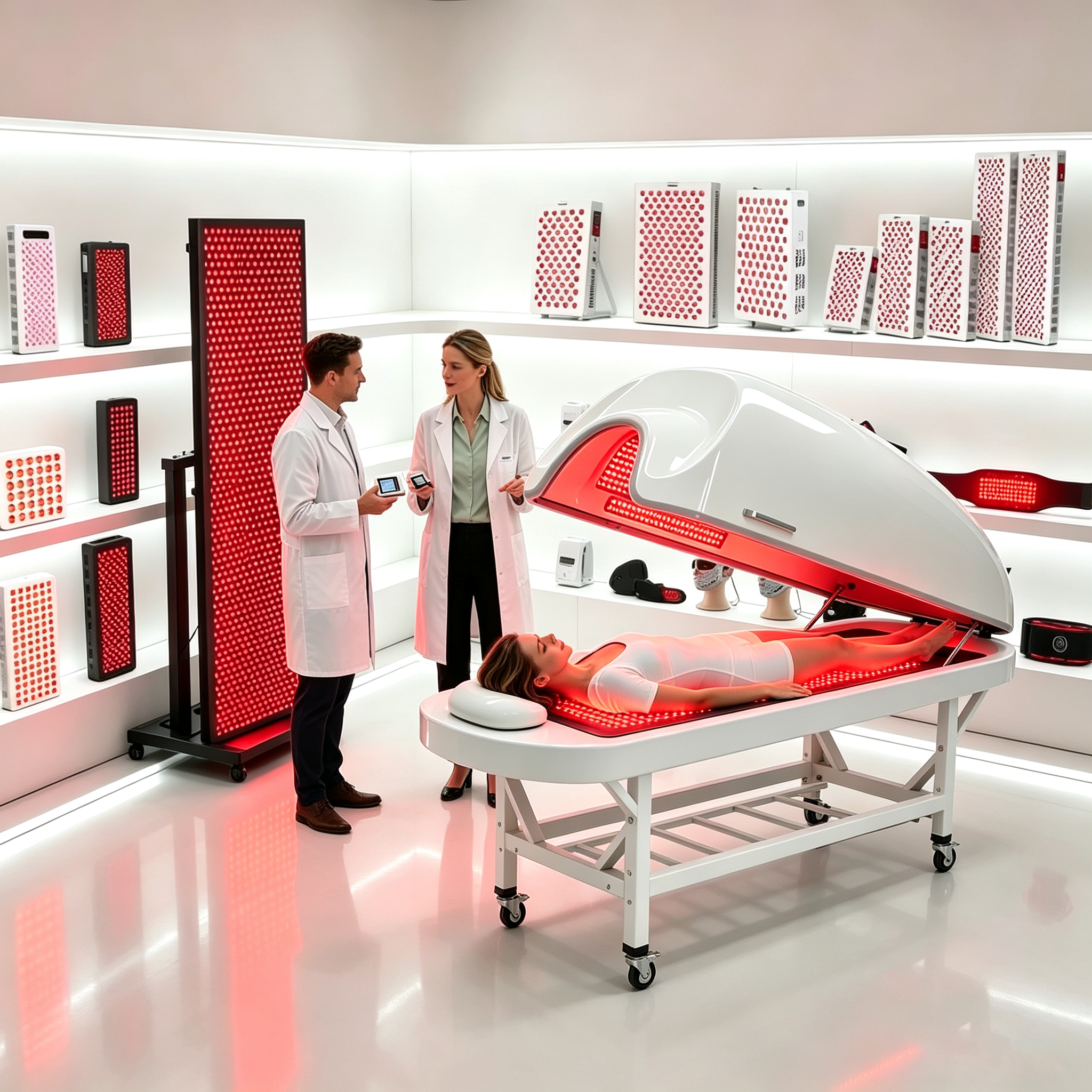
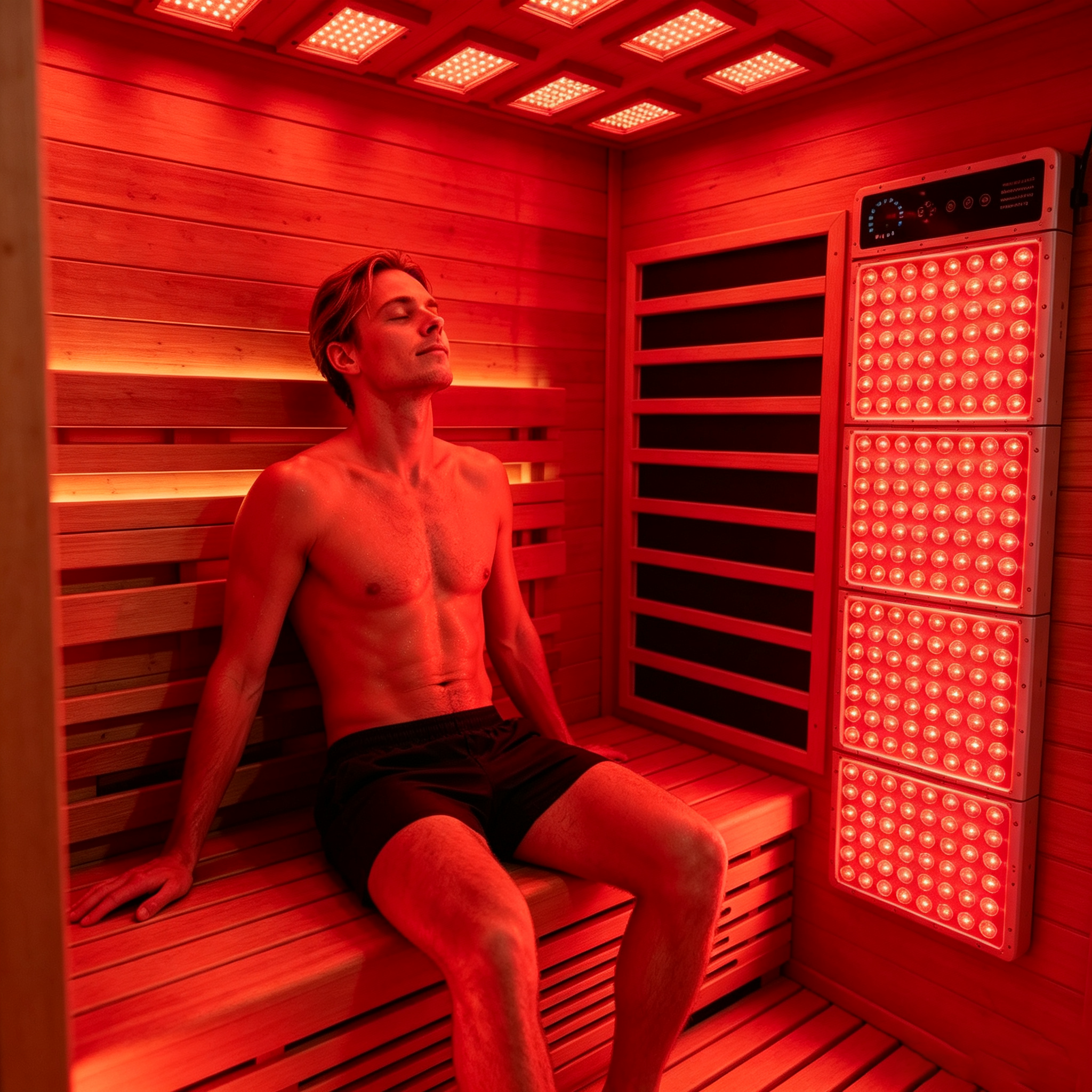
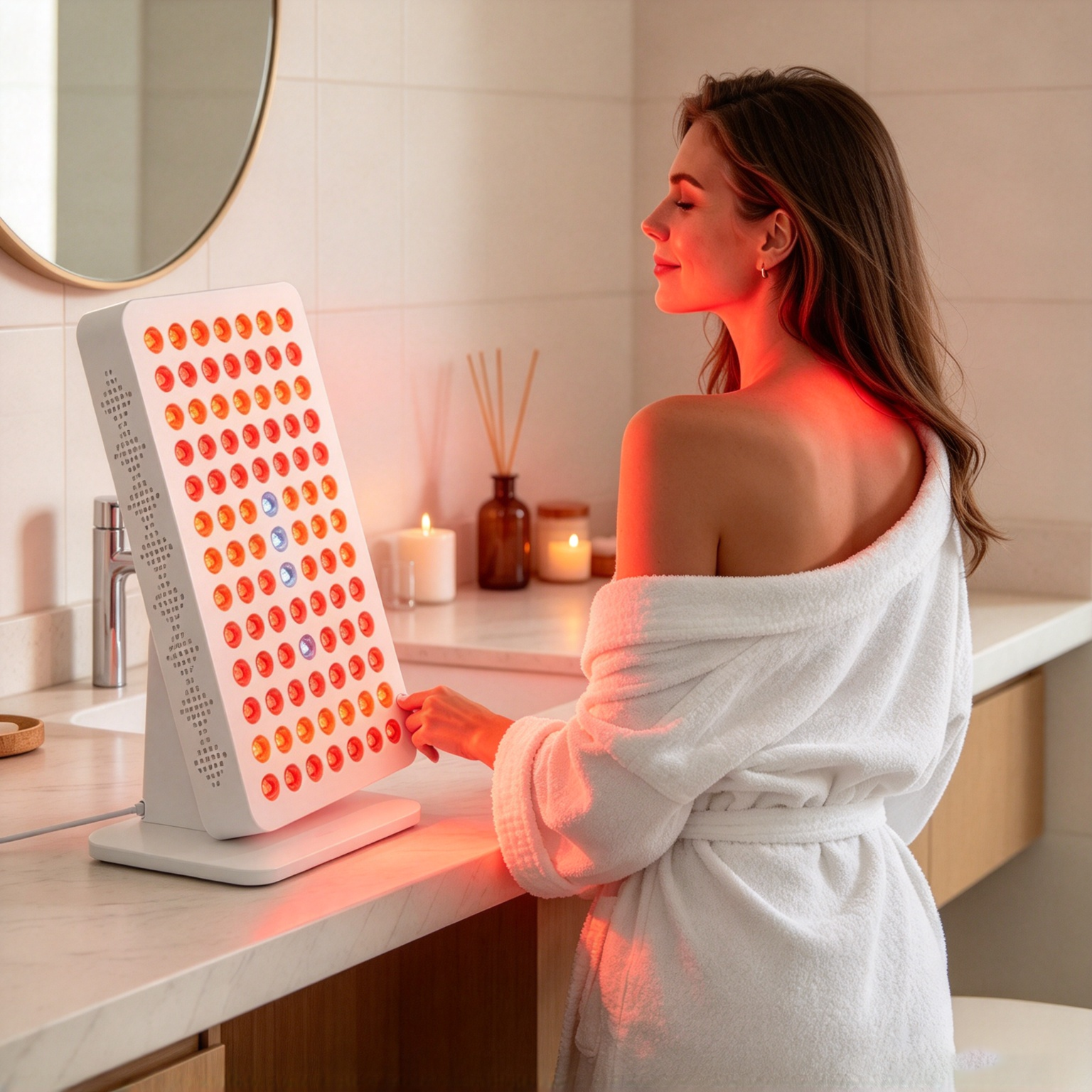
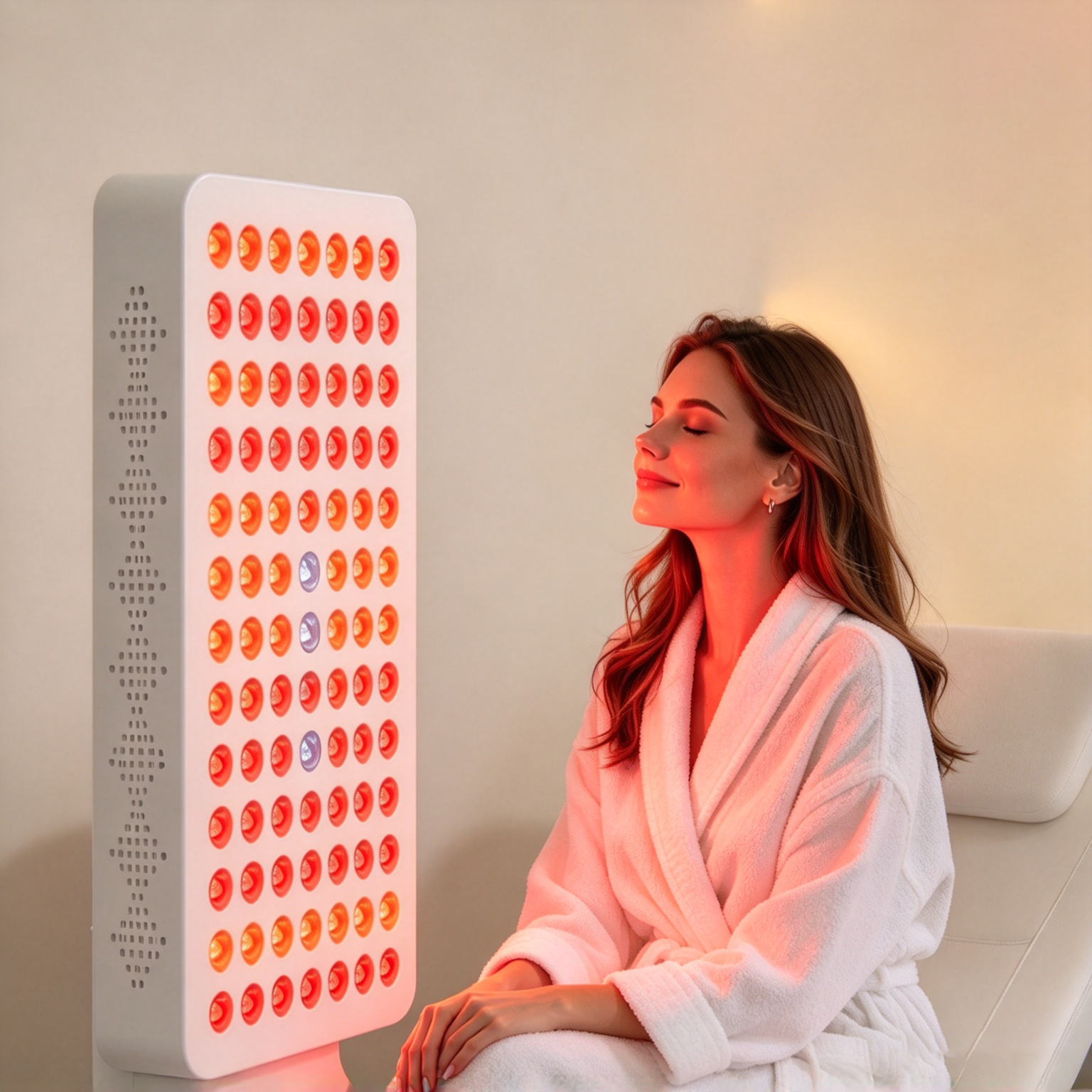
LED phototherapy is a non-invasive treatment that uses controlled light to support skin, wellness, and selected medical-care goals. Unlike ultraviolet light, LED phototherapy uses visible or near-infrared wavelengths that do not rely on tanning or intentional skin damage. A well-designed LED phototherapy system directs light toward the treatment area, where different colors can support different purposes. Red light is commonly selected for skin appearance, firmness, and recovery support, while blue light is often used in routines focused on blemish-prone skin. Near-infrared light reaches deeper tissue and may support circulation, comfort, and post-treatment recovery. A professional LED phototherapy system may combine several wavelengths, allowing providers to create flexible treatment programs. Most LED phototherapy devices include timed sessions, adjustable intensity, protective eyewear, and a stable panel, mask, bed, or handheld format. Some models add cooling, touch controls, preset programs, remote operation, or treatment records. LED phototherapy typically requires little preparation and creates no downtime, making it suitable for clinics, salons, wellness centers, sports settings, and home users who want a simple routine. Treatment length and frequency depend on the device, target area, and supplier guidance. LED phototherapy does not replace diagnosis or prescribed care, so users should follow safety instructions and seek professional advice for medical concerns, photosensitive conditions, or medication-related light sensitivity. For buyers, the best LED phototherapy option balances wavelength coverage, output consistency, comfort, cleaning, warranty support, and ease of daily use.

New Product Recommendations

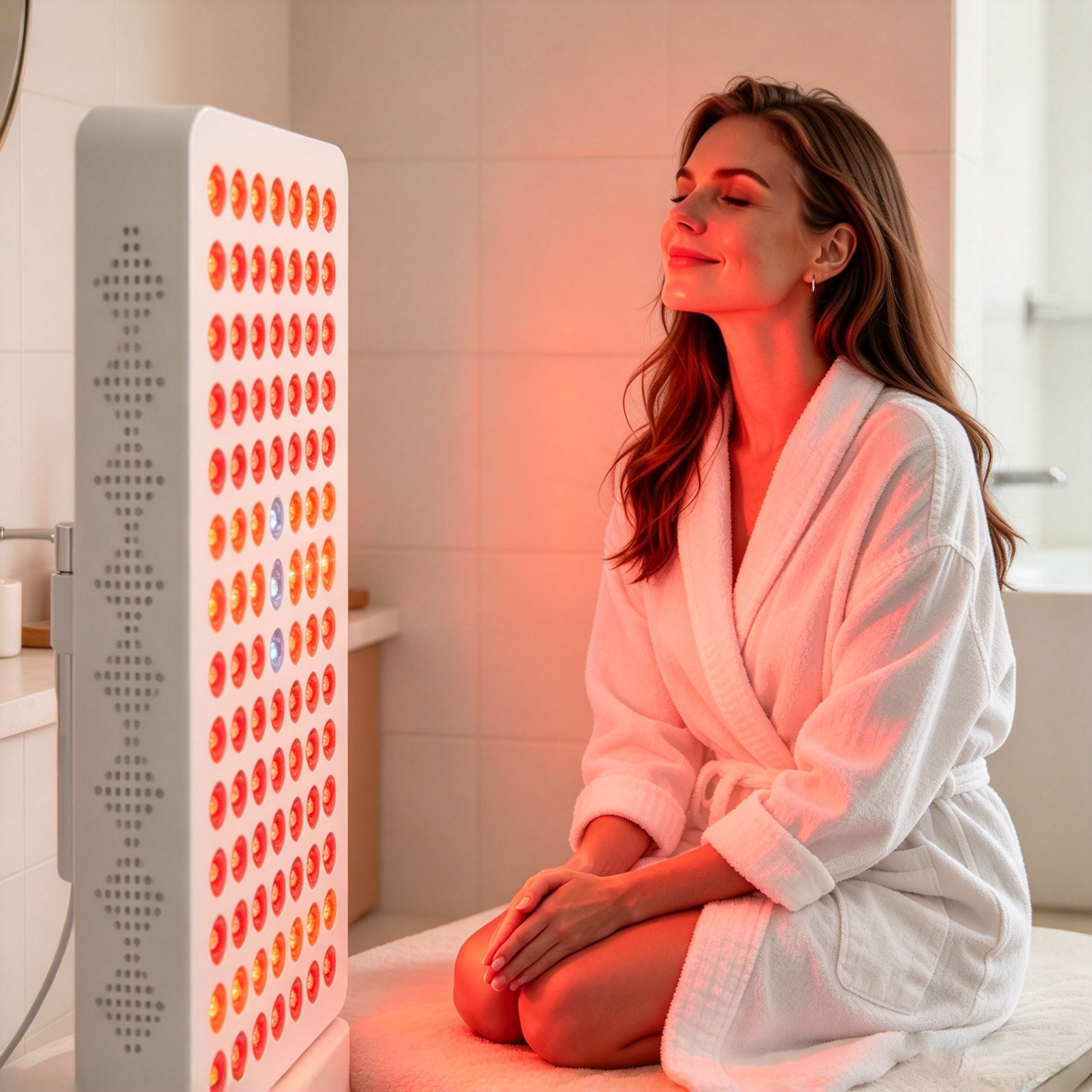
LED phototherapy gives buyers a practical way to add light-based care without needles, injections, or lengthy recovery. Users can complete a session, remove the device, and return to normal activities, which supports regular use and improves the value of the purchase. Because LED phototherapy uses controlled light rather than abrasive procedures, many people find it comfortable and easy to fit into an existing skincare or wellness routine. LED phototherapy also works across several settings. A compact mask can serve home customers, while a panel or bed can handle higher appointment volume in a clinic or salon. For operators, LED phototherapy simplifies workflow: staff can prepare the area, position the user, select a preset, and monitor a timed session. A portable LED phototherapy unit can serve multiple rooms or travel with a practitioner, reducing the need for a fixed treatment space. In a clinic, LED phototherapy can complement facials, recovery services, and other non-invasive programs, helping businesses offer more choice without adding complex consumables. LED phototherapy suits customers who prefer gradual, repeatable care and those who want a low-maintenance option between professional appointments. Buying LED phototherapy can also lower ongoing supply needs because the system does not depend on single-use creams, needles, or cartridges. LED phototherapy supports predictable scheduling through preset durations and automatic shutoff. The predictable nature of LED phototherapy makes it easier to explain sessions, train staff, and create consistent service standards. Overall, LED phototherapy offers buyer value through comfort, repeatability, flexible placement, and broad application potential. Before purchase, compare irradiance, wavelength range, coverage area, control options, cleaning requirements, certifications, warranty terms, and supplier support rather than choosing by appearance alone.

Practical Tips

Which Features Matter in Red Light Therapy Devices for Veterinary Clinics?

01

Oct

Which Features Matter in Red Light Therapy Devices for Veterinary Clinics?

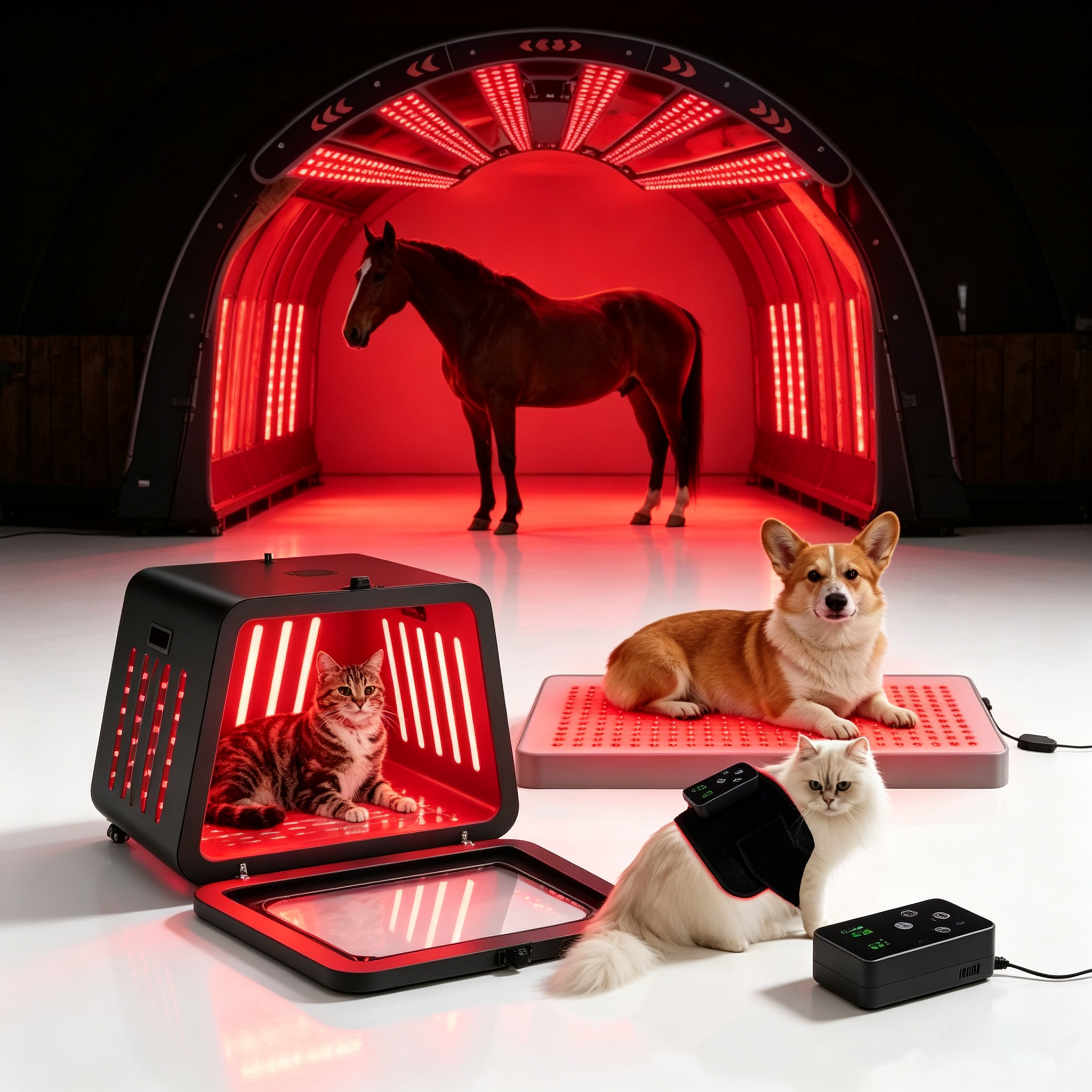
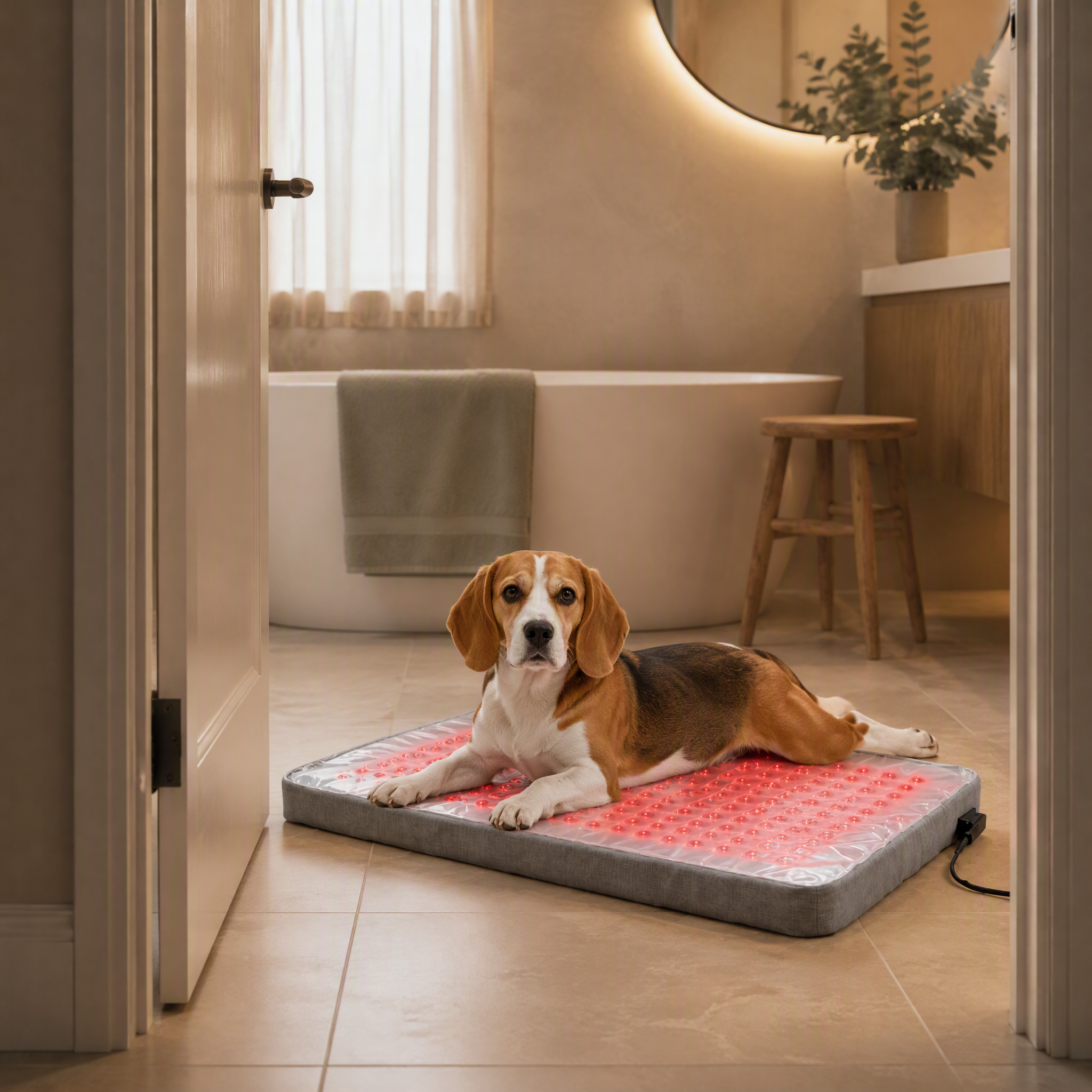
Veterinary clinics increasingly recognize the therapeutic value of light-based treatments for animal patients. Understanding which features matter most in pet red light devices is essential for clinicians selecting equipment that delivers measurable ...
View More
What Is Medical Red Light Technology and Where Is It Commonly Used?

29

Oct

What Is Medical Red Light Technology and Where Is It Commonly Used?

Medical red light technology has emerged as a powerful therapeutic tool in modern healthcare, offering non-invasive solutions for tissue healing and cellular regeneration. This sophisticated approach leverages specific light wavelengths to stimulate ...
View More
What Safety Controls Should an Infrared Sauna Blanket Include?

15

Oct

What Safety Controls Should an Infrared Sauna Blanket Include?

Selecting an infrared sauna blanket requires careful evaluation of built-in safety controls to protect users during sessions. An infrared sauna blanket emits far-infrared wavelengths that penetrate skin tissue, triggering therapeutic responses throug...
View More
What Should Pet Owners Consider When Choosing Red Light Devices?

08

Oct

What Should Pet Owners Consider When Choosing Red Light Devices?

Pet owners increasingly recognize the therapeutic potential of red light devices for their animals, but selecting the right system requires understanding several critical factors. Whether you're considering pet red light therapy for pain relief, woun...
View More

Get a Free Quote

Our representative will contact you soon.
Email
Name
Company Name
Mobile
Message
0/1000

led phototherapy

Multi-Wavelength Treatment Flexibility

Multi-Wavelength Treatment Flexibility

A key strength of LED phototherapy is the ability to combine targeted wavelengths in one platform. Red light can support routines focused on visible skin quality, while blue light is commonly chosen for blemish-prone skin programs. Near-infrared light adds deeper-reaching support for comfort and recovery-focused services. This flexibility helps a clinic, salon, or wellness business serve different customer goals without purchasing several unrelated machines. LED phototherapy with selectable modes also makes consultations easier because staff can match a program to the treatment area and service plan. For home users, preset options reduce guesswork and make regular sessions more convenient. The value is not simply having more colors; it is having a clearer way to organize services and expand applications over time. Buyers should confirm the exact wavelength ranges, output consistency, and independent testing information. A strong LED phototherapy platform delivers useful choice while keeping controls simple enough for safe, repeatable operation.
Comfortable, No-Downtime Operation

Comfortable, No-Downtime Operation

LED phototherapy stands out as a gentle option for customers who want a treatment that fits around work, exercise, or daily skincare. The process is non-invasive and normally does not require needles, peeling, or recovery time. Users can sit or lie comfortably while the programmed light session runs, then continue their day. This convenience can improve attendance and encourage the consistent use that many gradual-care routines require. For businesses, LED phototherapy can create a smooth customer journey with limited setup, no product waste, and less cleanup between sessions. Timers and automatic shutoff help staff maintain a clear schedule, while adjustable brightness can improve comfort for different users. Protective eyewear, ventilation, padding, and a stable frame further support a positive experience. The practical advantage of LED phototherapy is easy communication: operators can explain what the session involves without promising instant or guaranteed results. Buyers should still review safety guidance, photosensitivity warnings, and recommended session limits before use.
Scalable Designs for Home and Professional Use

Scalable Designs for Home and Professional Use

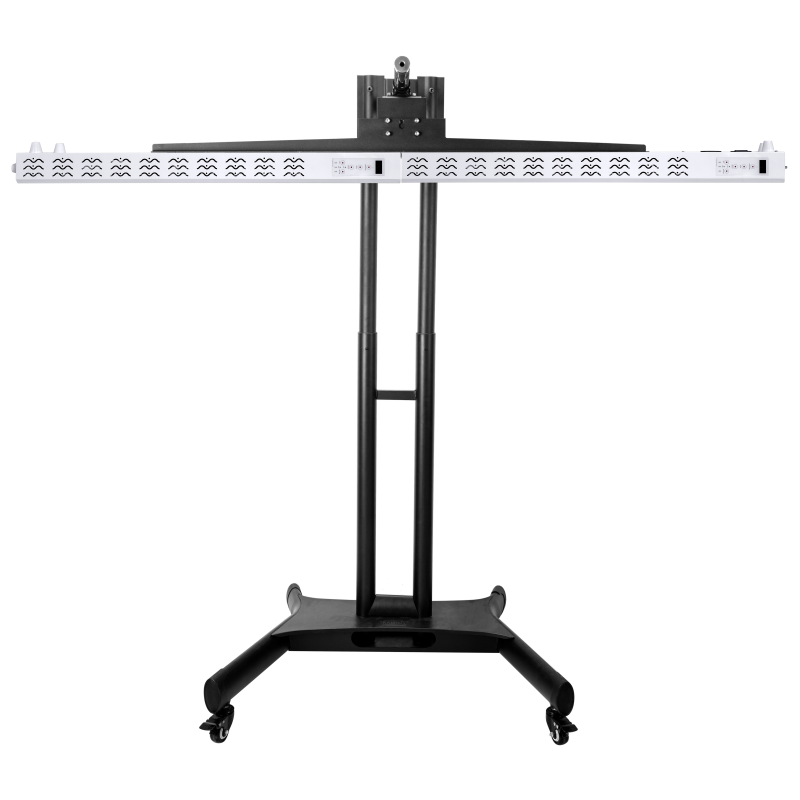
LED phototherapy can fit different purchasing plans because manufacturers offer several device formats. A lightweight mask or handheld tool suits personal use, small treatment areas, and customers who need convenient storage. A larger panel provides broader coverage, while a bed or canopy can support professional services and higher daily throughput. This range lets buyers select capacity instead of paying for equipment that exceeds their needs. In a growing business, LED phototherapy can begin with a compact unit and expand into additional rooms or service packages as demand develops. Professional models may include adjustable stands, preset programs, treatment counters, remote controls, and easier-to-clean surfaces. Home models may focus on simple buttons, rechargeable operation, and a close fit. When comparing LED phototherapy products, check treatment distance, coverage, session time, power requirements, and replacement-part access. A scalable LED phototherapy choice protects the budget while supporting future applications, staff training, customer comfort, and reliable day-to-day operation.

Get a Free Quote

Our representative will contact you soon.
Email
Name
Company Name
Mobile
Message
0/1000