photobiomodulation therapy
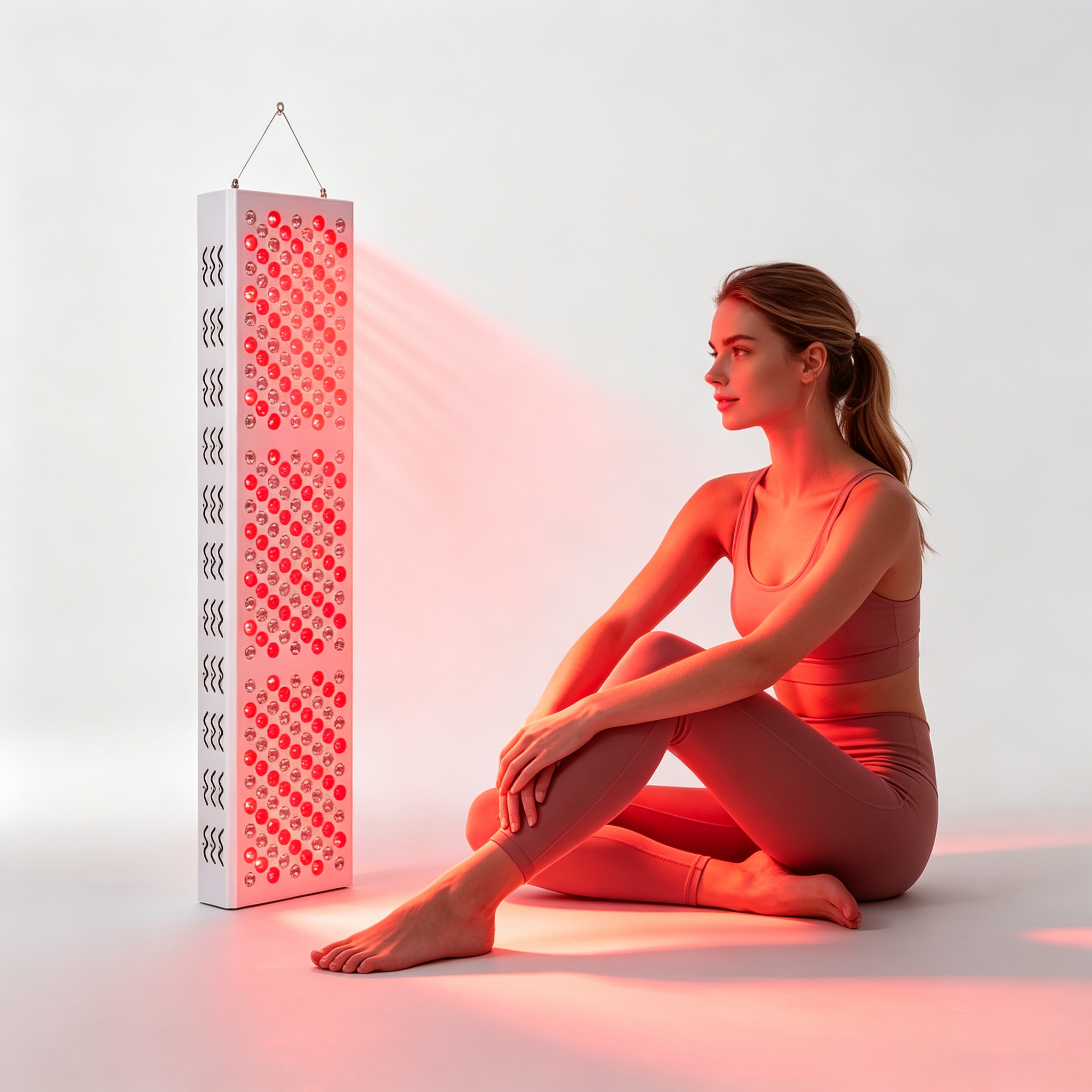
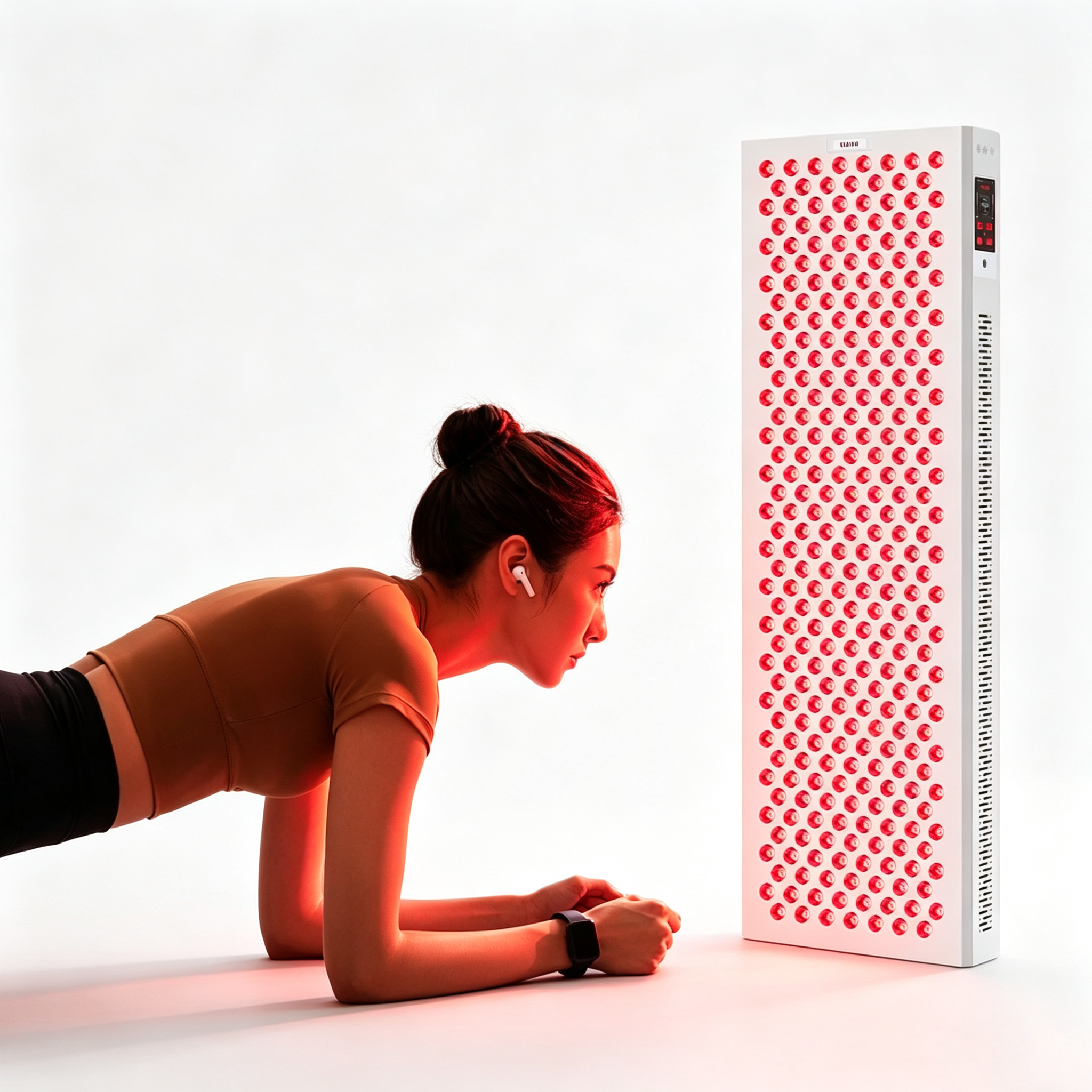
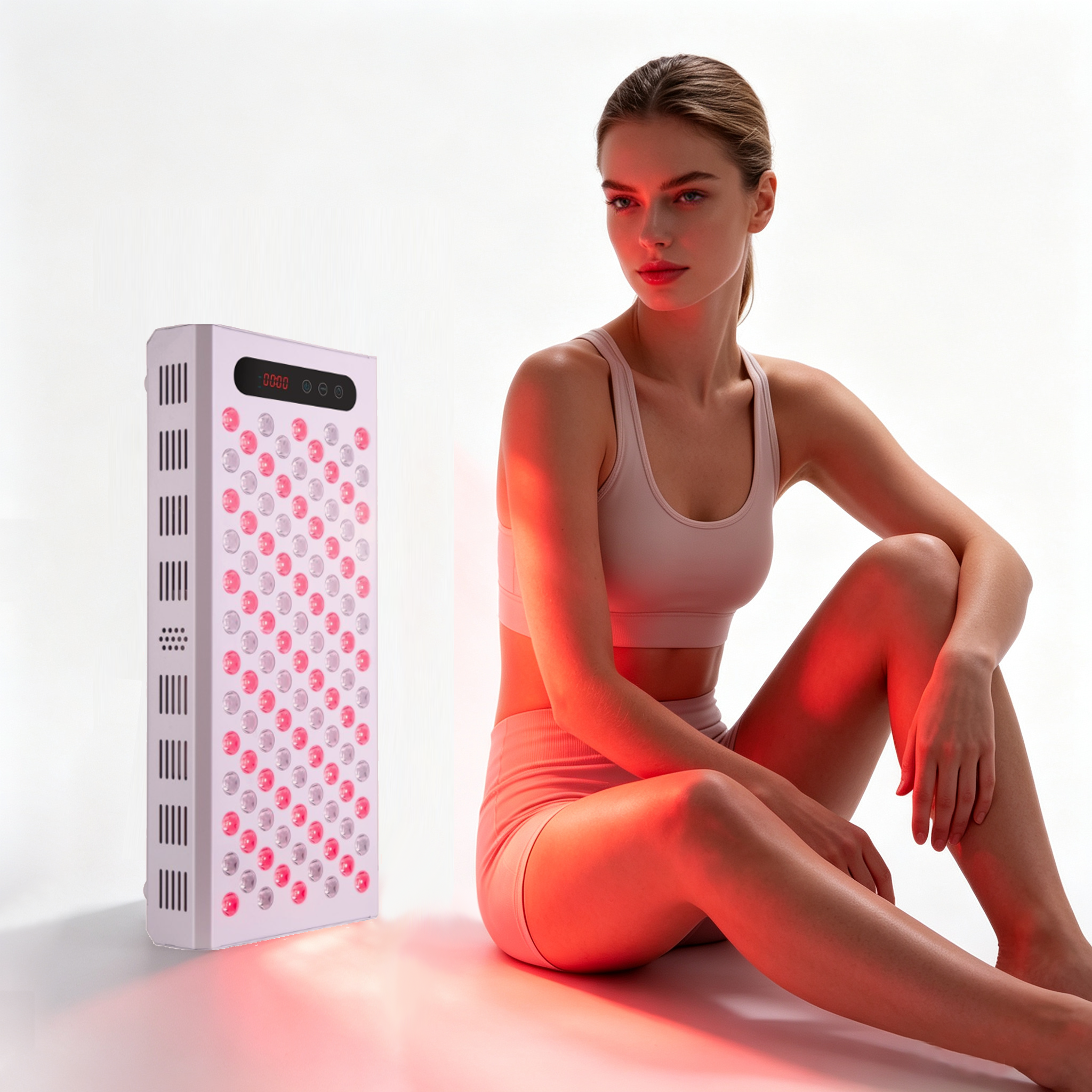
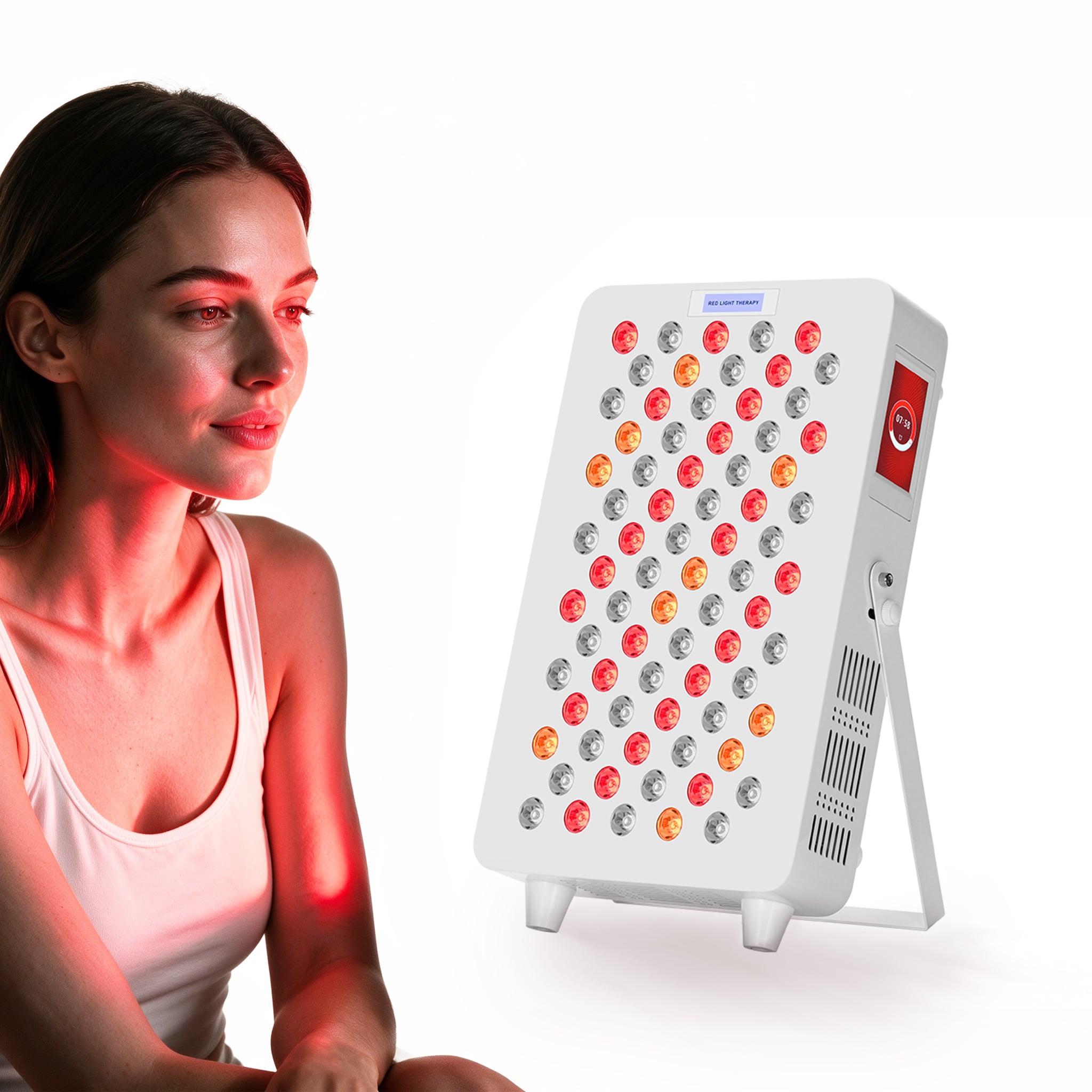
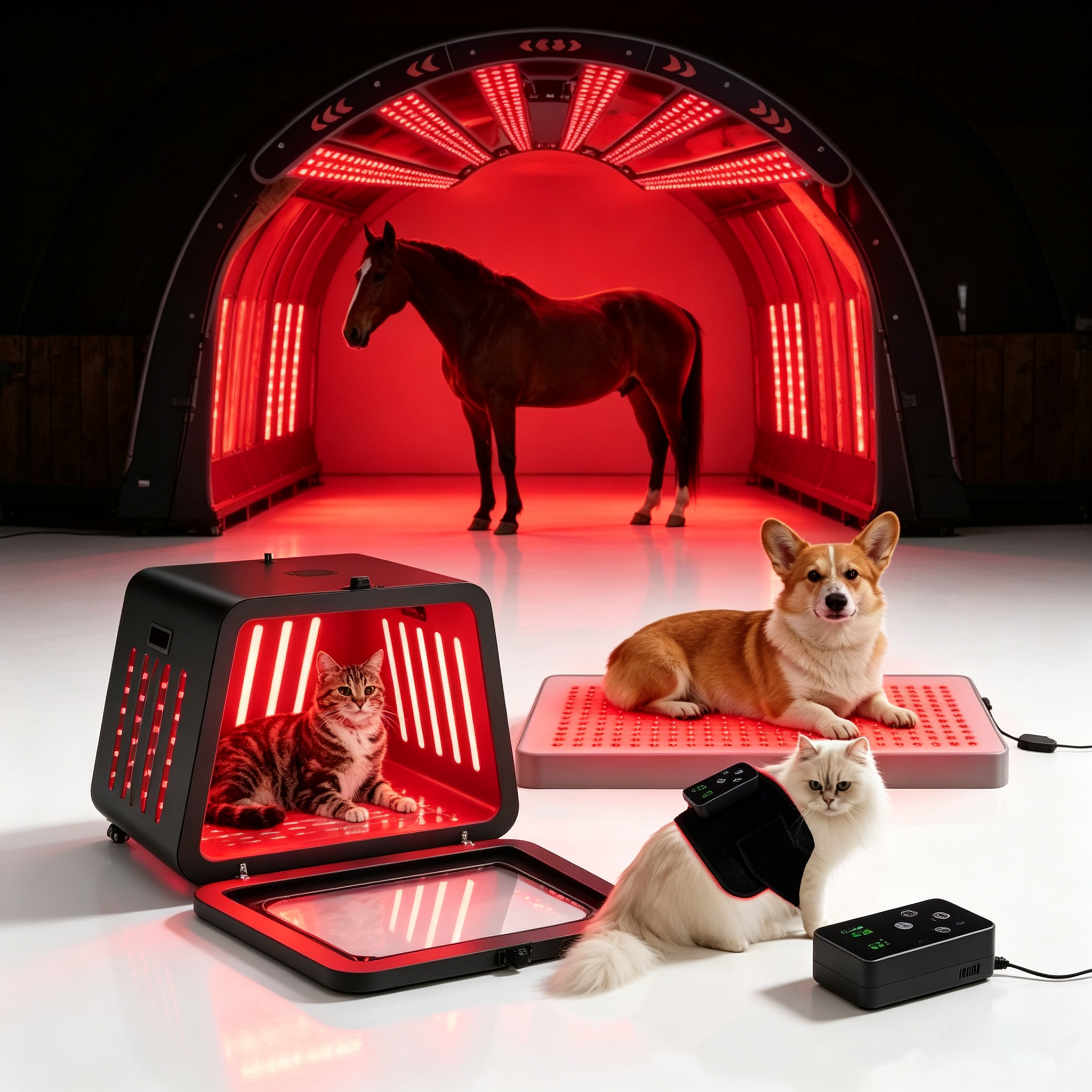
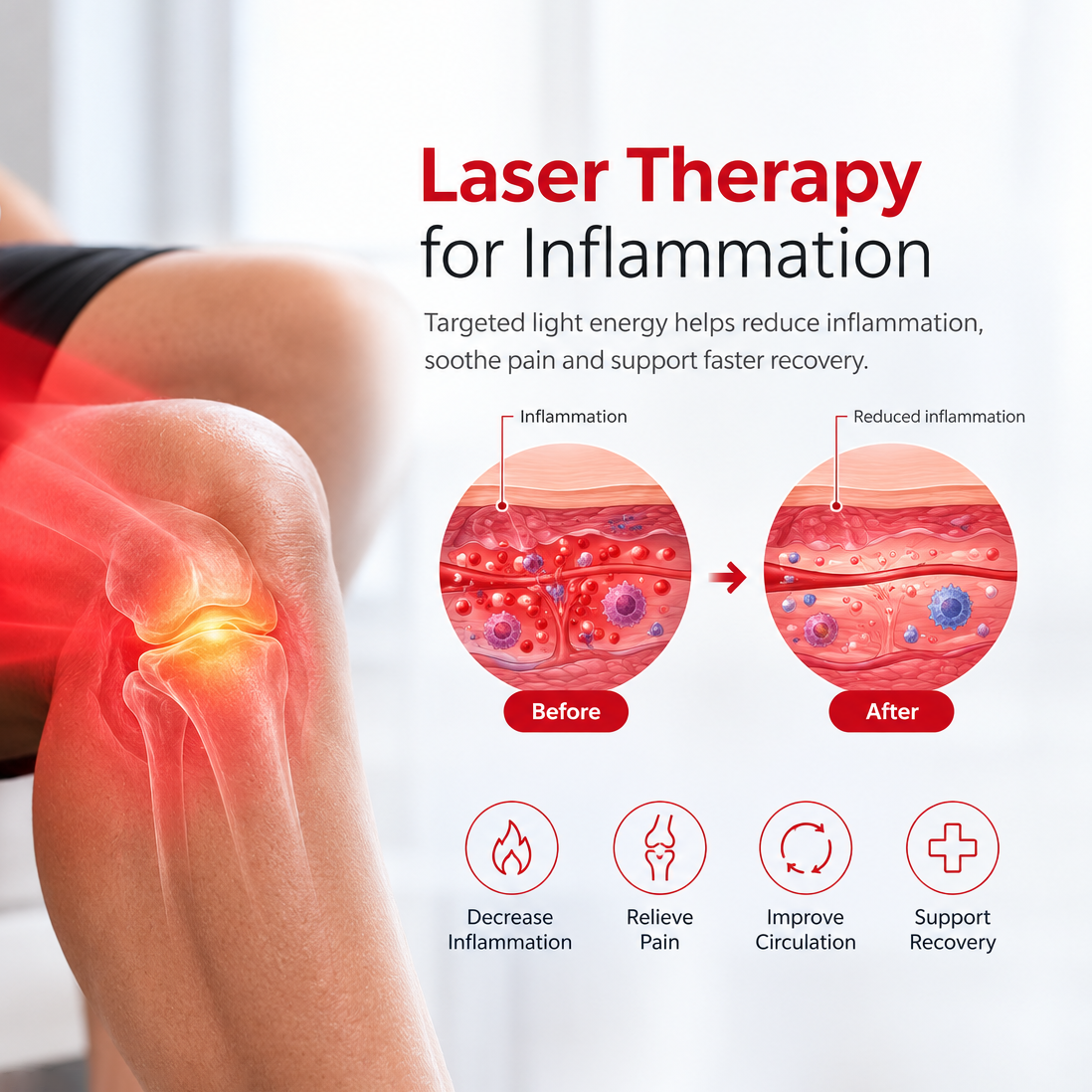
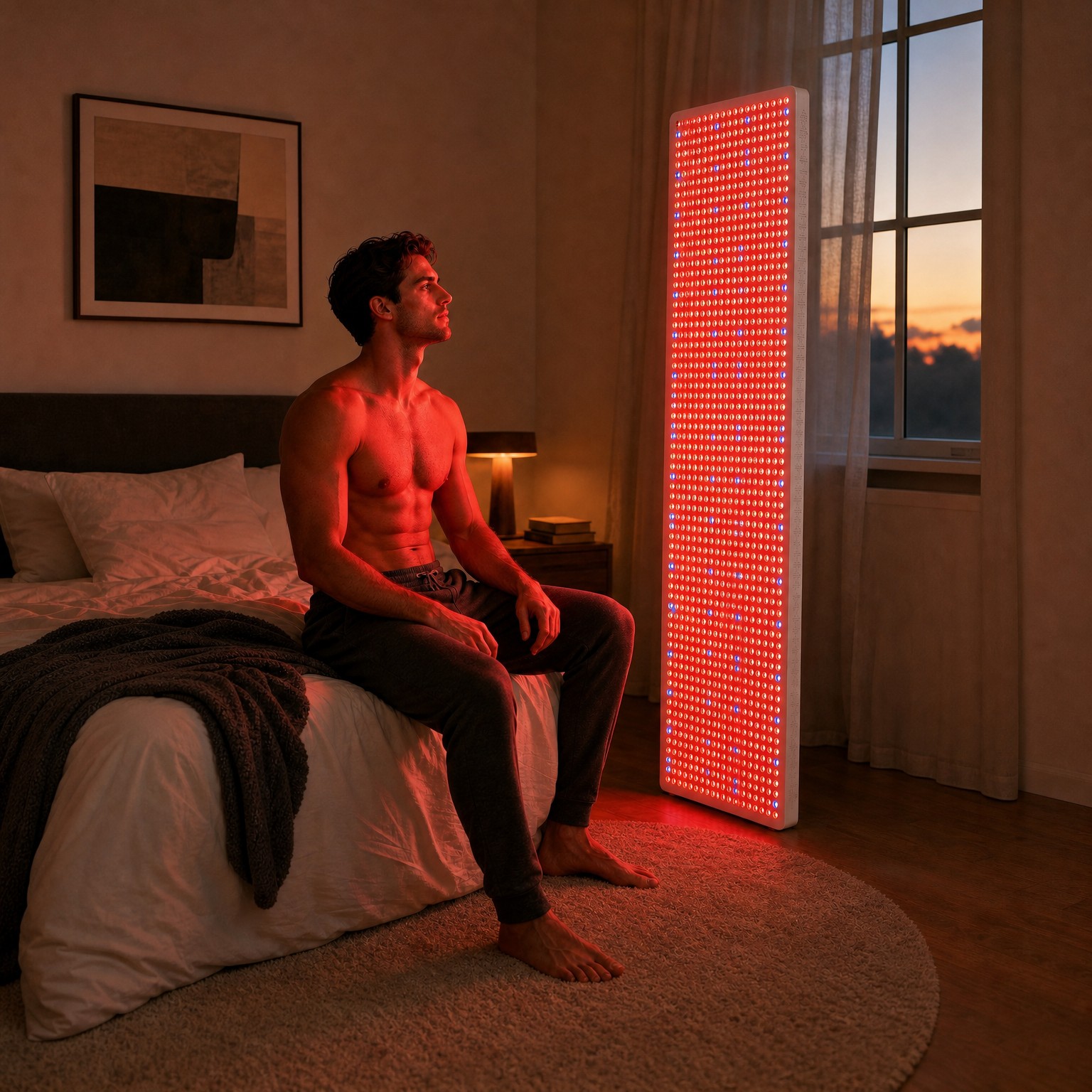
Photobiomodulation therapy is a noninvasive treatment that uses controlled red or near-infrared light to support natural cell activity. Photobiomodulation therapy delivers light energy through LEDs or laser diodes placed near the skin. Photobiomodulation therapy does not cut, burn, or inject tissue, making it suitable for people seeking a gentle care option. The light can reach surface and deeper tissues, depending on wavelength, power, and treatment distance. Photobiomodulation therapy is designed to stimulate cellular energy production and encourage healthy circulation. Photobiomodulation therapy may also help manage temporary discomfort, swelling, muscle tension, and slow tissue recovery. A typical photobiomodulation therapy system includes a handheld applicator, flexible panel, treatment pad, or full-body light bed. Digital controls often let users select session time, intensity, and treatment mode. Photobiomodulation therapy devices may use red light for more surface-level needs and near-infrared light for deeper areas. Sensors, timers, cooling features, and preset programs can make operation more consistent. Photobiomodulation therapy can be provided in clinics, wellness centers, rehabilitation facilities, sports settings, and suitable home environments. Its practical purpose is to support recovery without downtime or medication-based intervention. Treatment plans vary according to the device, target area, session length, and professional guidance. Photobiomodulation therapy is not a replacement for diagnosis or emergency care, but it can complement a broader wellness or recovery plan. Buyers should review wavelength ranges, safety controls, coverage area, certifications, warranty terms, and user training before selecting equipment. In short, photobiomodulation therapy combines adjustable light technology with a comfortable, repeatable approach to tissue support and everyday recovery.