Pulsed Red Light Therapy: Complete Guide

pulsed red light therapy

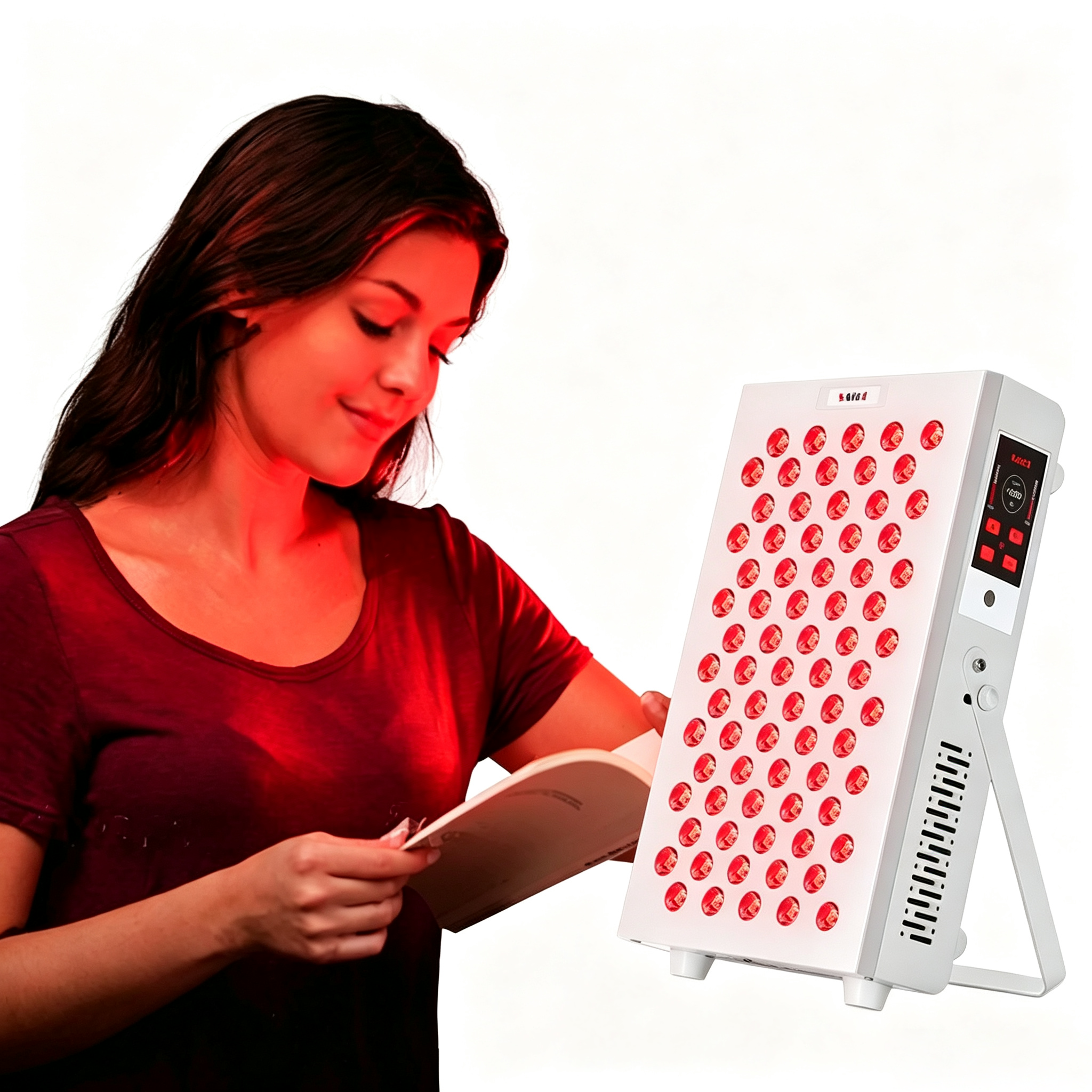
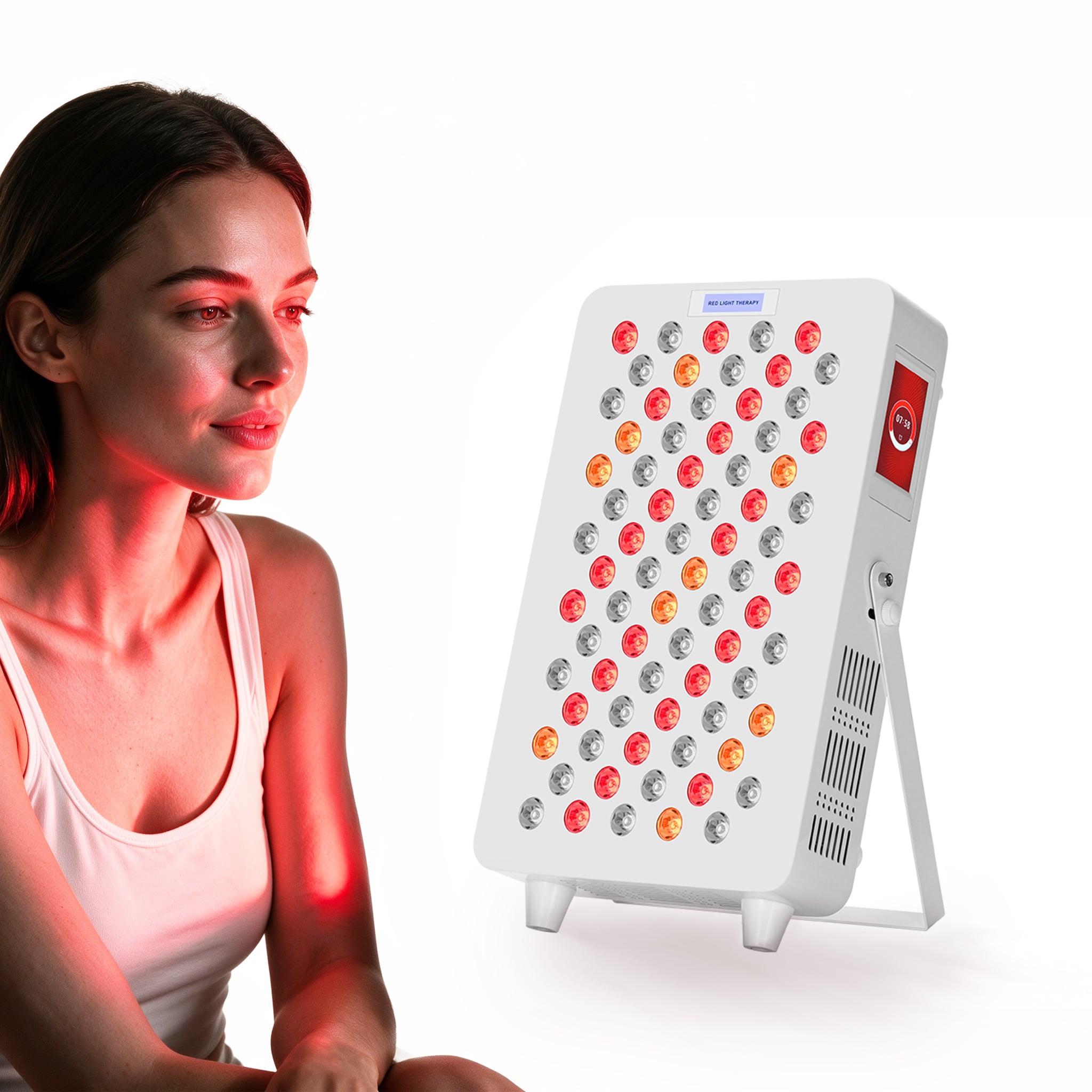
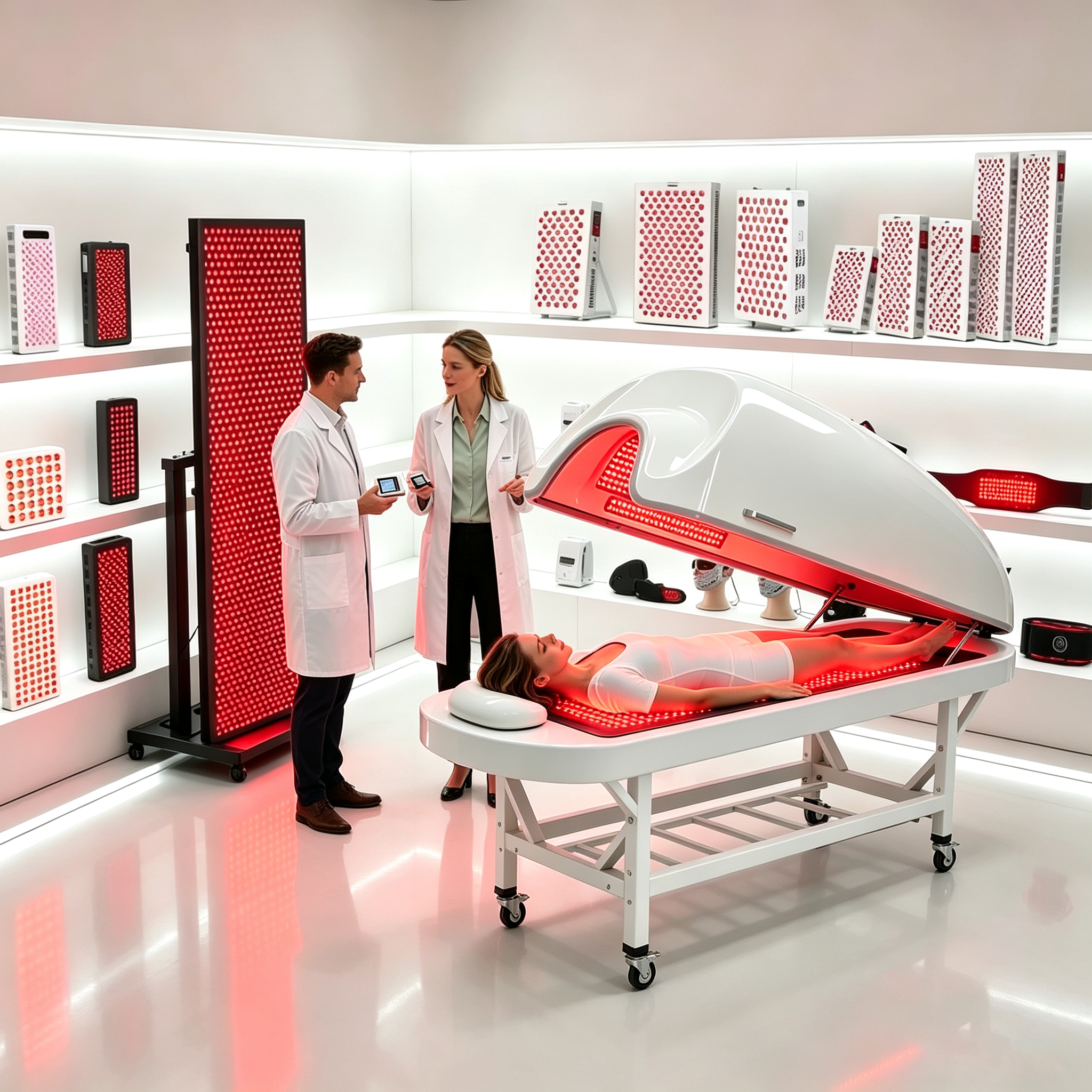
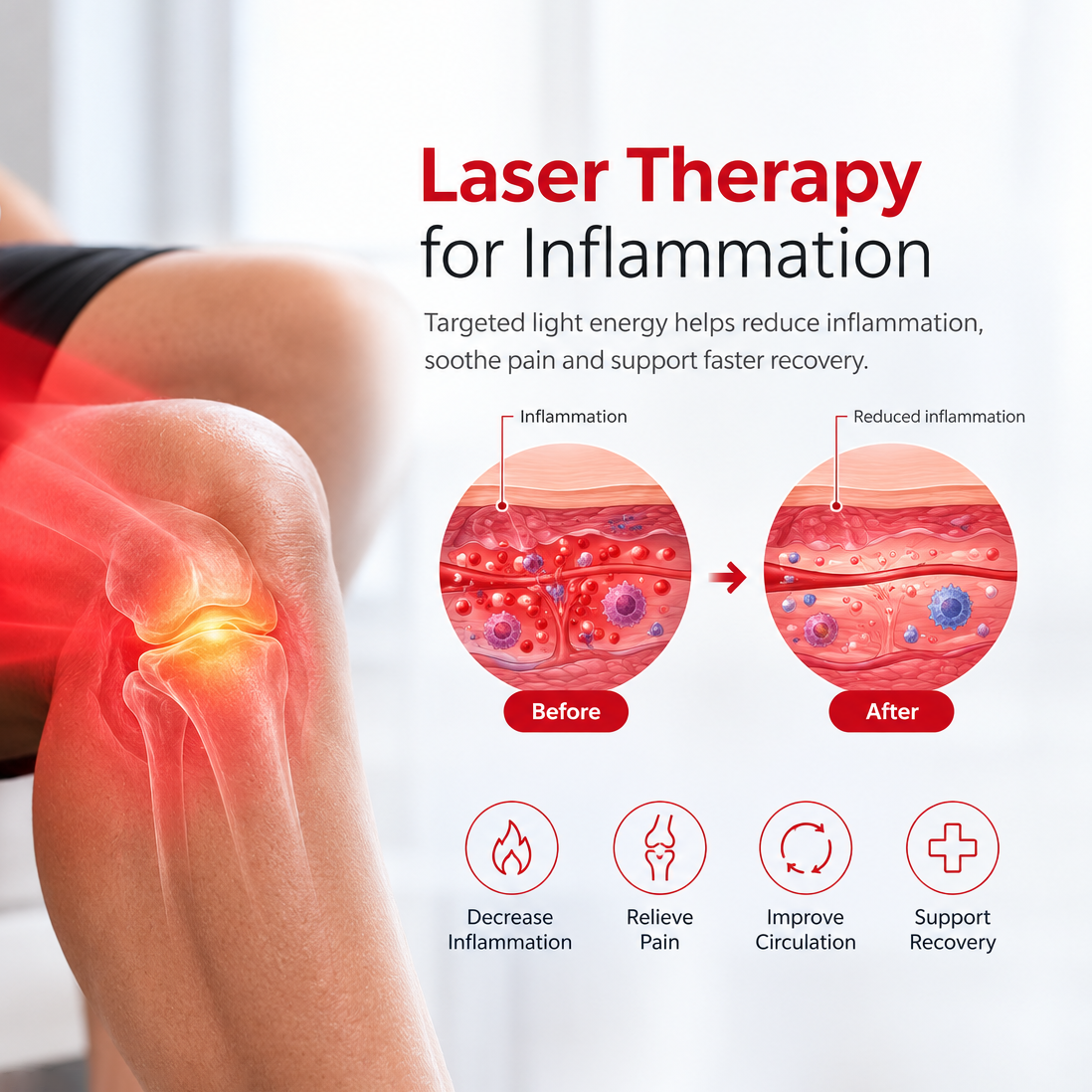
Pulsed red light therapy is a non-invasive wellness treatment that uses timed bursts of red and near-infrared light to support the body. Unlike continuous light devices, pulsed red light therapy switches the light output on and off at set intervals. This design can create a controlled treatment experience while keeping sessions comfortable and easy to manage. A pulsed red light therapy device usually includes LED panels, a control screen, adjustable intensity, and selectable pulse settings. By directing light toward the skin, pulsed red light therapy may support circulation, cellular energy, muscle comfort, skin appearance, and post-exercise recovery. Most systems let users choose session duration and treatment strength, helping them build a routine that suits their goals. The device may be used on the face, joints, back, legs, or larger areas, depending on its size and shape. Modern pulsed red light therapy equipment often combines red wavelengths for surface-level use with near-infrared wavelengths for deeper reach. Some models add timers, memory settings, cooling vents, protective eyewear, stands, or flexible panels. For home users, pulsed red light therapy offers a convenient option that does not require needles, creams, or downtime. Professional studios, fitness centers, wellness clinics, and recovery spaces can also use pulsed red light therapy as part of a broader service menu. With regular use and realistic expectations, pulsed red light therapy can fit into everyday wellness plans. As with any light-based product, users should follow instructions, protect their eyes when advised, and consult a qualified professional if they have medical concerns or take light-sensitive medication.

Popular Products

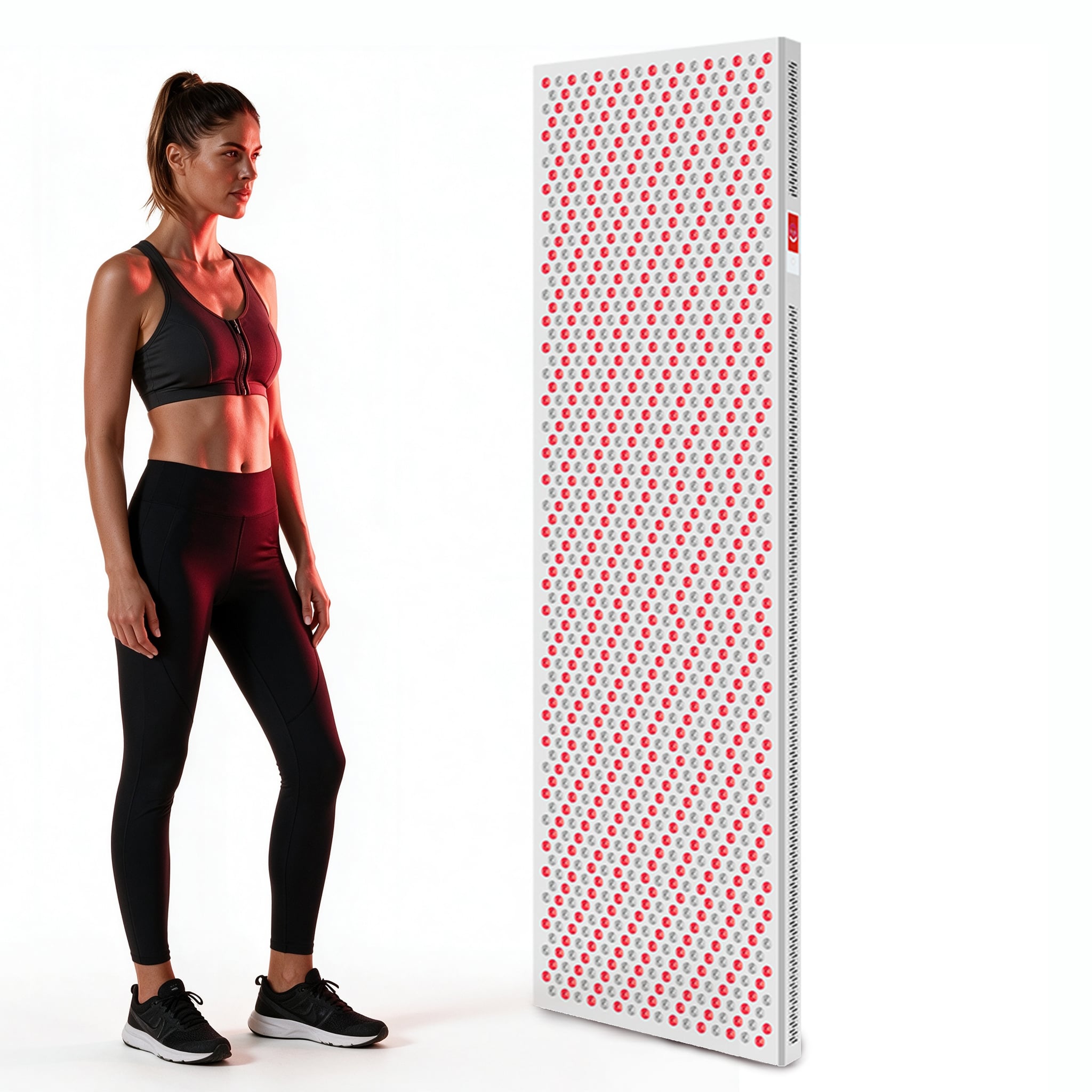
Pulsed red light therapy gives buyers a practical way to add light-based care to a home, clinic, gym, or wellness business. The main advantage is convenience. Users can complete pulsed red light therapy sessions while standing, sitting, or resting, and many devices need only a power outlet and a small amount of setup. This makes treatment easier to repeat than appointments that require travel. For people seeking support for skin appearance, everyday muscle comfort, or recovery after activity, pulsed red light therapy can offer a simple, non-contact option. It does not involve injections, harsh chemicals, or recovery time, which may help users return to normal tasks immediately. Adjustable settings also improve buyer value. A person can select a lower output for a first session, while a professional operator can create consistent routines for different customers. Timers reduce guesswork and help prevent unnecessarily long sessions. Large panels can treat several body areas, while compact units suit desks, bathrooms, and small treatment rooms. For commercial buyers, pulsed red light therapy may support efficient scheduling because one device can serve multiple purposes. Easy controls, wipe-clean surfaces, stable stands, and replaceable parts can reduce daily handling and maintenance. Buyers should compare wavelength ranges, treatment area, power controls, warranty terms, safety guidance, and expected operating life before choosing a model. A flexible pulsed red light therapy system may cost more upfront but deliver wider application value. It is important to view pulsed red light therapy as a wellness support tool rather than a guaranteed medical cure. Clear instructions, comfortable positioning, and consistent use matter more than impressive claims. When matched to a suitable goal, pulsed red light therapy can provide repeatable, accessible, and user-friendly support.

Latest News

Which Features Matter in Red Light Therapy Devices for Veterinary Clinics?

01

Oct

Which Features Matter in Red Light Therapy Devices for Veterinary Clinics?

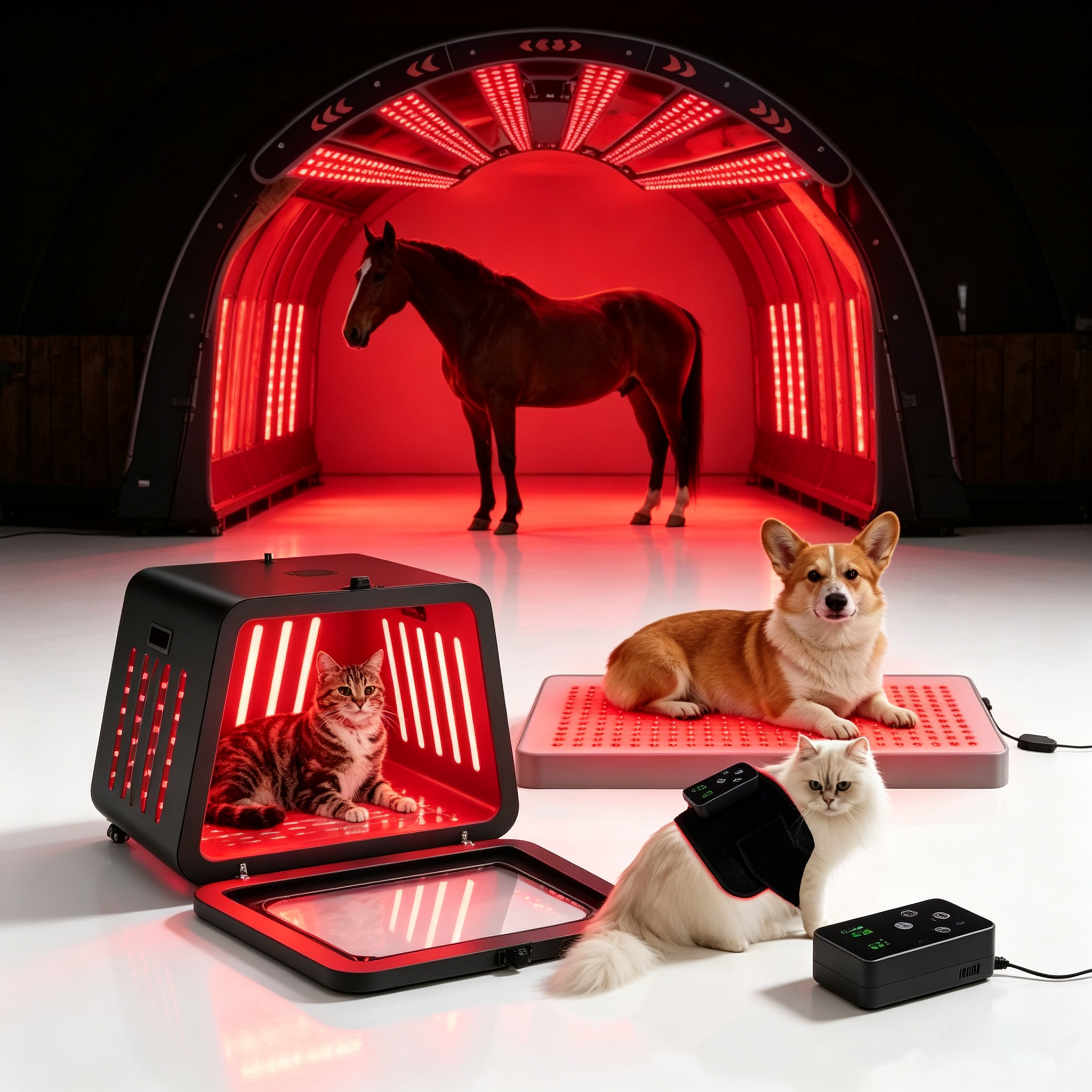
Veterinary clinics increasingly recognize the therapeutic value of light-based treatments for animal patients. Understanding which features matter most in pet red light devices is essential for clinicians selecting equipment that delivers measurable ...
View More
What Is Medical Red Light Technology and Where Is It Commonly Used?

29

Oct

What Is Medical Red Light Technology and Where Is It Commonly Used?

Medical red light technology has emerged as a powerful therapeutic tool in modern healthcare, offering non-invasive solutions for tissue healing and cellular regeneration. This sophisticated approach leverages specific light wavelengths to stimulate ...
View More
What Safety Features Should Buyers Check in Laser Therapy Devices?

22

Oct

What Safety Features Should Buyers Check in Laser Therapy Devices?

When selecting laser therapy equipment, understanding critical safety features is essential to ensure both patient protection and regulatory compliance. Medical professionals and facility operators must carefully evaluate devices before purchase to a...
View More
What Should Pet Owners Consider When Choosing Red Light Devices?

08

Oct

What Should Pet Owners Consider When Choosing Red Light Devices?

Pet owners increasingly recognize the therapeutic potential of red light devices for their animals, but selecting the right system requires understanding several critical factors. Whether you're considering pet red light therapy for pain relief, woun...
View More

Get a Free Quote

Our representative will contact you soon.
Email
Name
Company Name
Mobile
Message
0/1000

pulsed red light therapy

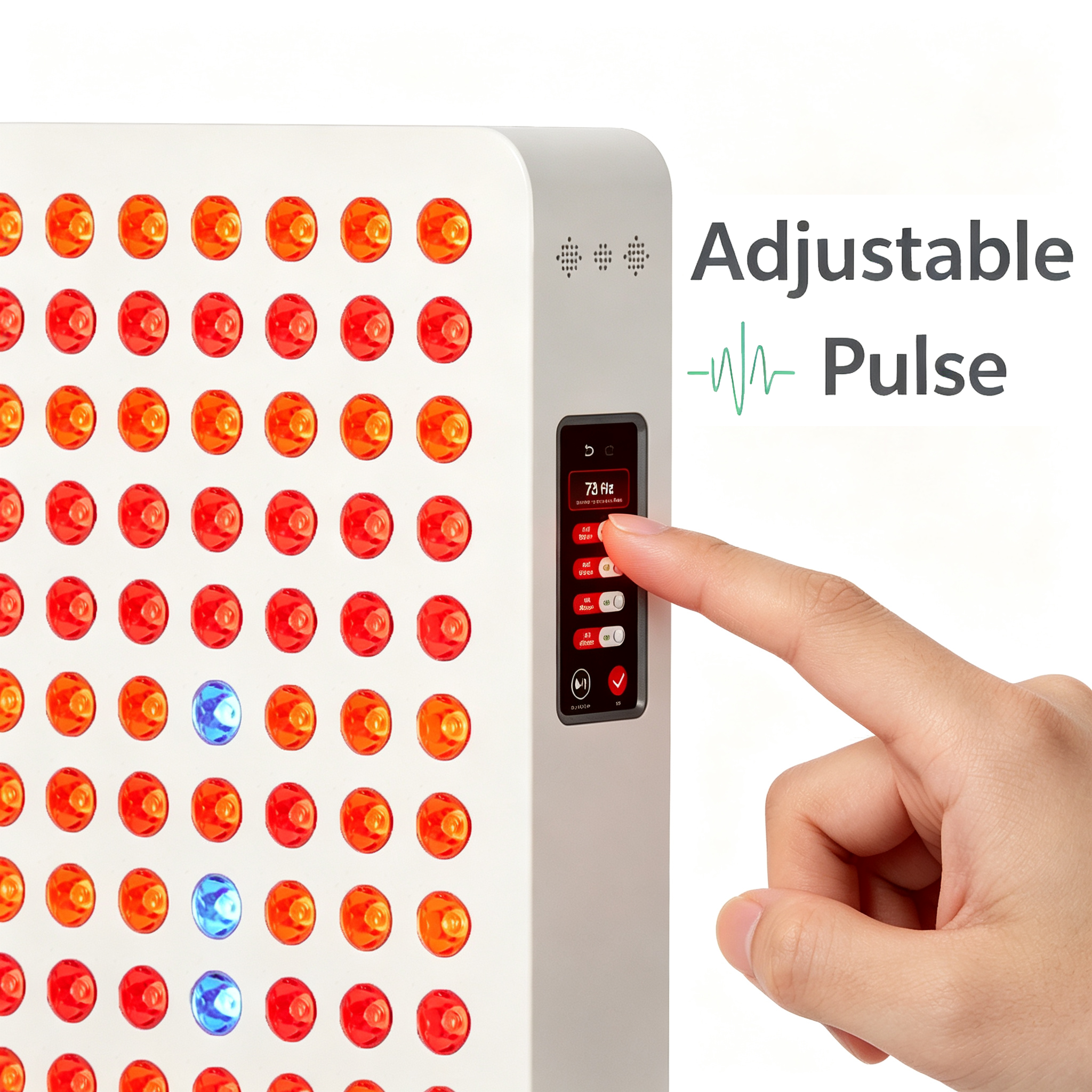
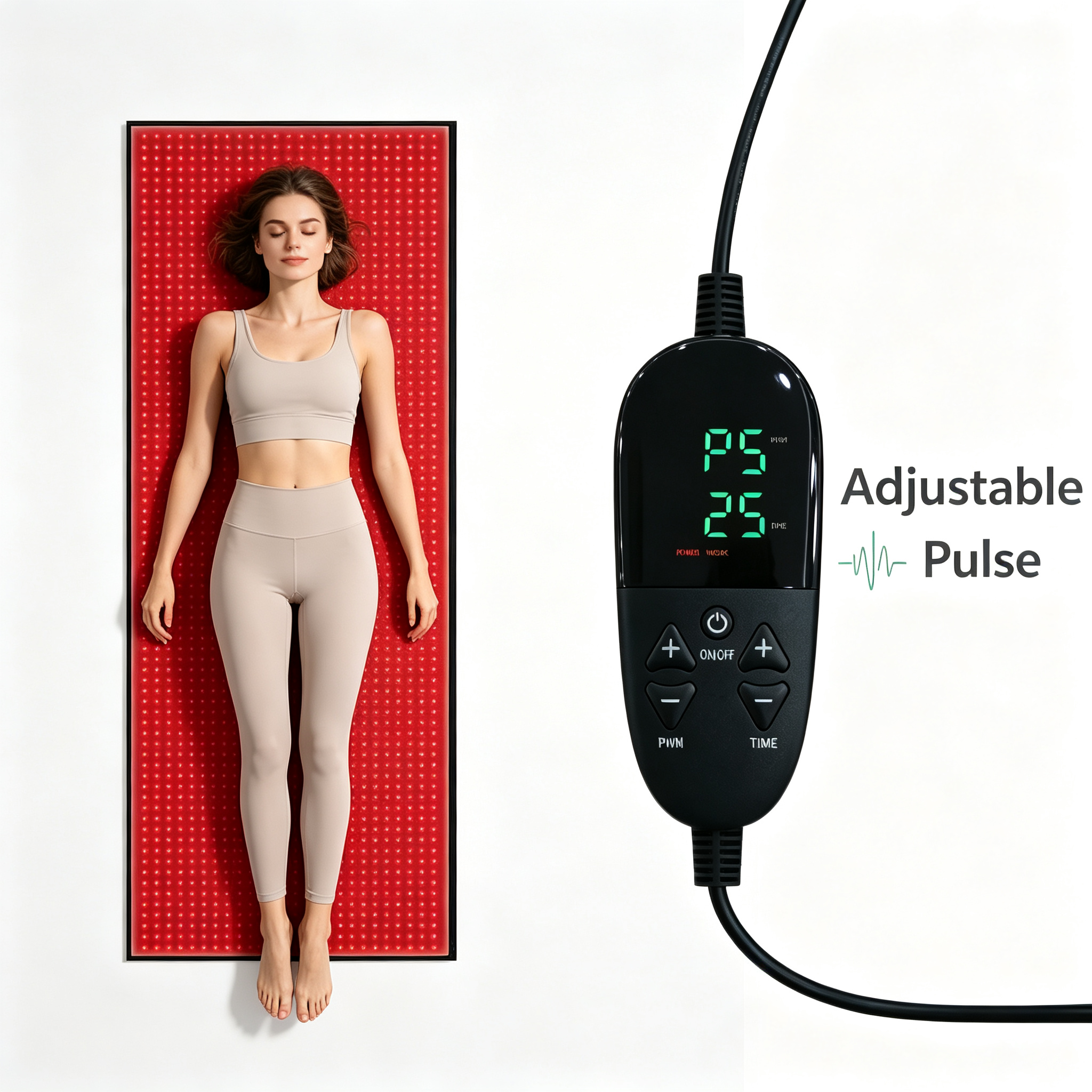
Adjustable Pulses for Controlled Sessions

Adjustable Pulses for Controlled Sessions

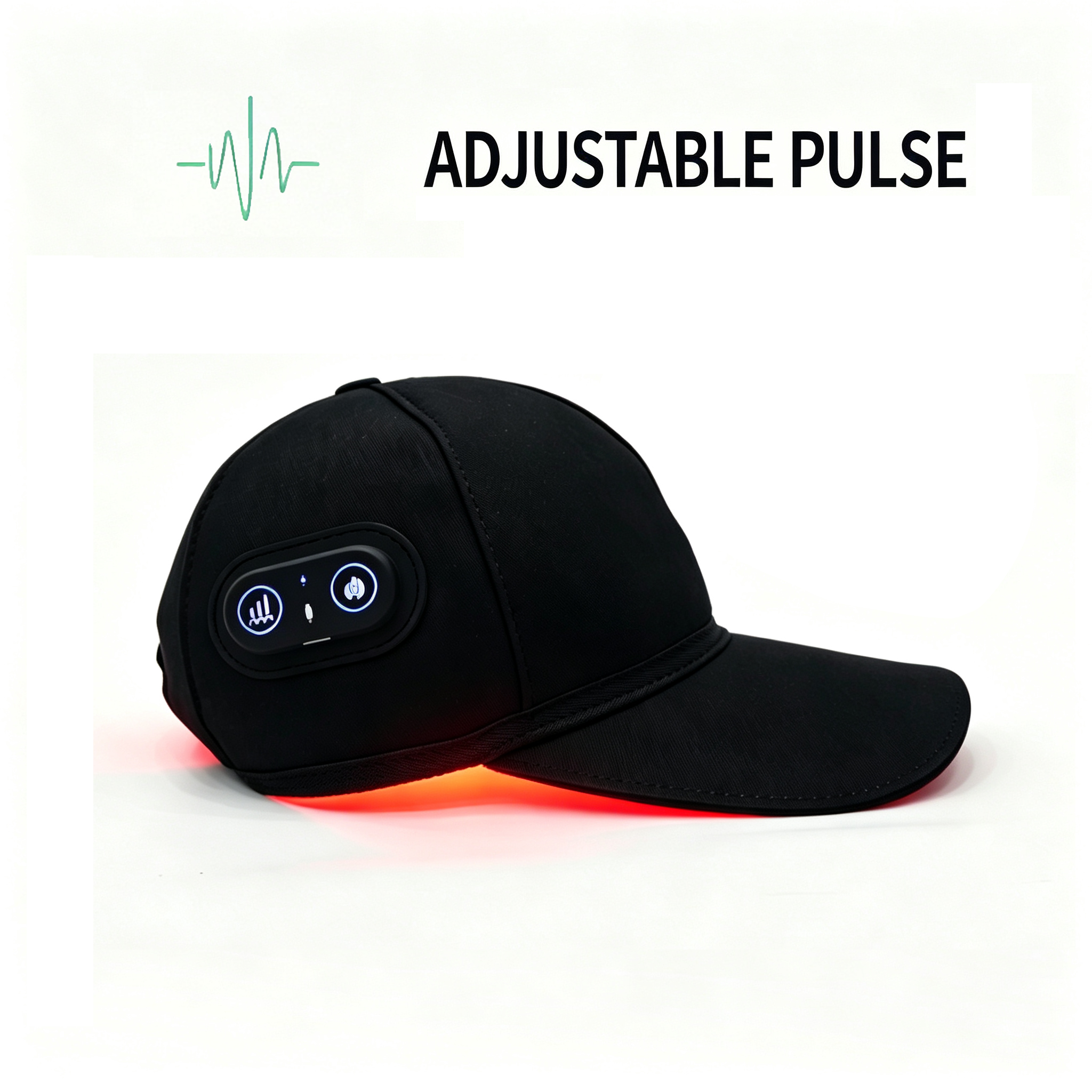
A key strength of pulsed red light therapy is its ability to deliver light in timed intervals rather than using one constant output. This gives users more control over how each session feels and helps them create a repeatable routine. A pulsed red light therapy device with selectable frequency, intensity, and duration can serve beginners, regular home users, and trained operators without requiring separate equipment. Lower settings may suit people introducing light treatment into a routine, while stronger settings may support larger areas when the product instructions allow it. Built-in timers make sessions easier to manage and help users avoid watching the clock. For businesses, consistent controls can improve staff training and customer experience because operators can repeat approved settings. The practical value is flexibility: one system can support facial care, muscle comfort, recovery routines, and general wellness use. Buyers should choose a model with clear controls, readable indicators, and settings that match their intended applications.
Red and Near-Infrared Light in One System

Red and Near-Infrared Light in One System

Many pulsed red light therapy systems combine visible red wavelengths with near-infrared wavelengths, allowing one device to address different treatment preferences. Red light is commonly selected for surface-focused skin routines, while near-infrared light is designed to reach farther into tissue. Together, these options make pulsed red light therapy more versatile than a single-purpose lamp. Users can focus a smaller area such as the face, shoulder, or knee, or select a broader panel for the back and legs. This wavelength choice matters because buyers should match the product to their goals instead of relying only on appearance or marketing claims. A clear specification sheet should identify the wavelength range, output controls, treatment distance, and recommended session time. For clinics and wellness facilities, multiple wavelength options can support a wider menu of services without adding several separate machines. For home users, the combined design saves space and simplifies purchasing. Pulsed red light therapy is most useful when the device provides transparent specifications and straightforward guidance.
Convenient Design for Home and Professional Use

Convenient Design for Home and Professional Use

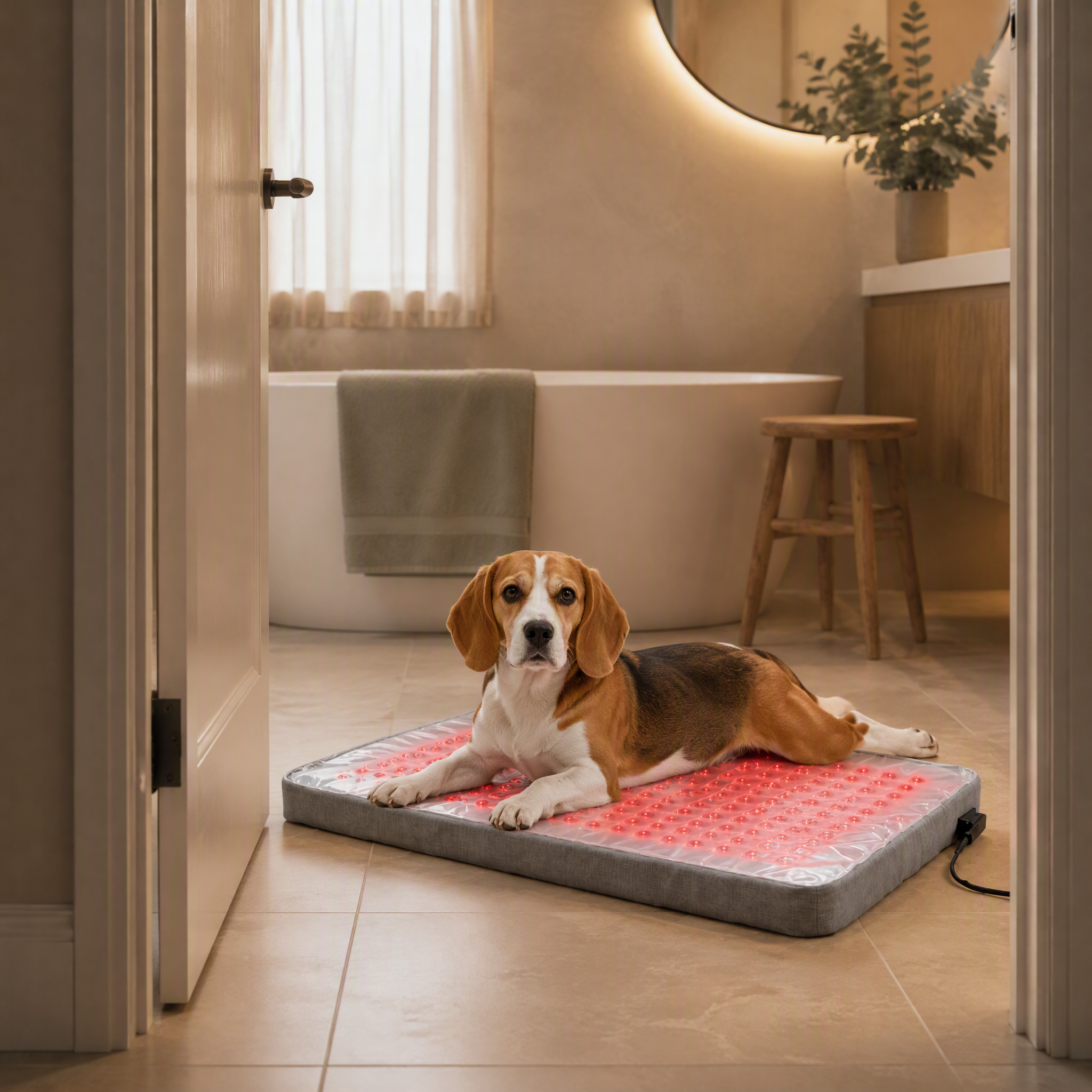
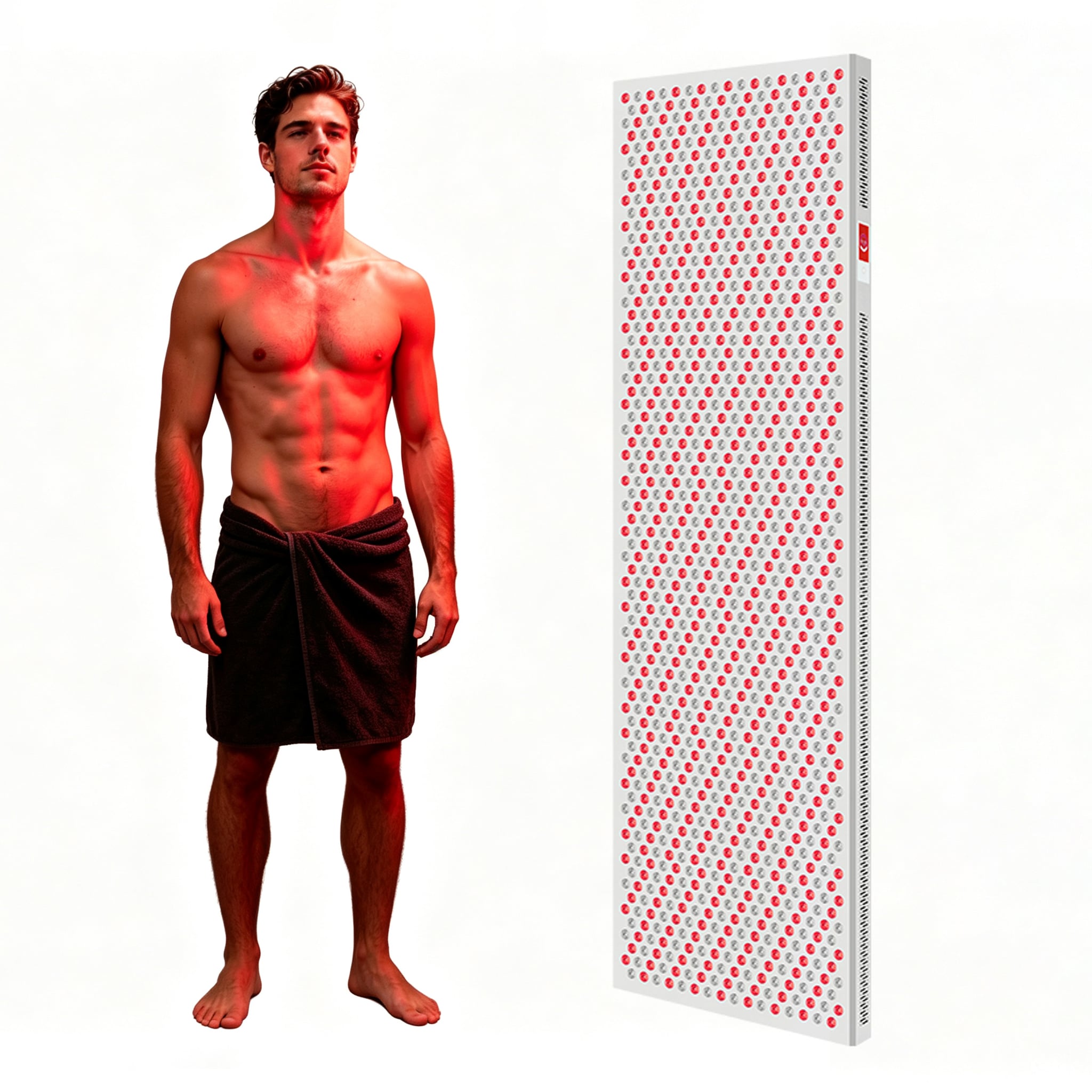
Good pulsed red light therapy equipment fits naturally into the user’s environment. A compact unit can sit on a desk or countertop, while a floor panel or flexible wrap can cover larger areas. Adjustable stands, wall mounts, handles, and lightweight frames make positioning easier and help users direct light consistently. Comfortable placement is important because a routine is more likely to continue when the device does not require awkward stretching or complicated setup. A pulsed red light therapy product with a built-in timer, simple display, quiet cooling, and wipe-clean housing can reduce daily effort. These details also matter to commercial operators who need fast changeovers between customers. Safety features such as automatic shutoff, stable supports, protective eyewear guidance, and clear warnings add confidence without complicating operation. For buyers comparing models, the best choice depends on available space, treatment area, session frequency, and expected number of users. With the right format, pulsed red light therapy becomes an accessible addition to personal care, fitness recovery, and wellness services.

Get a Free Quote

Our representative will contact you soon.
Email
Name
Company Name
Mobile
Message
0/1000