red and infrared light therapy devices
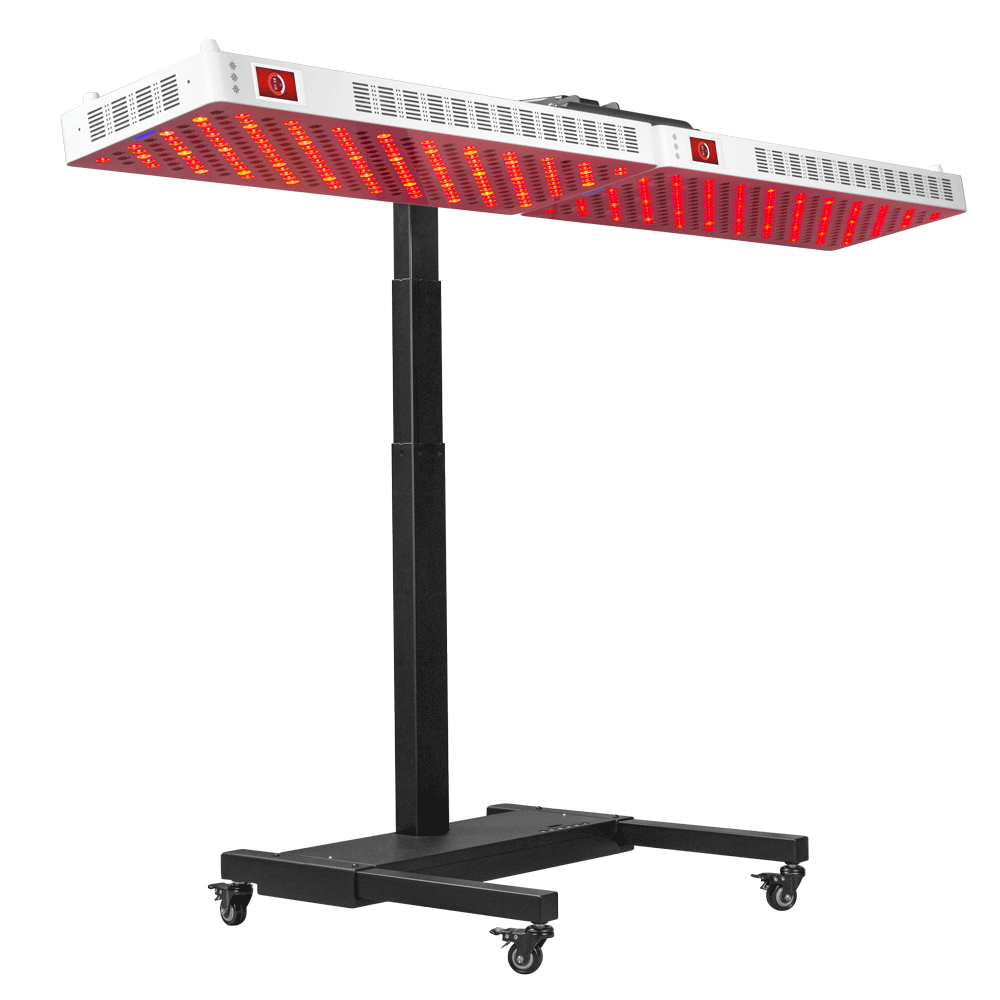
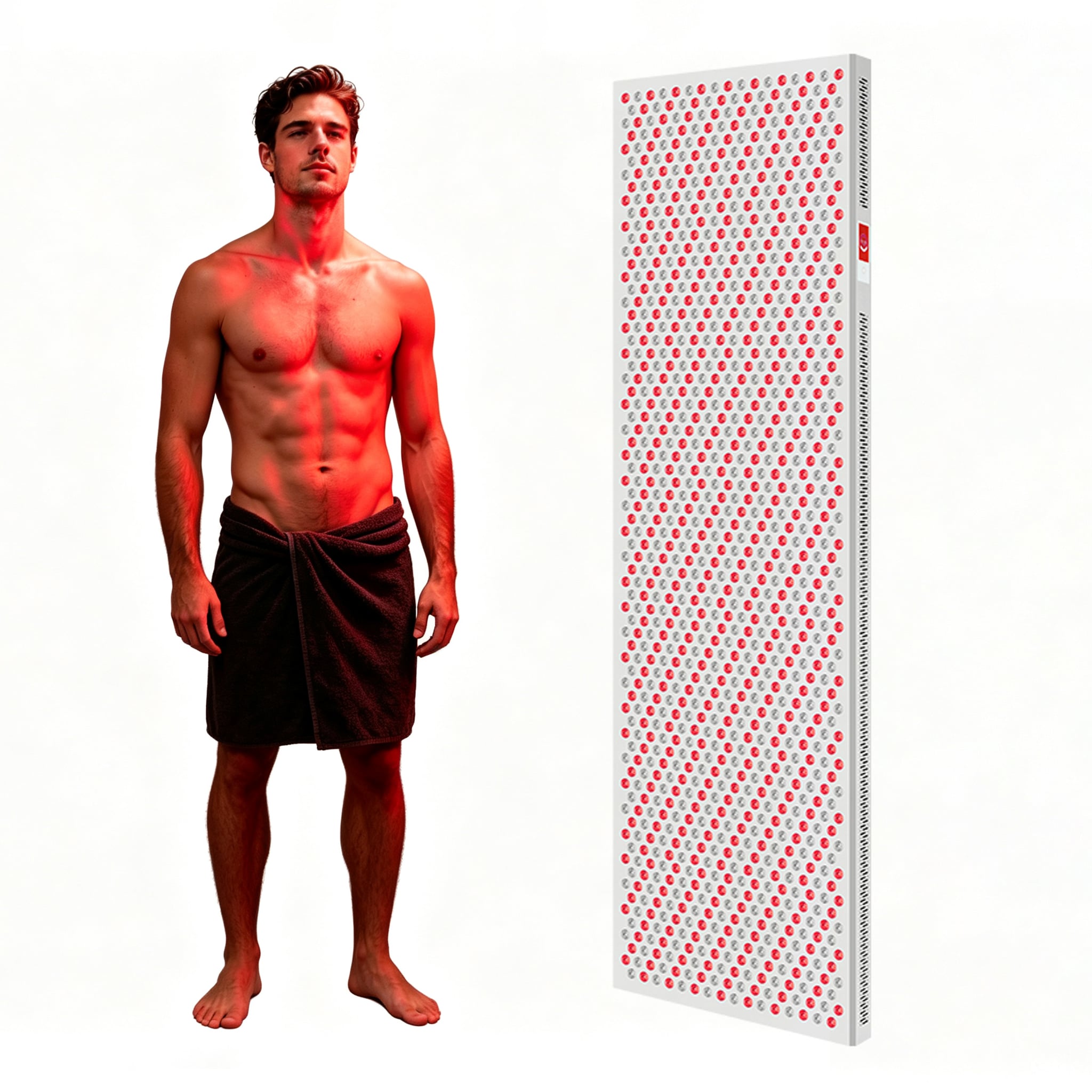
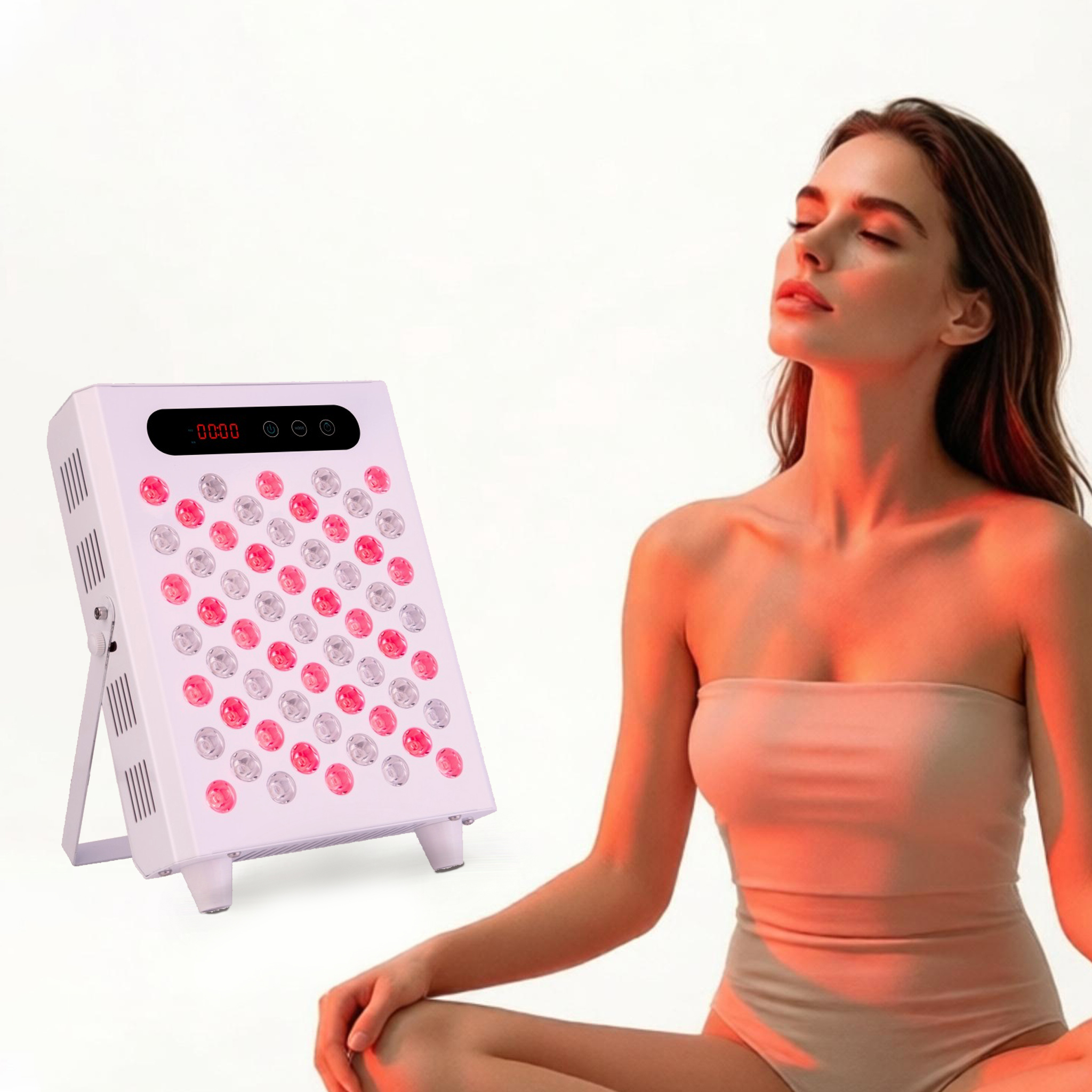
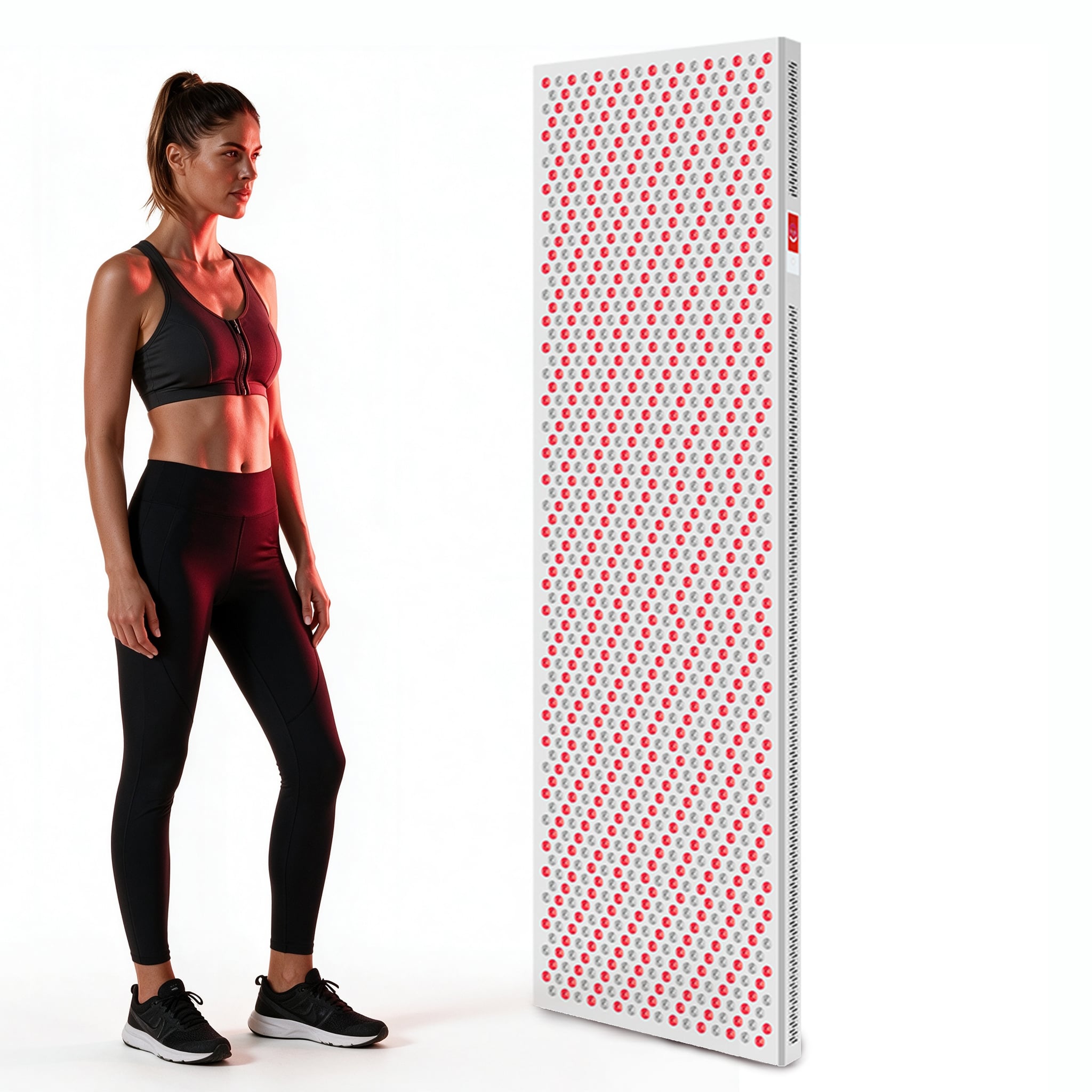
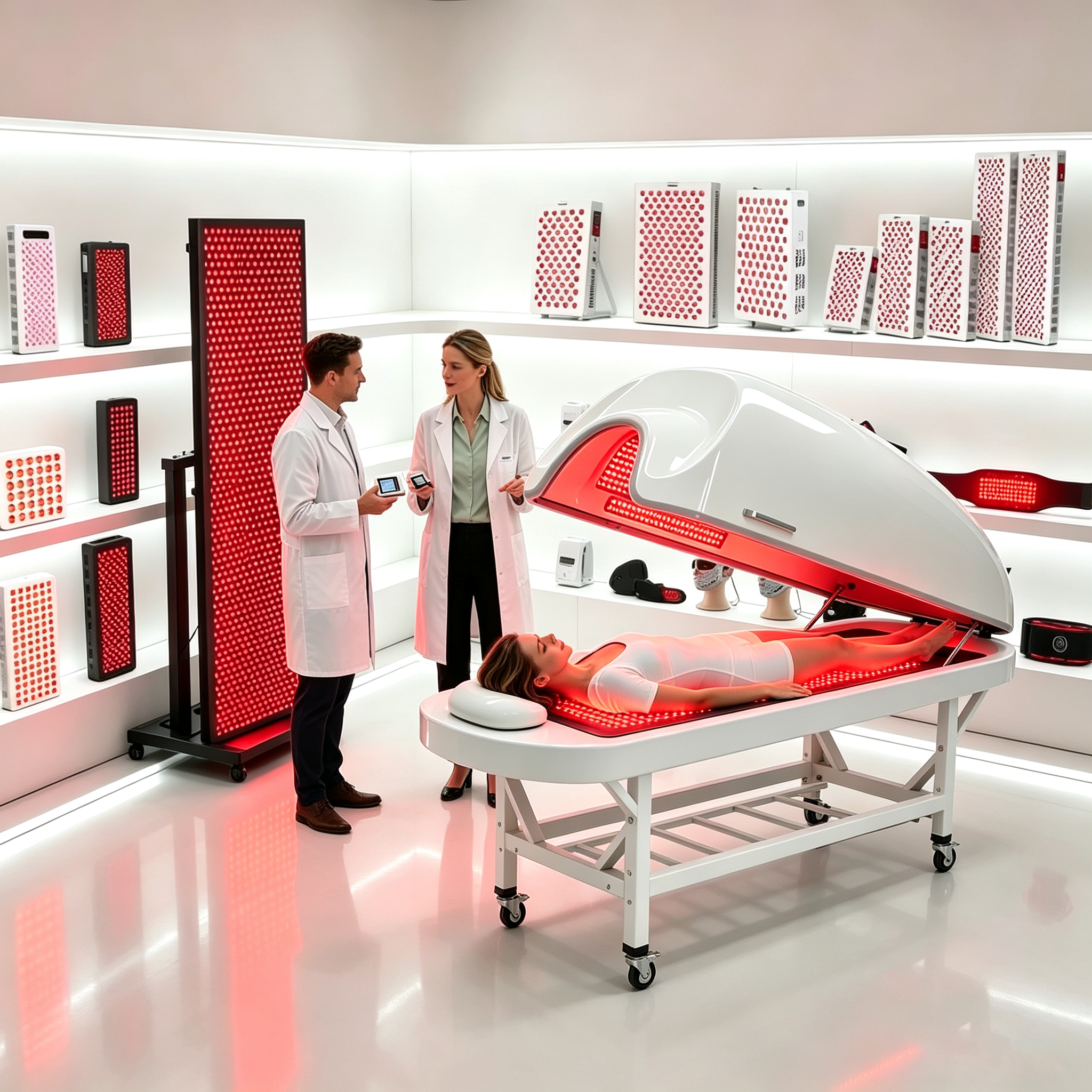
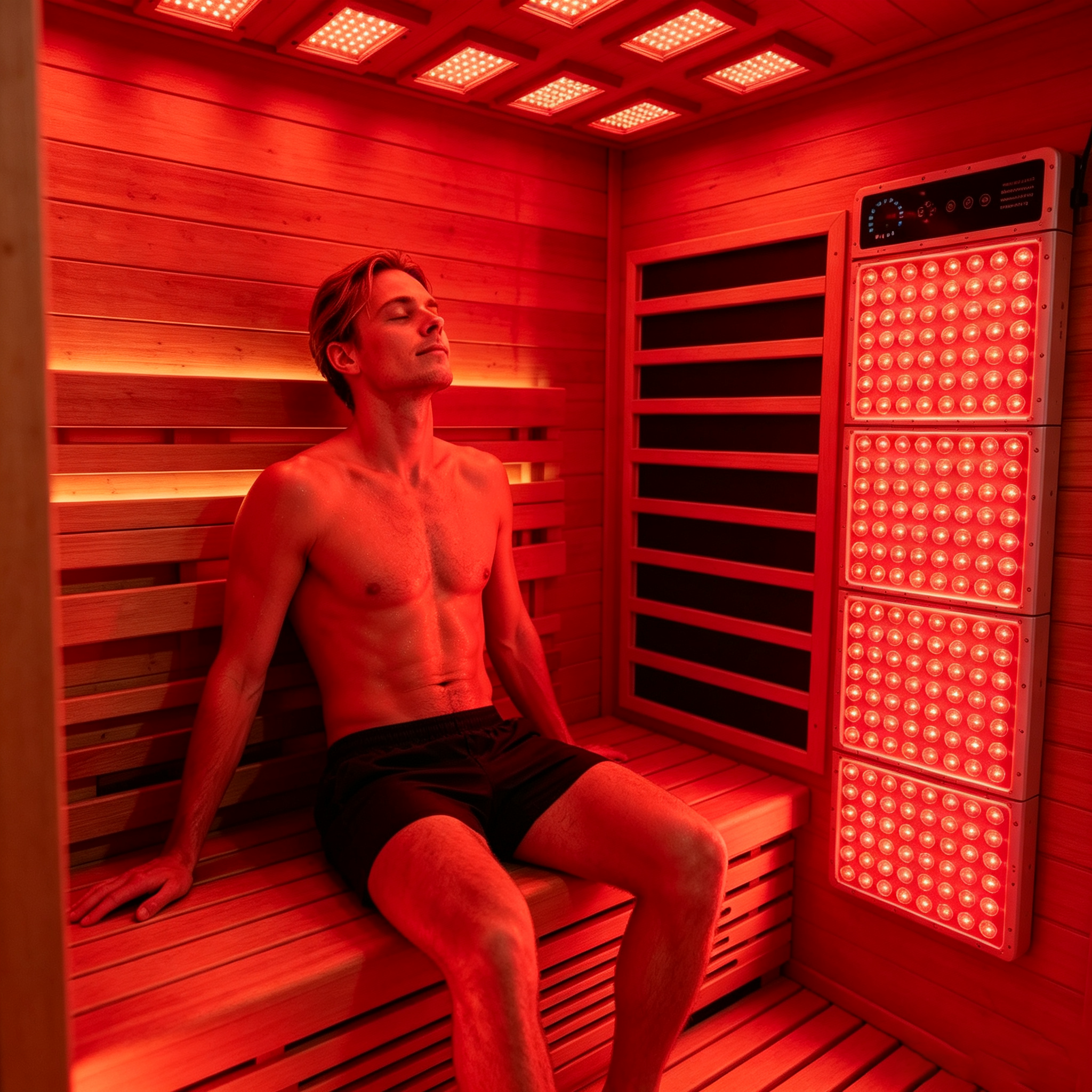
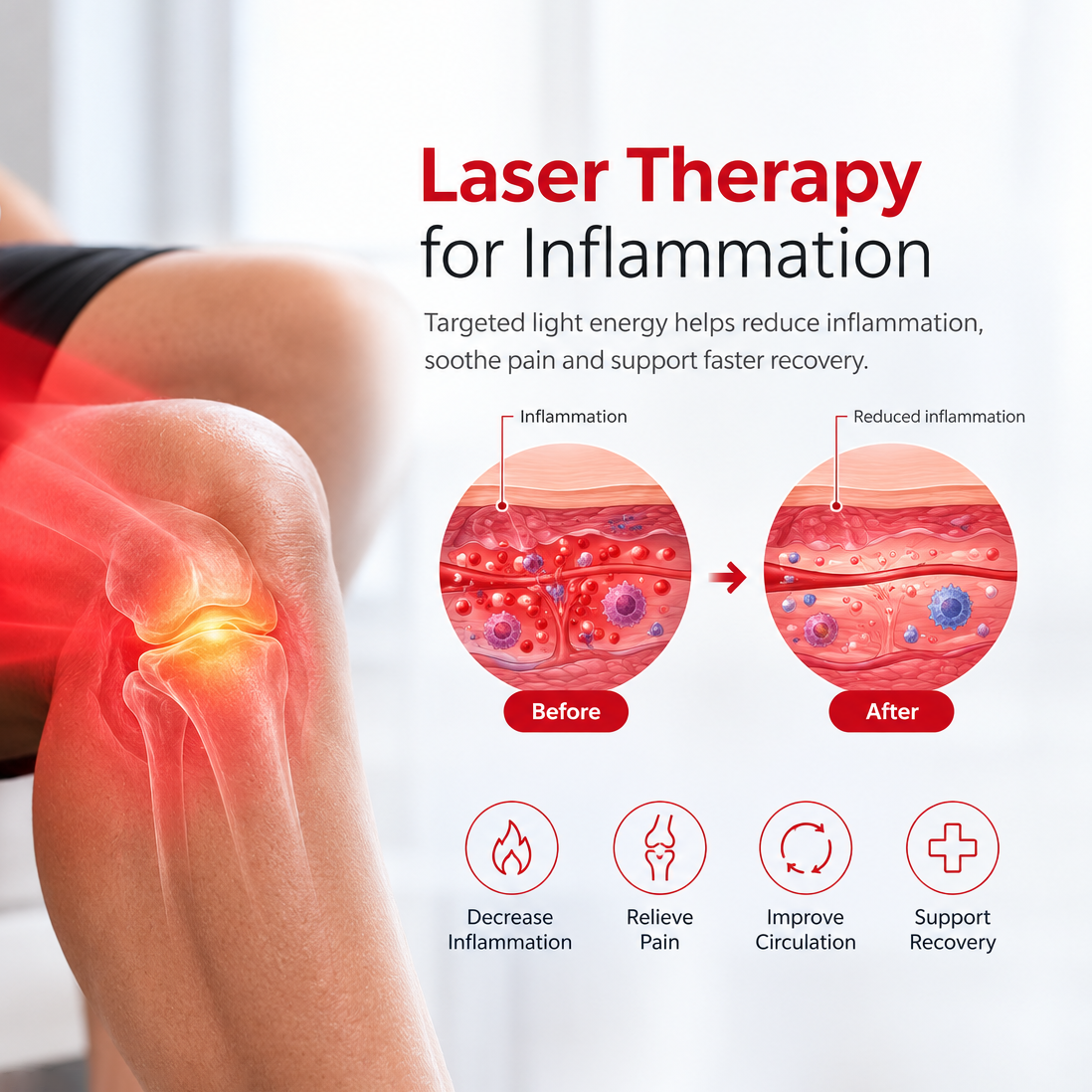
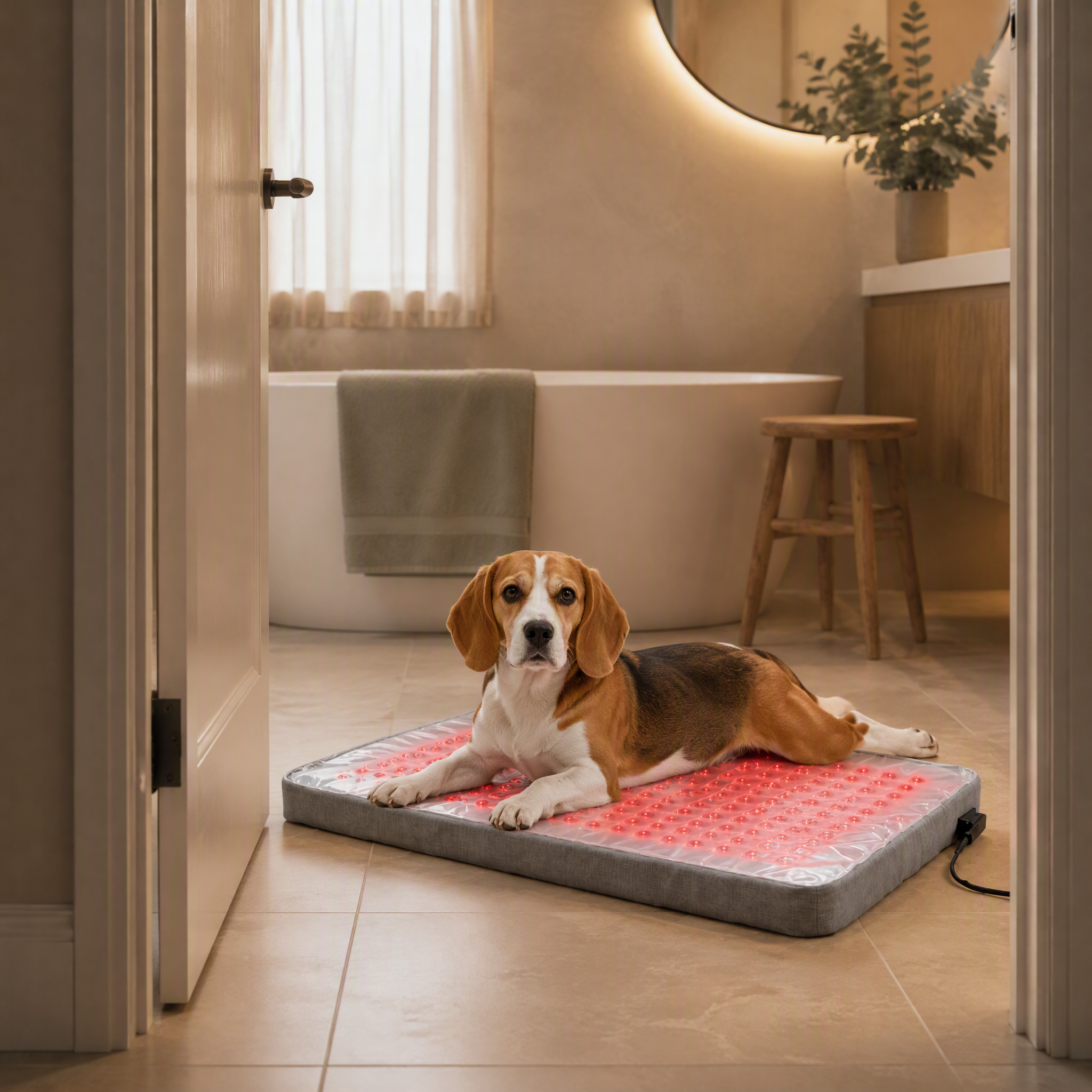
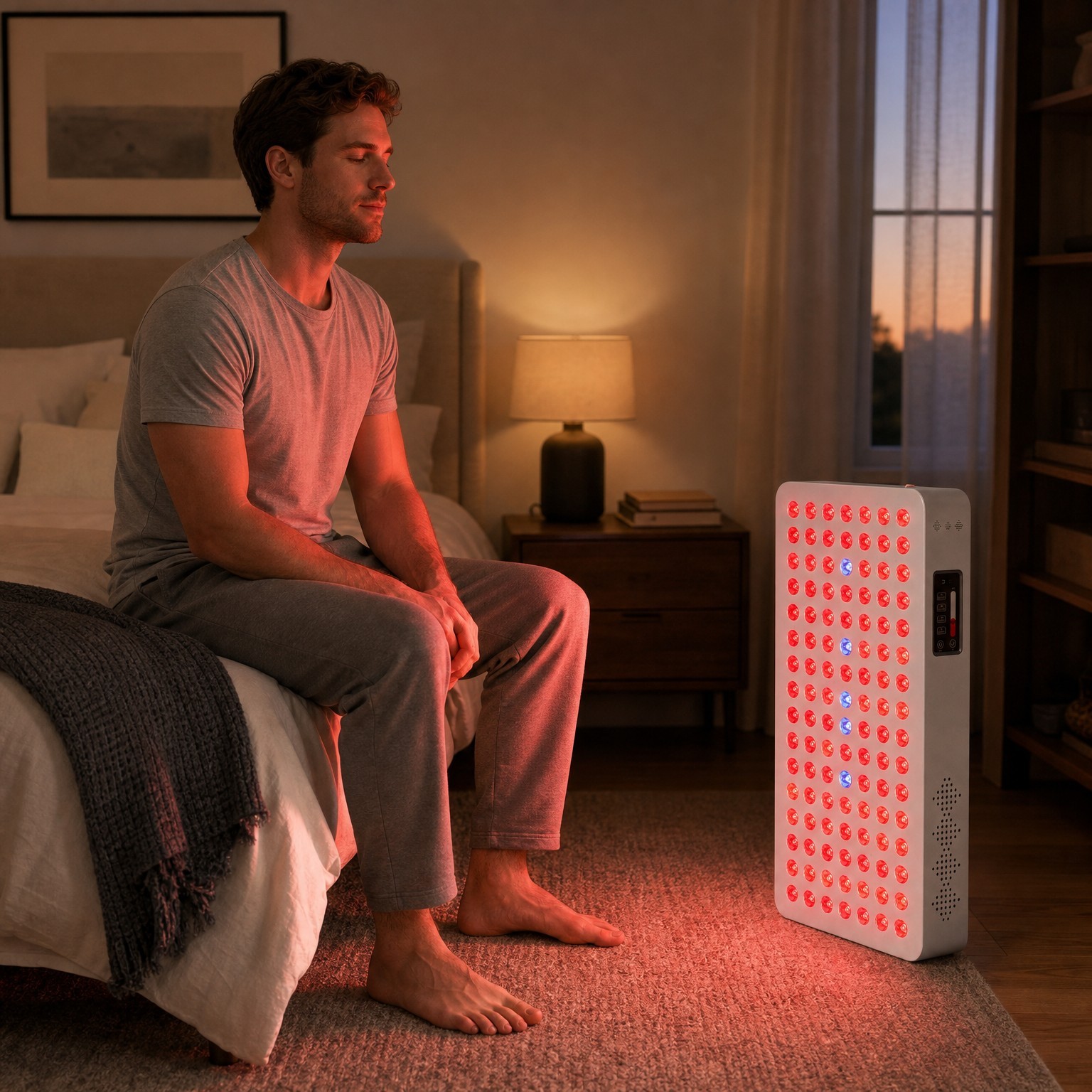
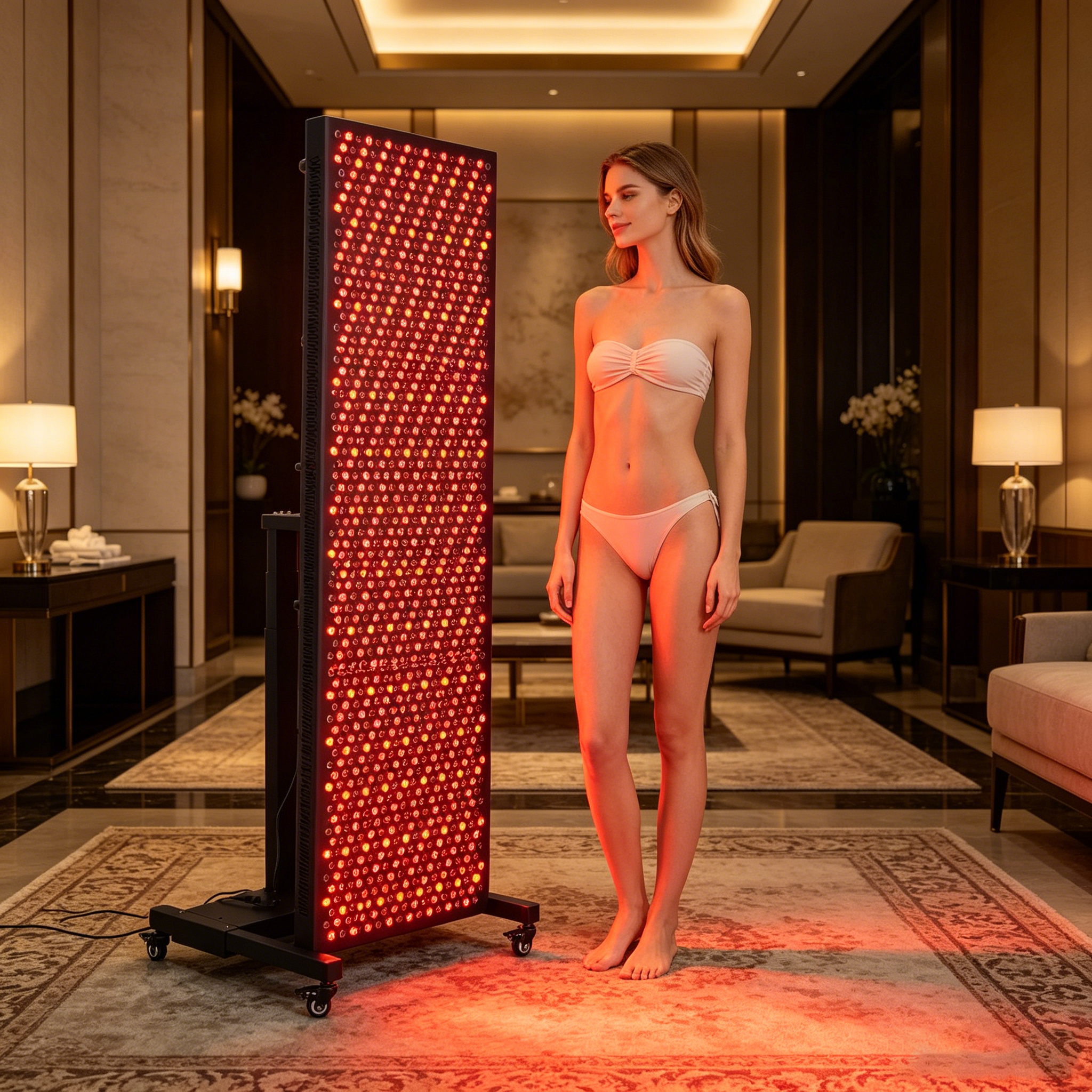
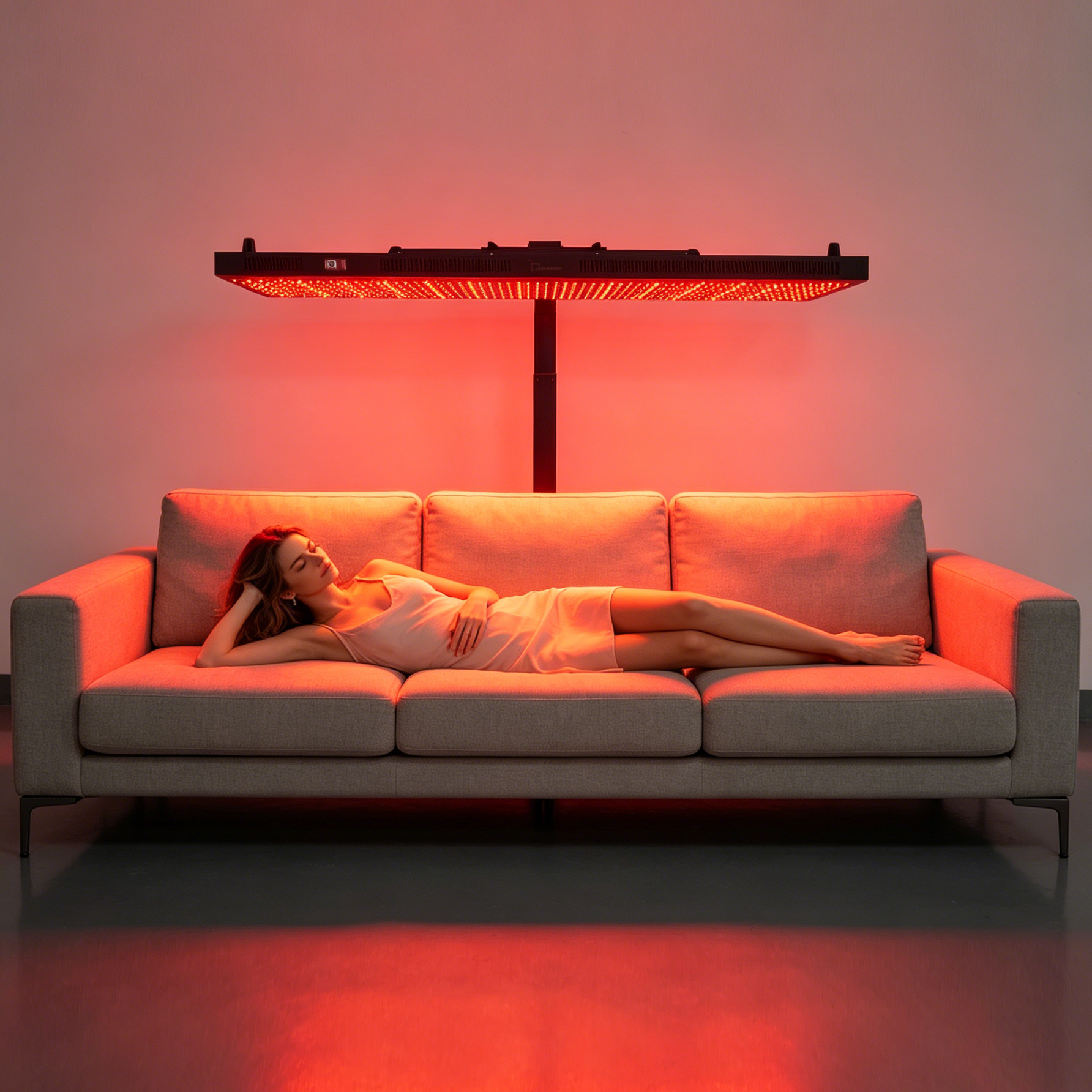
Red and infrared light therapy devices use selected wavelengths of light to support the body without needles, medication, or ultraviolet exposure. Red and infrared light therapy devices commonly combine visible red light, often near 630 to 660 nanometers, with invisible infrared light, often near 810 to 850 nanometers. Red wavelengths target more surface-level areas, while infrared wavelengths can travel farther into tissue. Red and infrared light therapy devices may help support circulation, cellular energy, skin appearance, muscle comfort, and post-exercise recovery. Most red and infrared light therapy devices use LED panels, flexible mats, handheld units, wraps, or wearable masks. Red and infrared light therapy devices usually include a timer, adjustable intensity, and a simple control panel. Some models add pulsing modes, cooling features, remote controls, or preset programs. Red and infrared light therapy devices are available for home users, wellness centers, fitness facilities, beauty clinics, physical therapy settings, and professional practices. A typical session involves placing the device near the target area and allowing the programmed light cycle to run. Red and infrared light therapy devices do not create tanning light and should not feel hot when used correctly. Buyers should check wavelength information, treatment coverage, power output, electrical certification, eye protection guidance, and warranty terms. Red and infrared light therapy devices differ in size, treatment distance, session length, and control options. The best choice depends on the intended body area, desired routine, available space, and budget. Red and infrared light therapy devices are supportive wellness tools, not replacements for diagnosis or medical treatment.