red light therapy
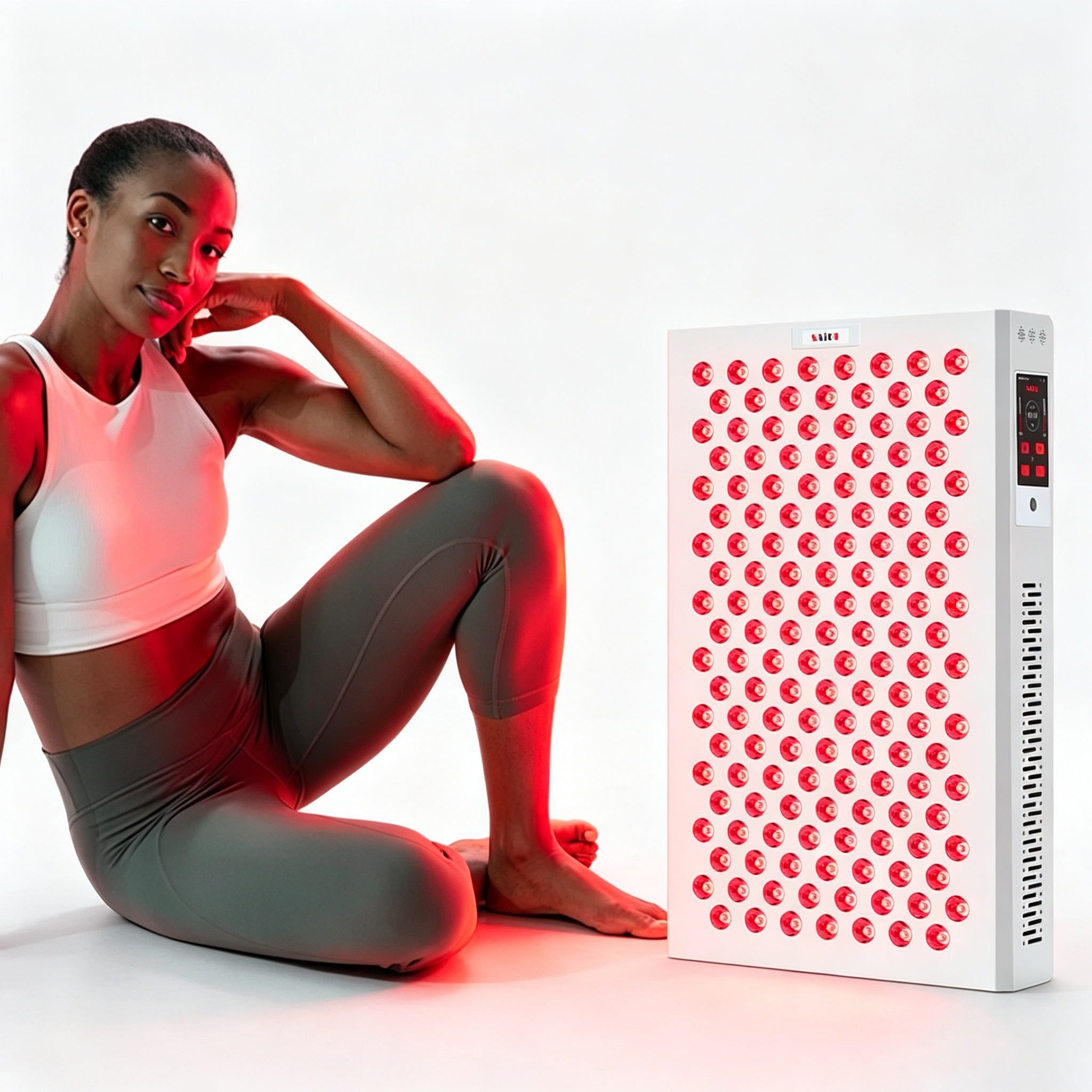
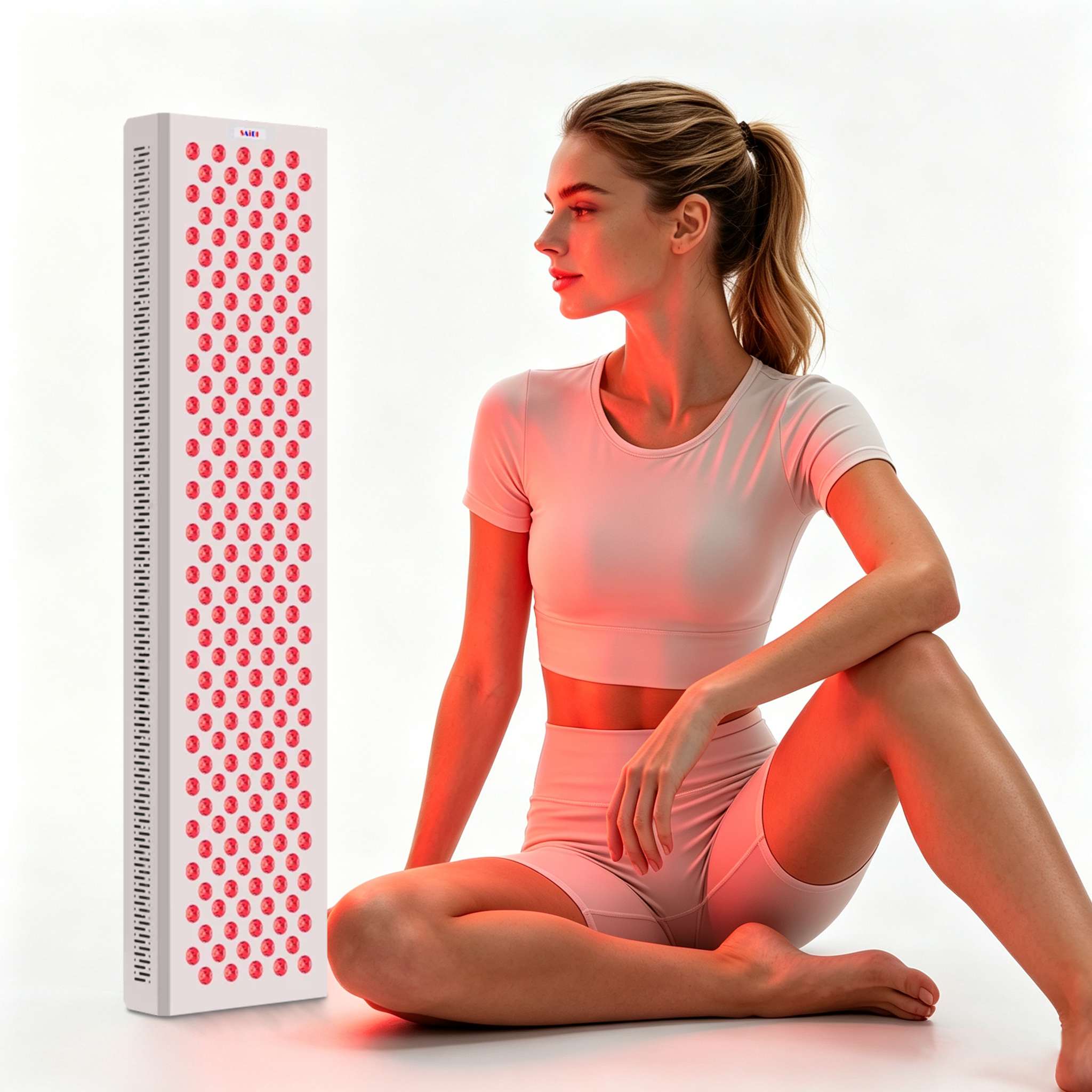
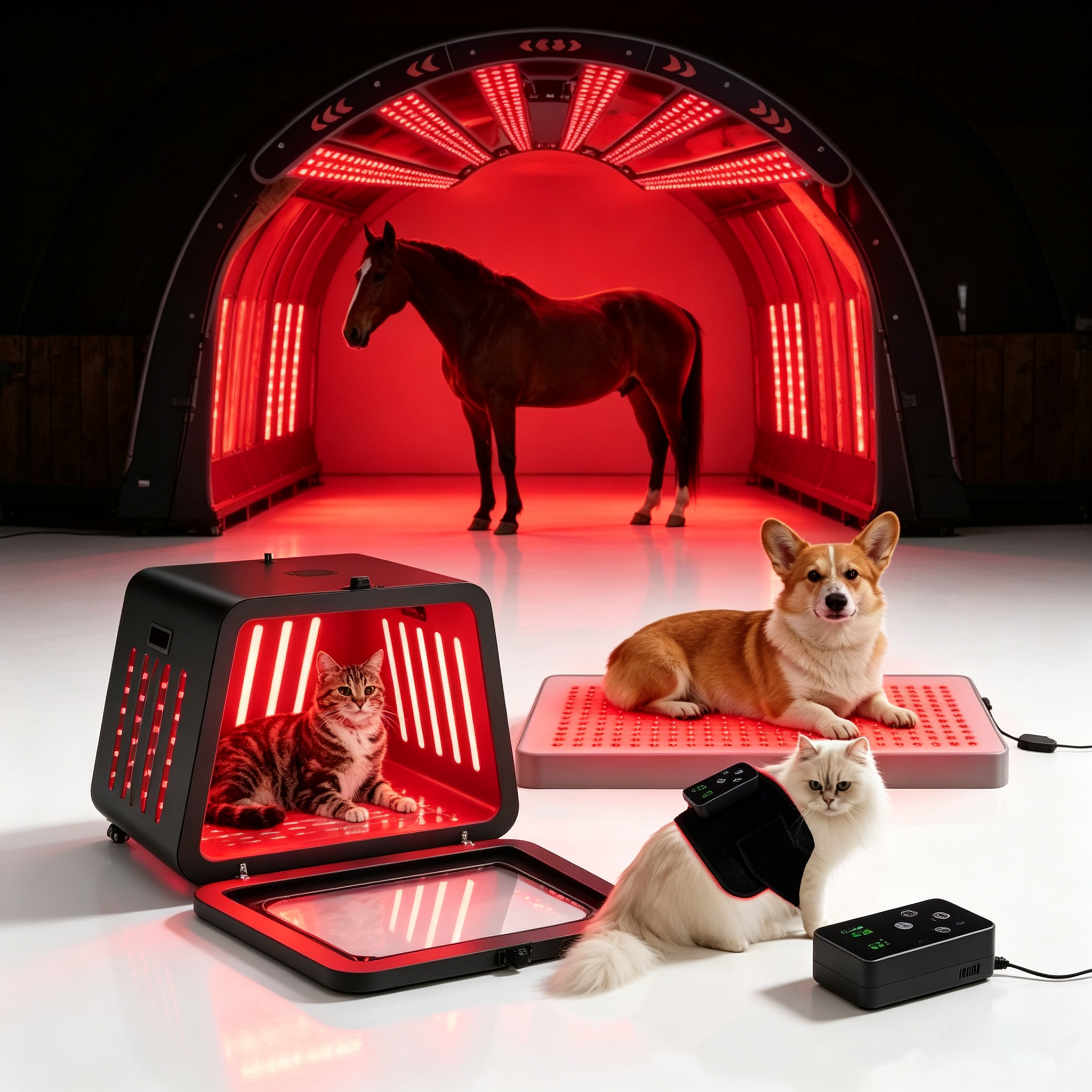
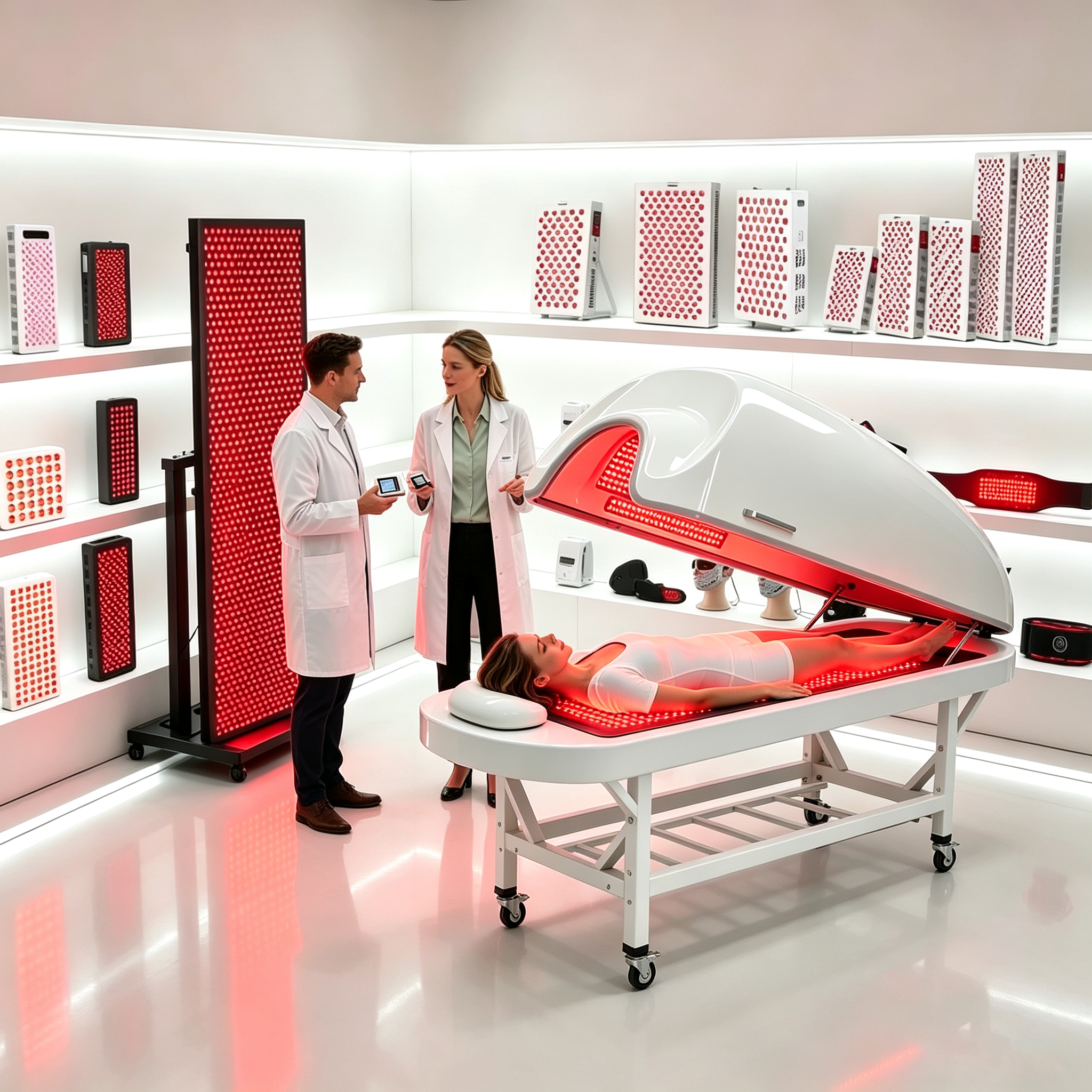
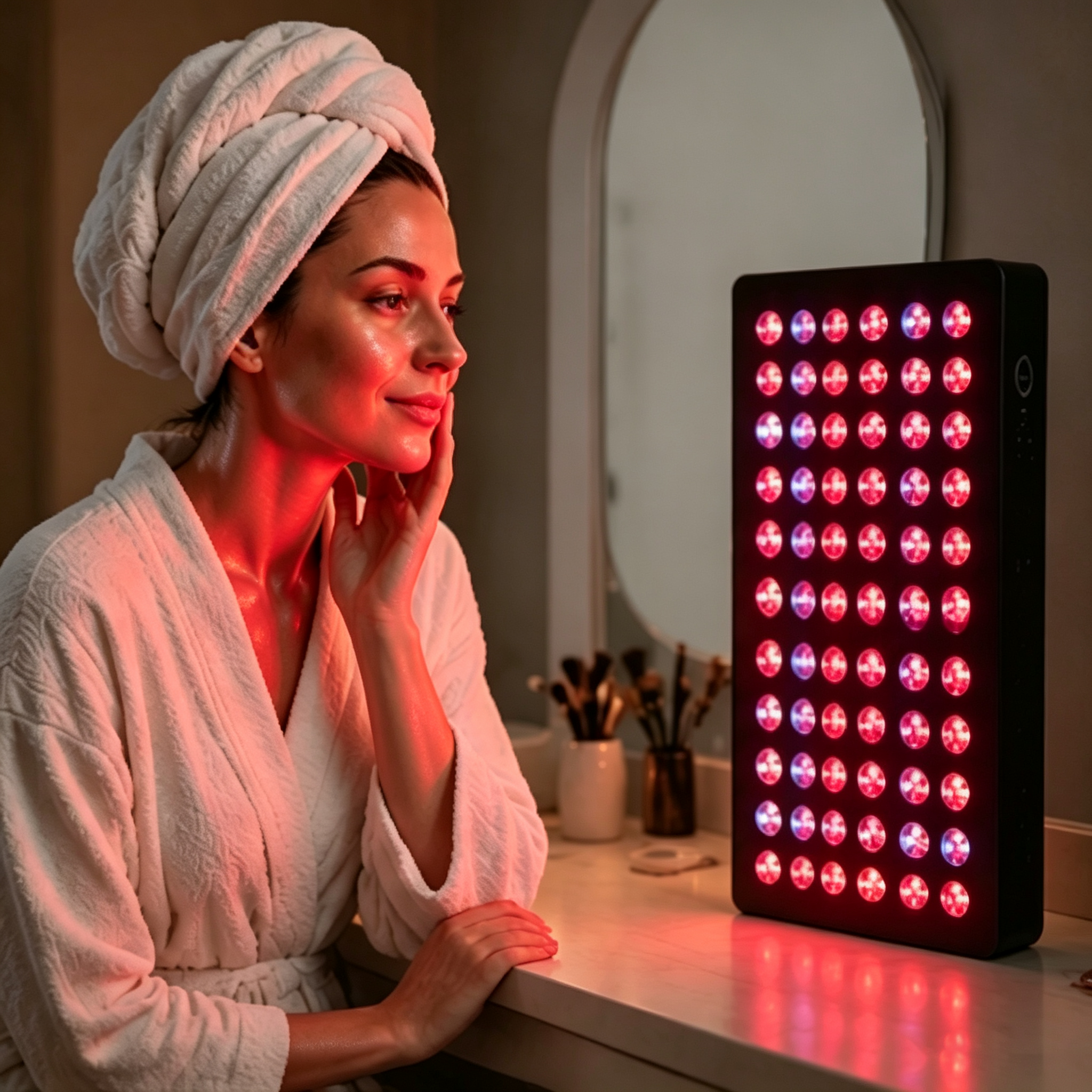
Red light therapy is a noninvasive wellness treatment that uses specific red and near-infrared light wavelengths to support the body's natural repair processes. This red light therapy delivers light through panels, masks, wraps, or handheld devices, without needles, heat, or medication. A typical red light therapy session takes between five and twenty minutes, depending on the device, treatment area, and recommended distance.
The main function of red light therapy is to expose skin and soft tissue to controlled light energy. Red wavelengths mainly target the surface of the skin, while near-infrared wavelengths can reach deeper tissue. This combination may support a more even skin appearance, temporary relief from everyday muscle discomfort, post-exercise recovery, and general wellness routines. Unlike ultraviolet light, red light therapy does not aim to tan the skin and does not use damaging UV radiation.
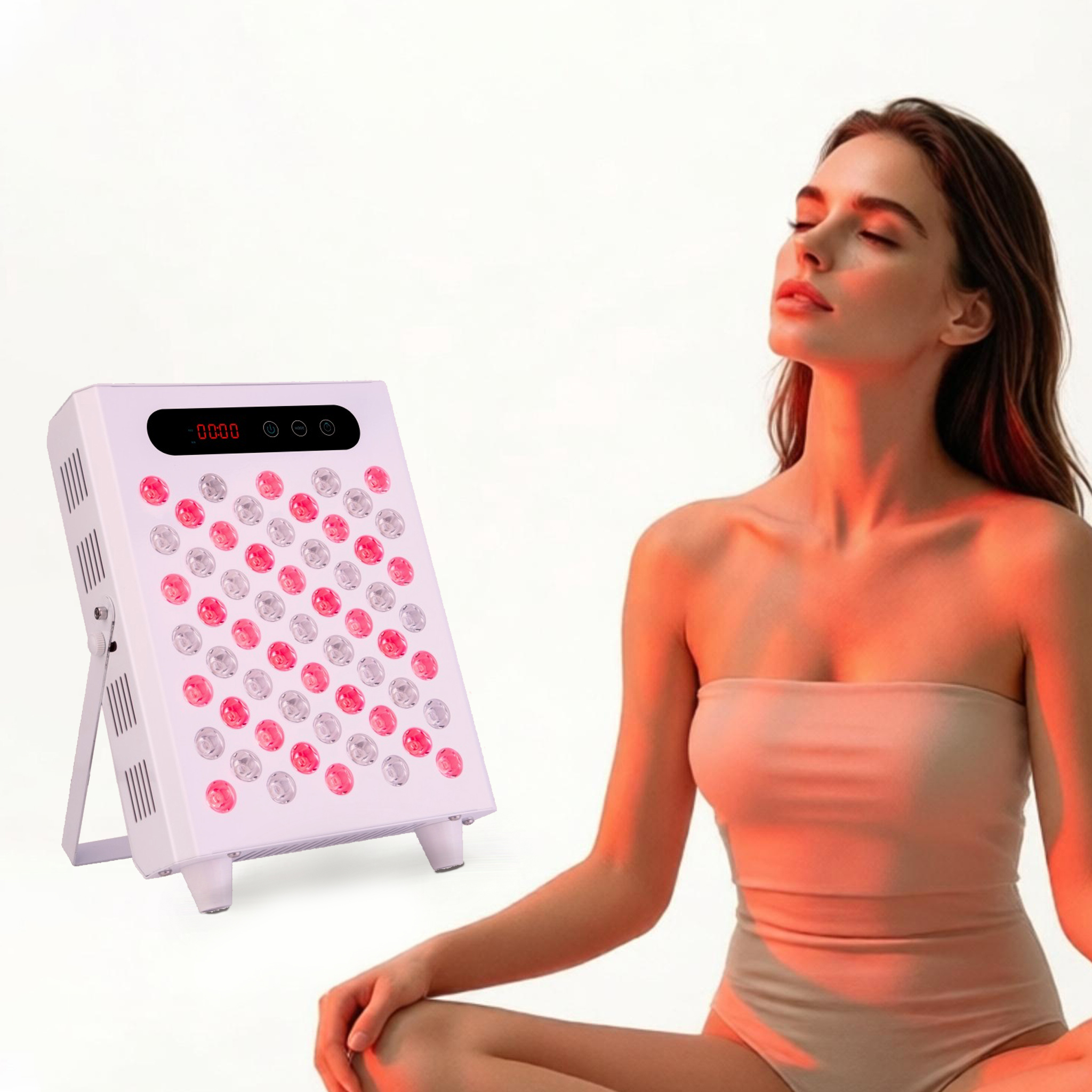
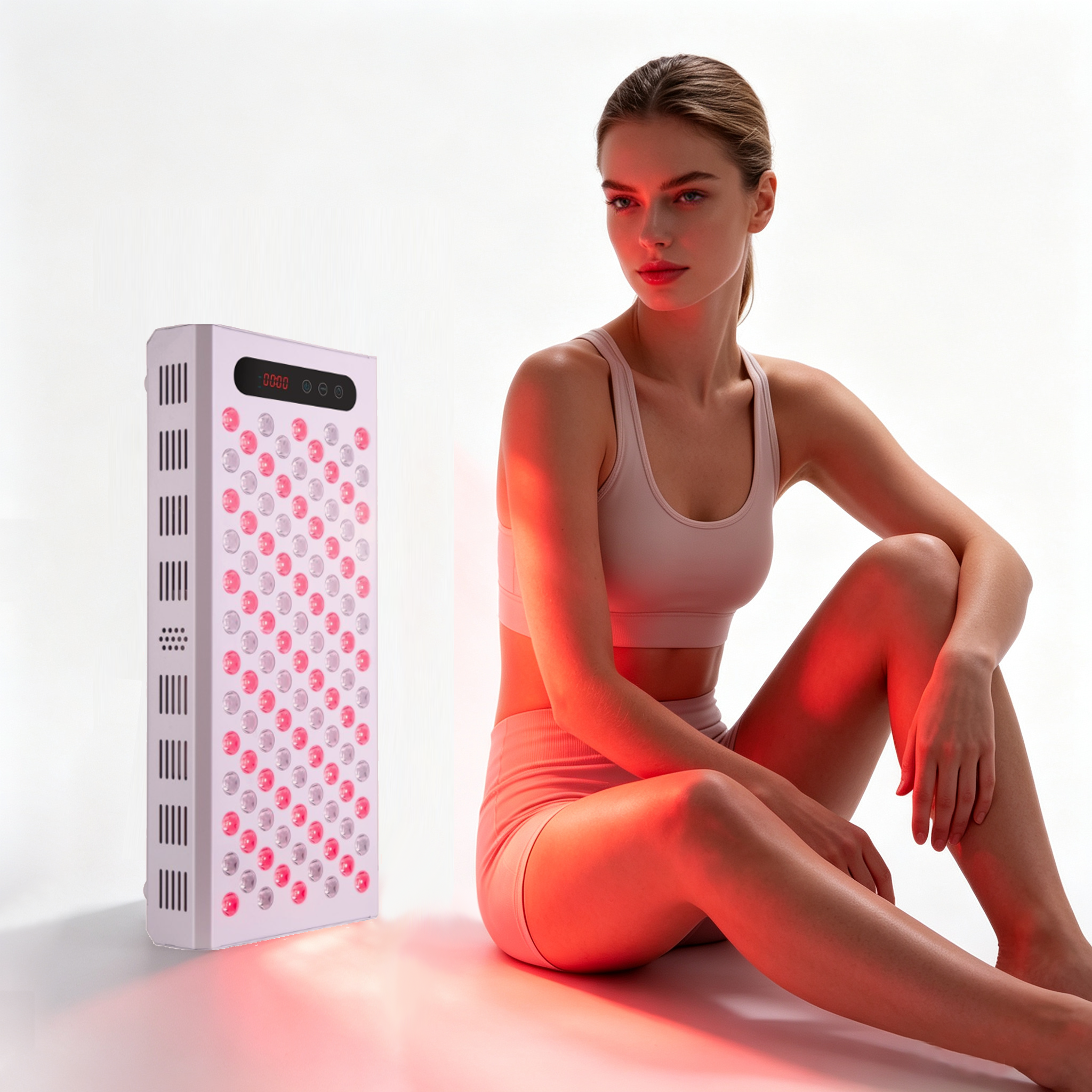
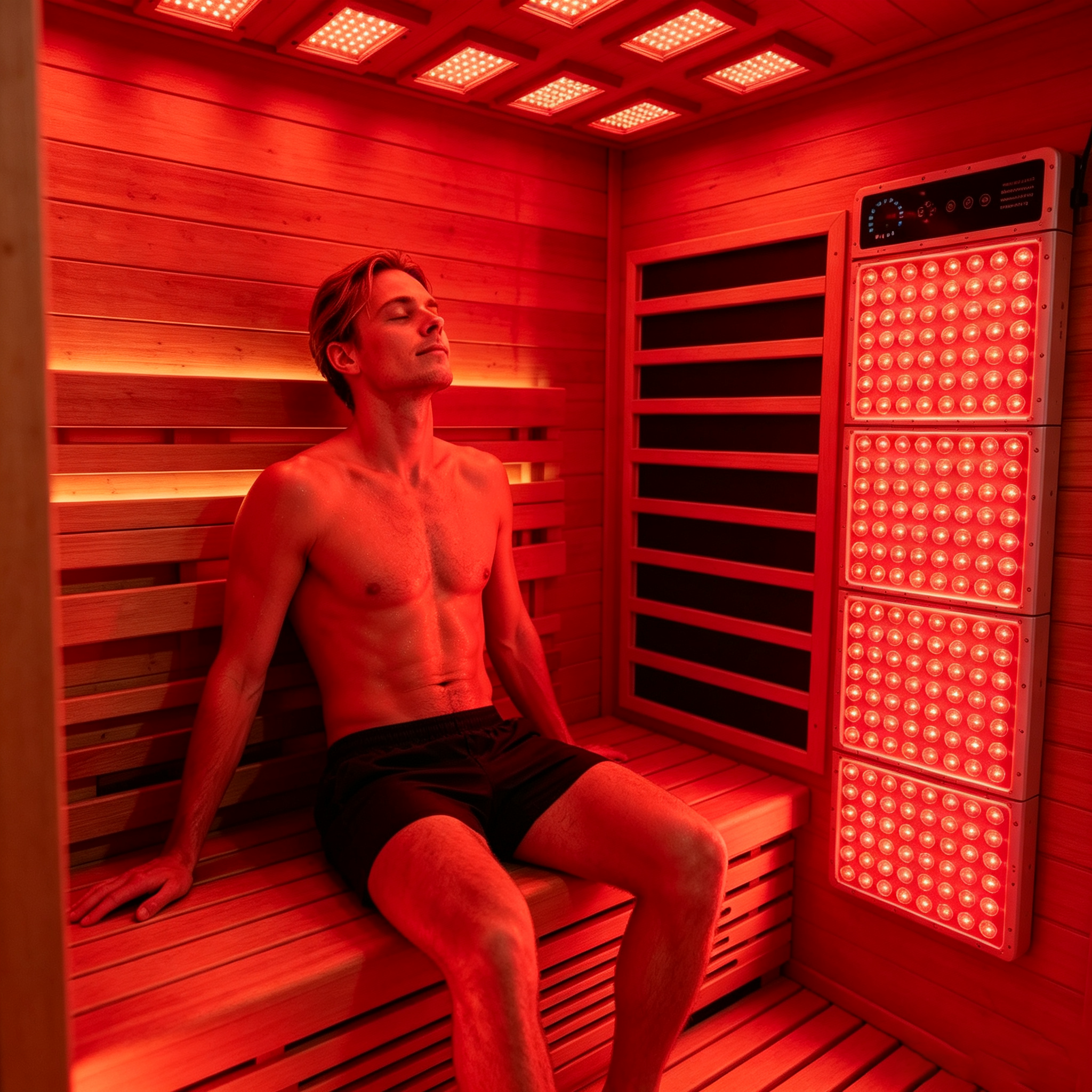
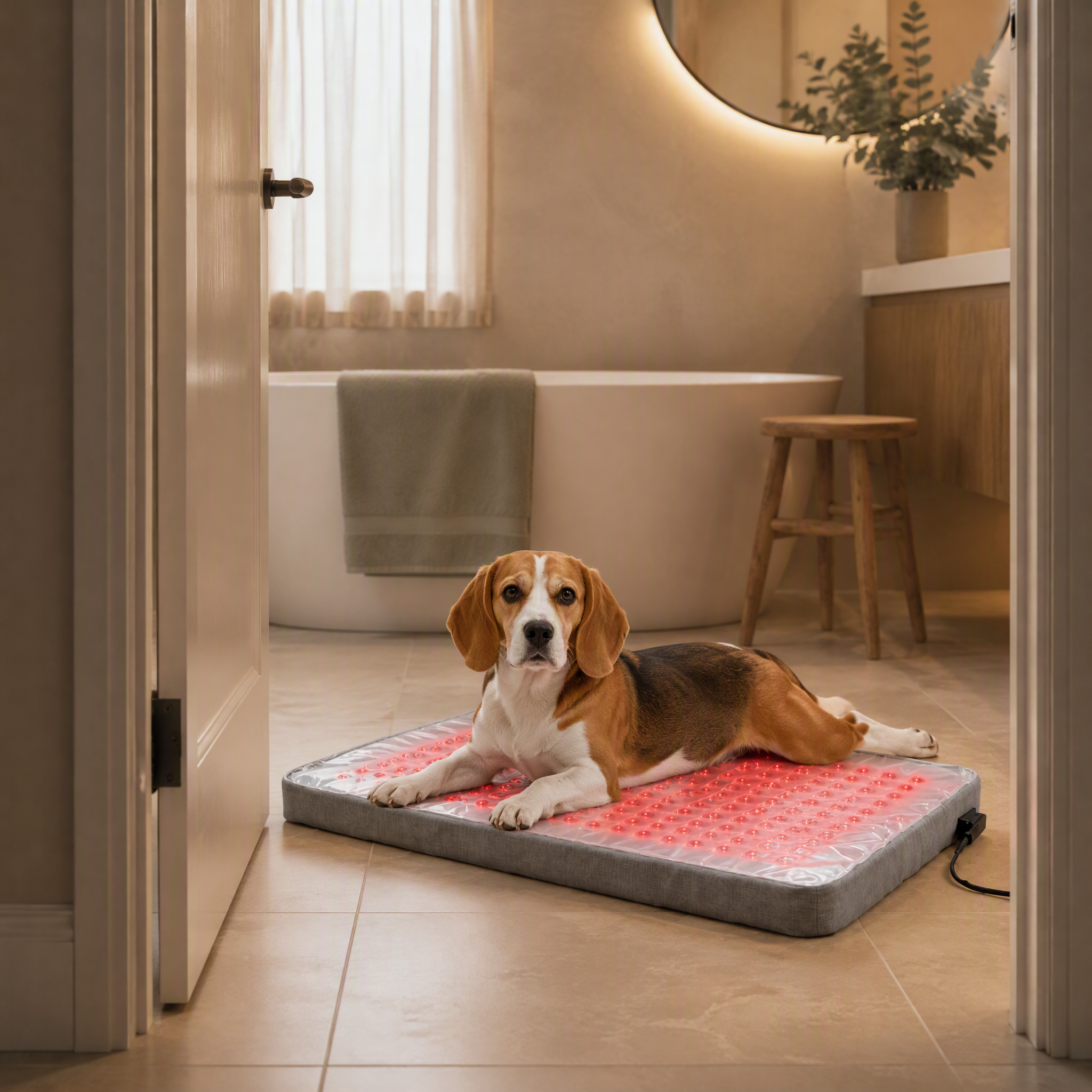
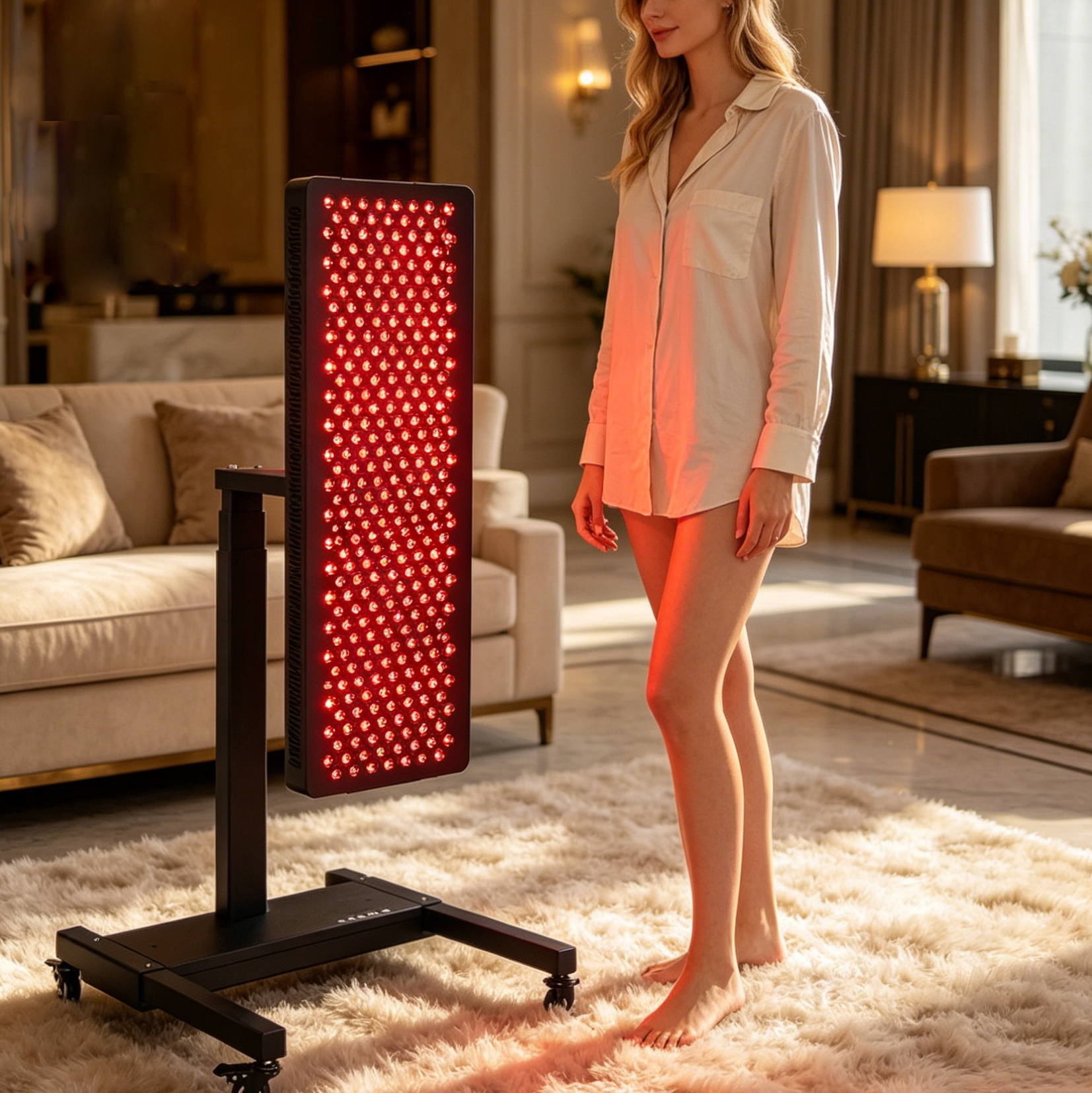
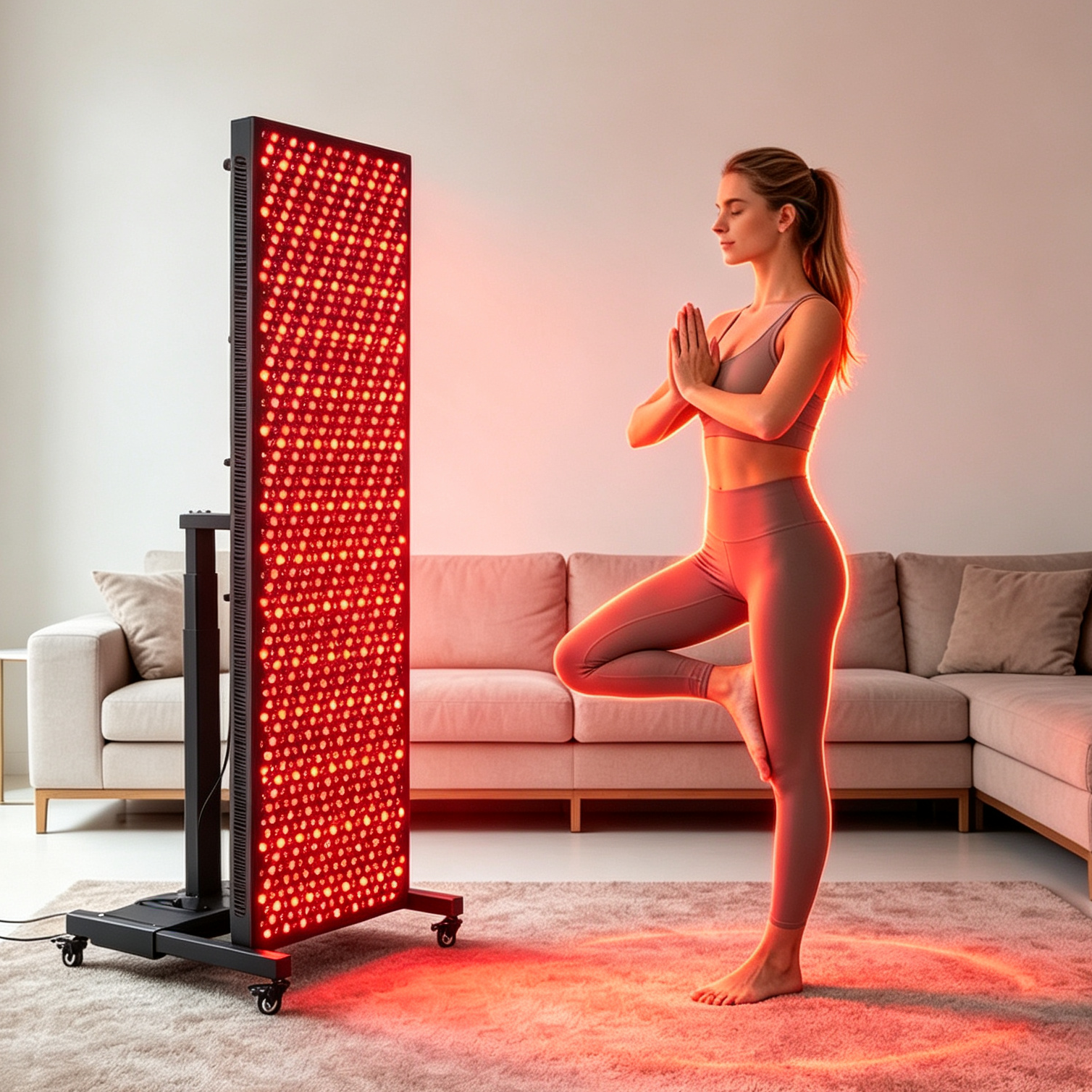
A red light therapy device usually includes LED diodes, a timer, treatment controls, and a housing designed for safe positioning. Some models offer adjustable intensity, multiple wavelength settings, eye protection, cooling features, and automatic shutoff. Portable designs suit targeted use, while larger panels cover the face, back, legs, or entire body more efficiently. Many red light therapy products work from a wall outlet or rechargeable battery, making regular use simple at home.
For buyers, the best red light therapy option depends on coverage, power control, comfort, build quality, and intended use. At home, red light therapy can complement skincare, stretching, exercise recovery, or relaxation habits. Users should follow the manufacturer instructions, protect their eyes when advised, and ask a healthcare professional about suitability if they have a light-sensitive condition or take photosensitizing medication. In short, red light therapy offers a convenient light-based option for customers seeking a simple, repeatable wellness routine.