Red Light Therapy Devices: Complete Buyer Guide

red light therapy devices

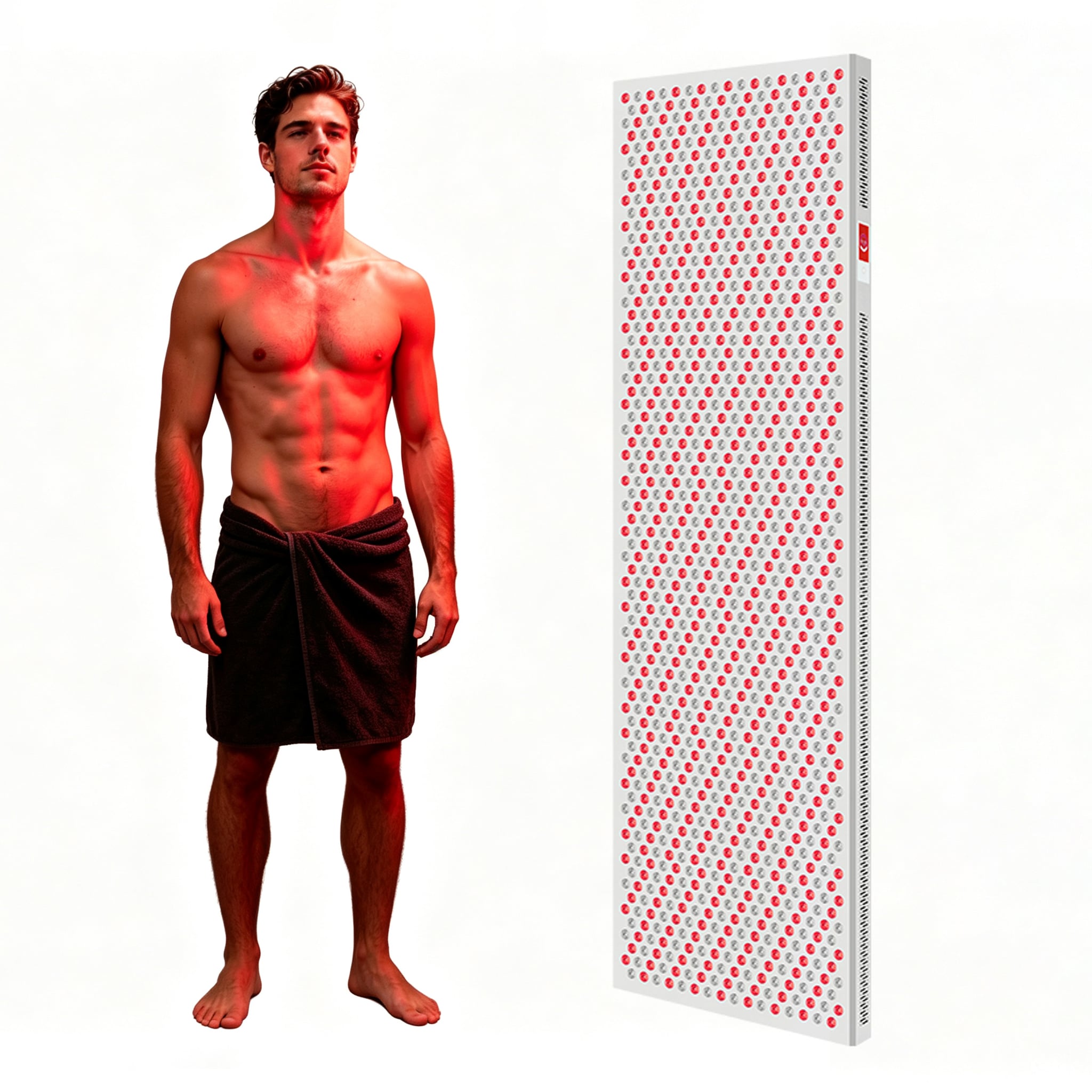
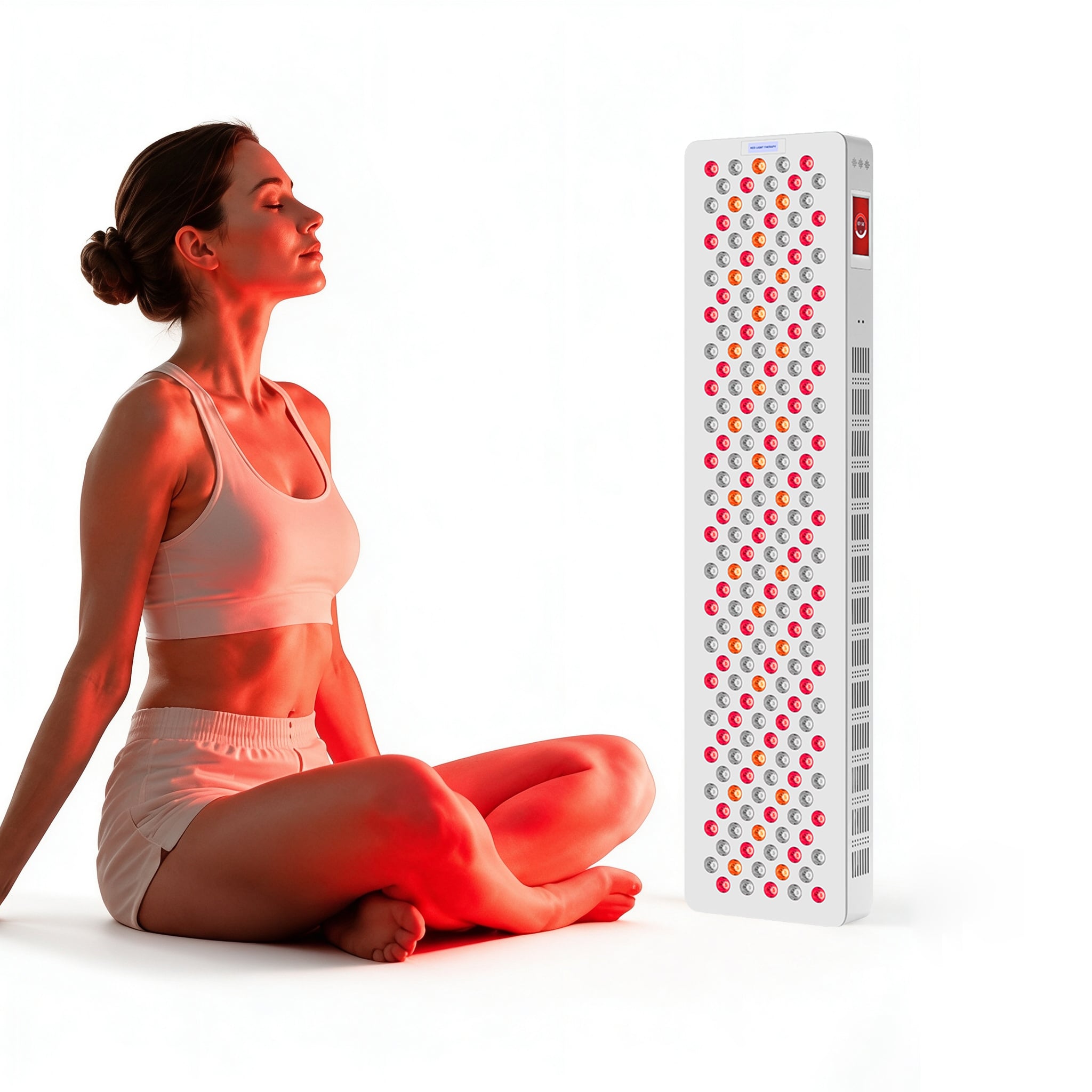
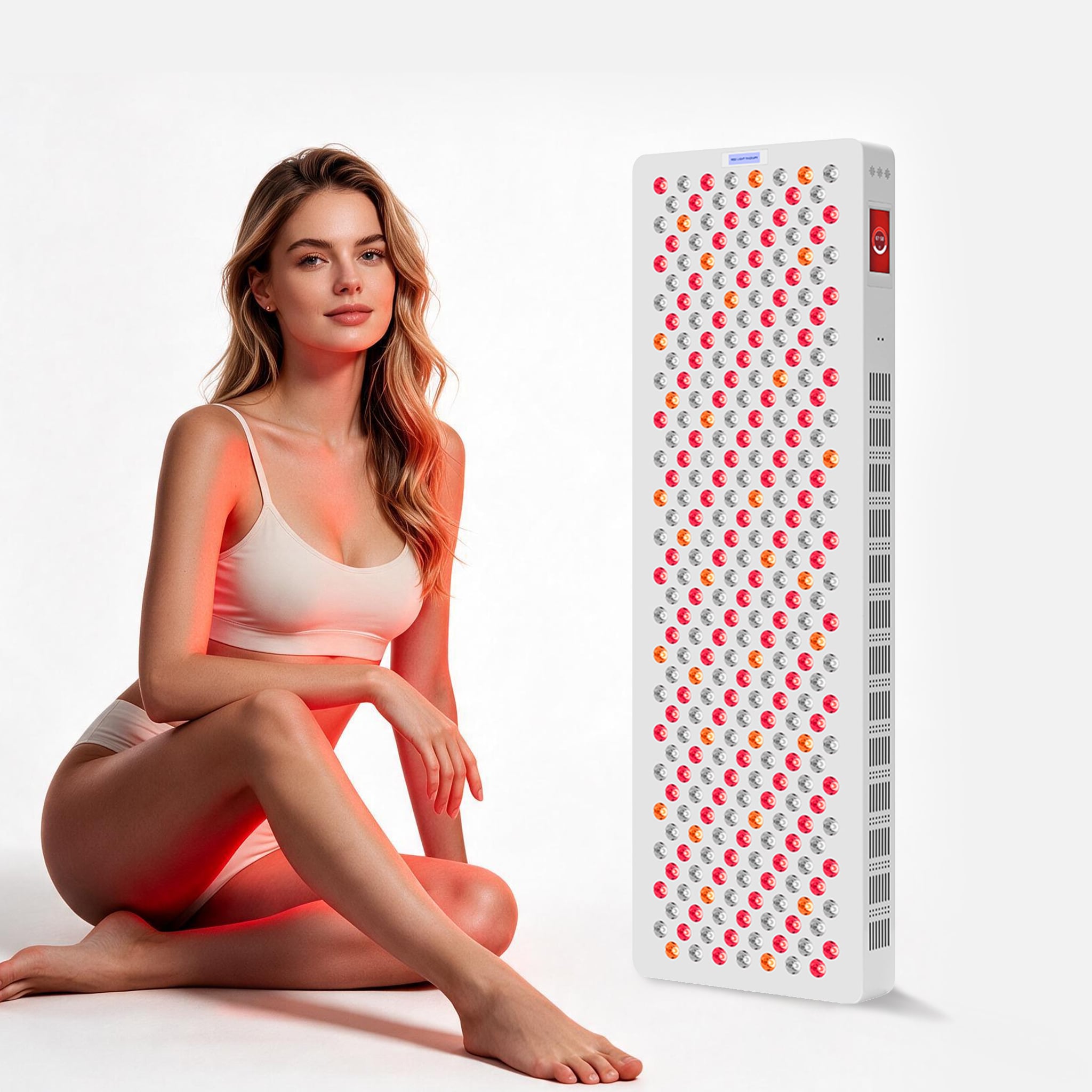
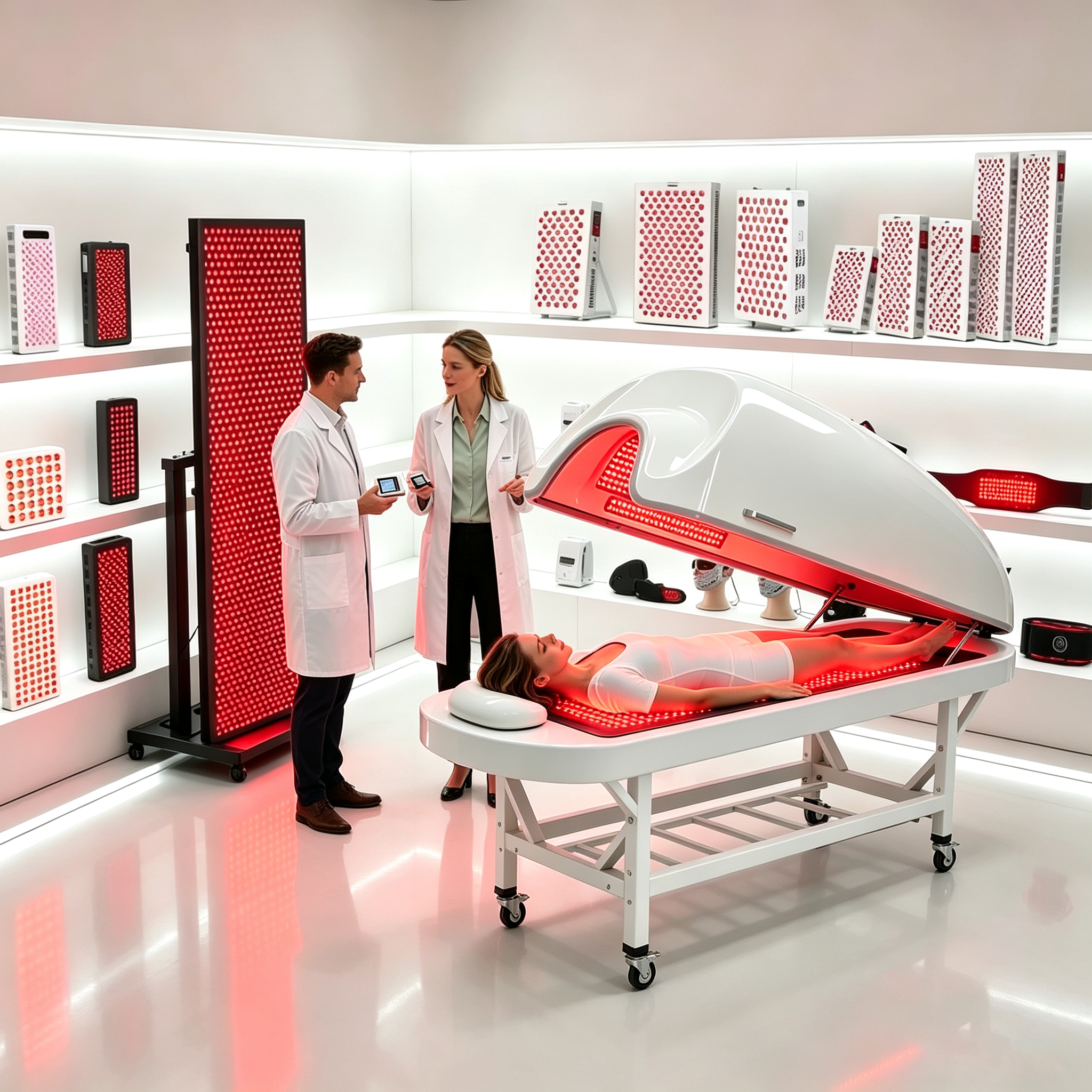
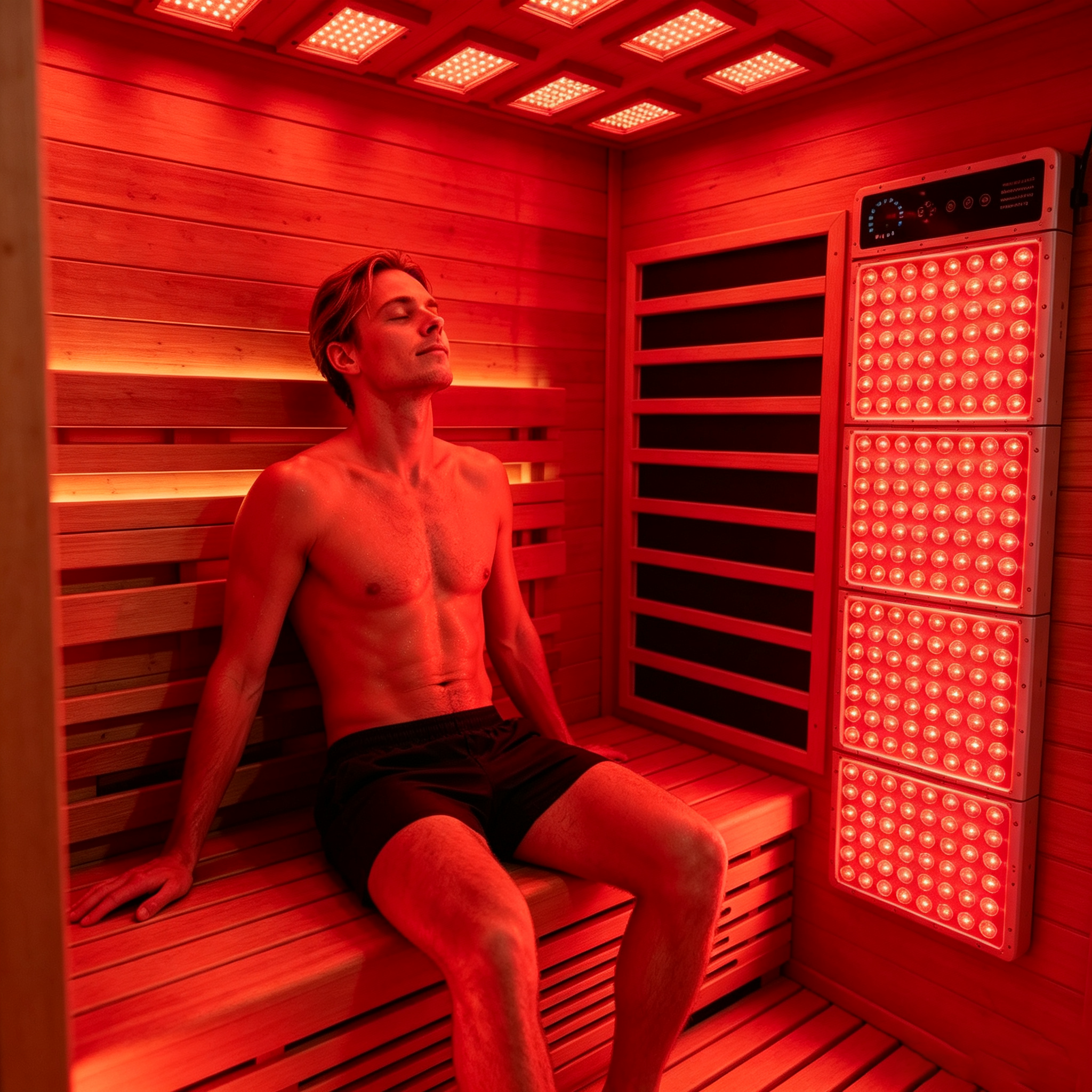
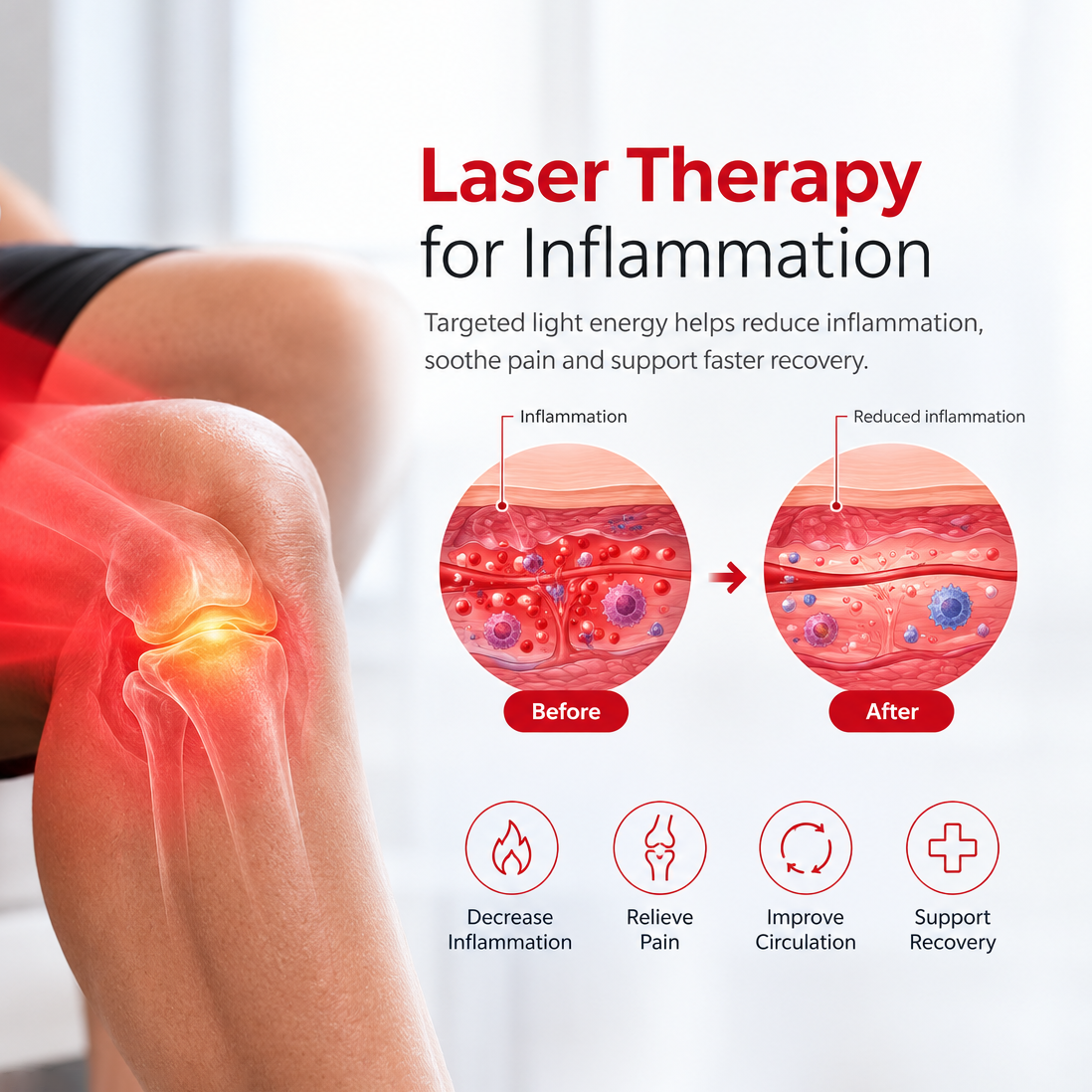
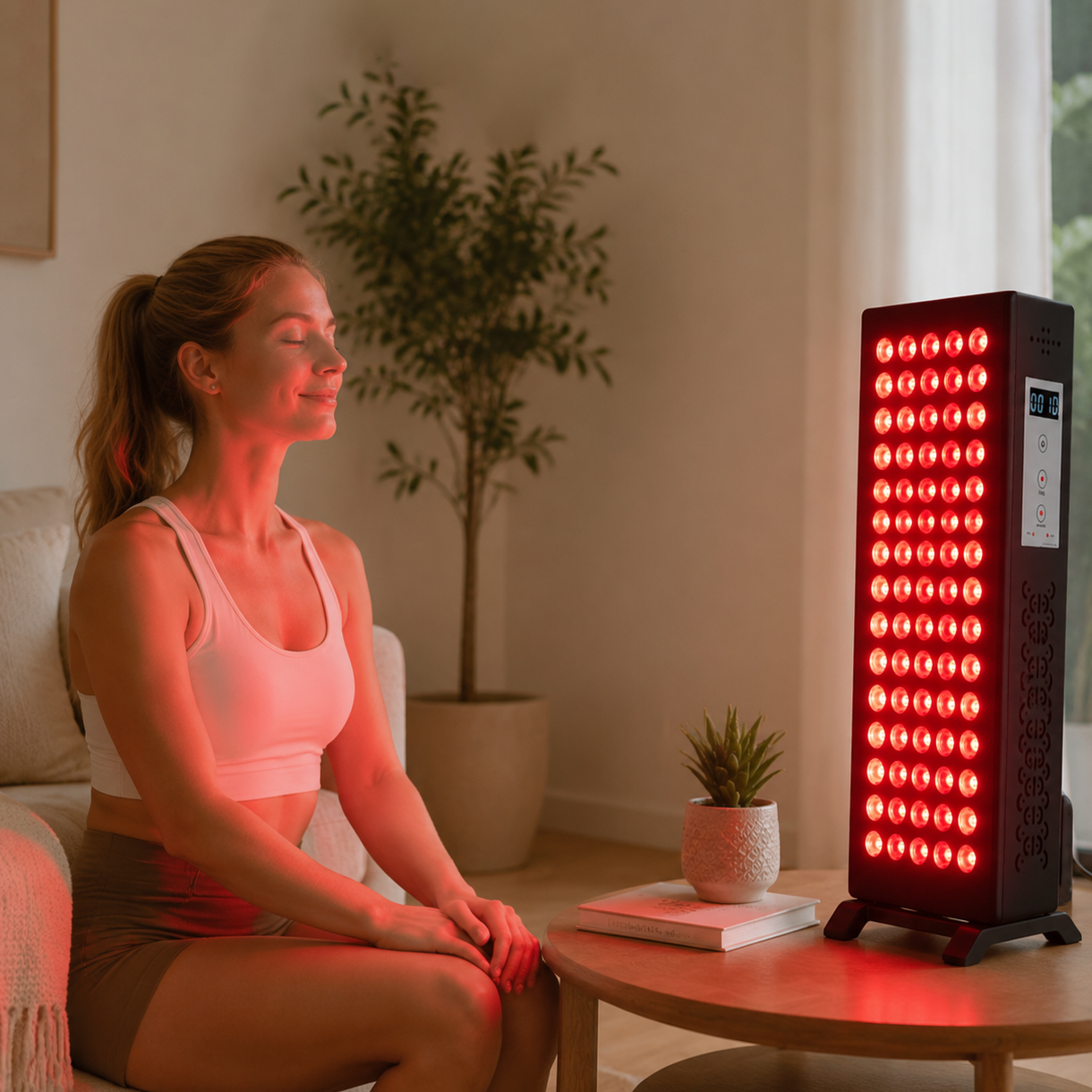
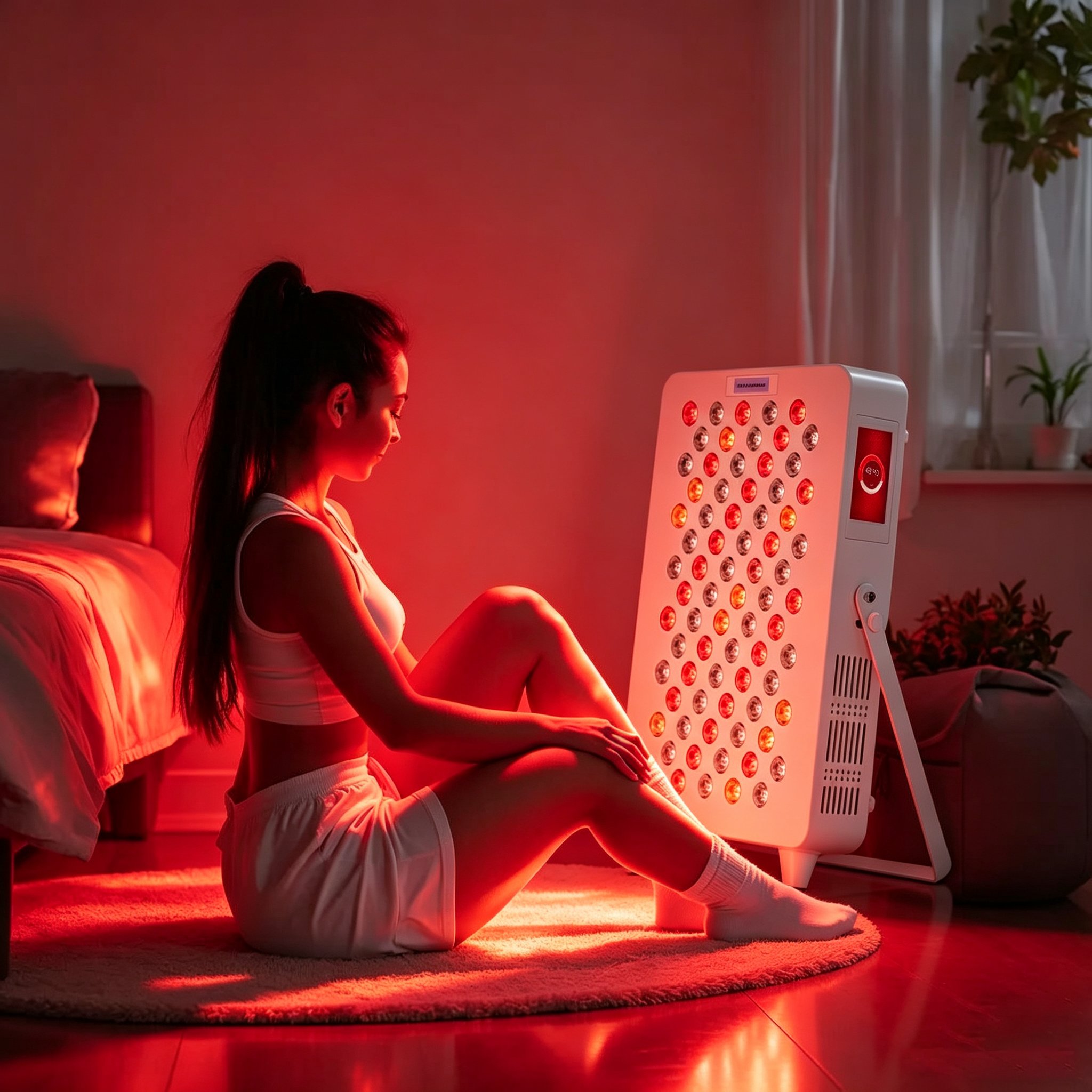
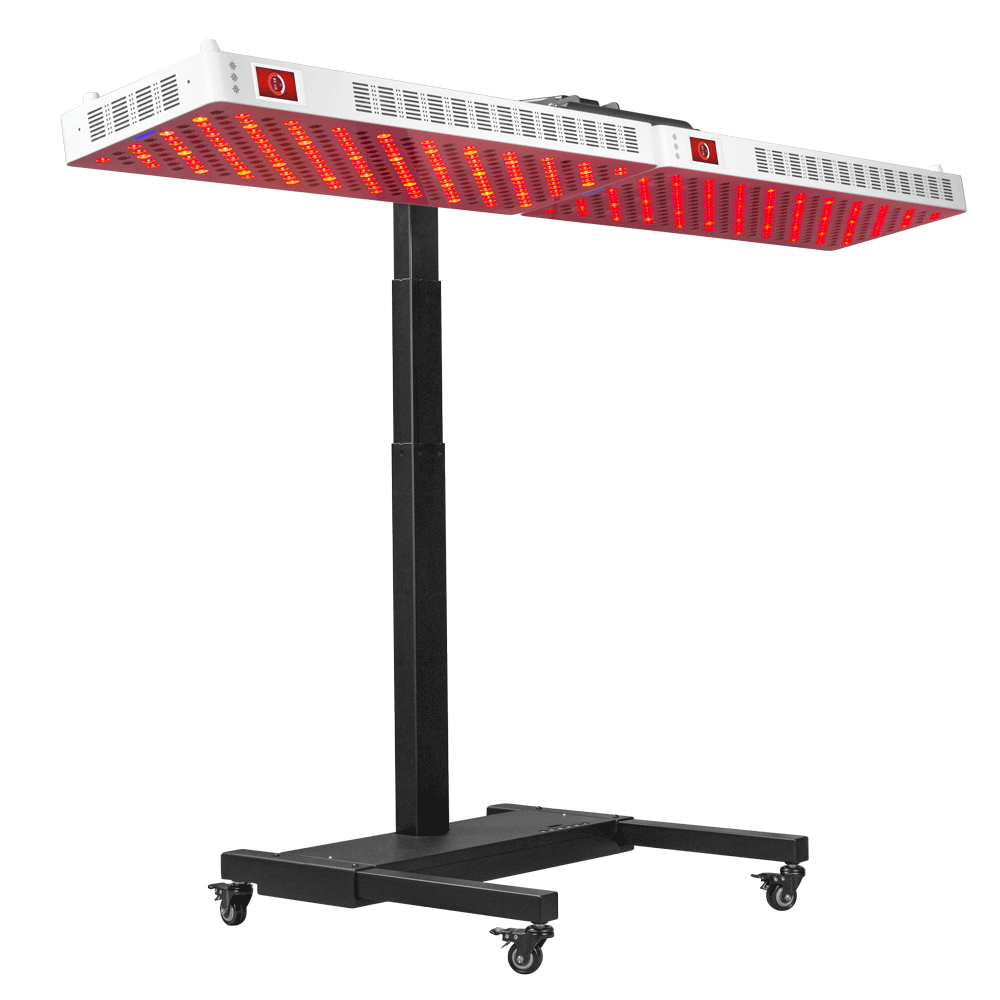
Red light therapy devices use low-level red and near-infrared light to support selected skin, recovery, and wellness goals. These red light therapy devices deliver light through LEDs rather than heat, medication, or ultraviolet exposure. Depending on the model, red light therapy devices may help improve the appearance of fine lines, support a more even-looking complexion, ease temporary muscle discomfort, and assist post-exercise recovery. Many red light therapy devices combine red wavelengths, commonly around 630 to 660 nanometers, with near-infrared wavelengths near 810 to 850 nanometers. Red light mainly targets surface areas, while near-infrared light can reach deeper tissue. Most red light therapy devices include a timer, preset programs, protective eyewear, and simple controls. Quality red light therapy devices also provide even coverage, stable output, and clear treatment instructions. Home-use red light therapy devices appear as face masks, handheld wands, panels, belts, and flexible wraps. Portable red light therapy devices suit users who need treatment during travel or in compact spaces. Professional red light therapy devices generally offer larger treatment areas, stronger construction, adjustable settings, and longer operating schedules. Applications include facial care, body care, sports recovery, relaxation routines, and wellness services. Results depend on regular use, device design, distance, treatment time, and personal needs. Users should follow the manufacturer guidance and avoid treating serious medical conditions without professional advice. By selecting red light therapy devices with suitable coverage, controls, comfort, and safety features, customers can match the equipment to daily home care, targeted recovery, or business use.

Popular Products

The main advantage of red light therapy devices is convenient access to a simple, noninvasive routine. For buyers, red light therapy devices can support skin care and recovery without needles, strong chemicals, or lengthy appointments. Well-designed red light therapy devices operate quietly, need little setup, and fit easily into a morning or evening schedule. Because red light therapy devices use LED panels instead of replaceable treatment cartridges, operating costs can remain low after purchase. Many red light therapy devices need only a power connection and a set treatment time, making them practical for regular use. The best red light therapy devices spread light across the intended area, so users spend less time repositioning the unit. Automatic timers also reduce guesswork and help prevent unnecessarily long sessions. For clinics, red light therapy devices can serve several customer groups, including facial-care clients, athletes, and people seeking relaxation support. Their flexible application makes one unit useful across multiple services, although businesses should confirm output, warranty terms, cleaning needs, and expected session volume before buying. Compared with salon appointments, portable red light therapy devices can give consumers more control over when and where they follow a routine. A mask may suit facial use, while a panel or wrap may work better for shoulders, legs, or broader body areas. When customers choose red light therapy devices, they should compare treatment coverage, wavelength range, irradiance information, timer options, eye protection, and return policies. Comfort also matters because a product that feels heavy, hot, or difficult to position may be used less often. Overall, red light therapy devices offer reusable equipment, straightforward operation, and application flexibility. They do not guarantee identical results for every person, but consistent use and realistic expectations can improve buyer satisfaction. Customers should treat them as wellness tools, not substitutes for medical diagnosis or prescribed care.

Practical Tips

Which Features Matter in Red Light Therapy Devices for Veterinary Clinics?

01

Oct

Which Features Matter in Red Light Therapy Devices for Veterinary Clinics?

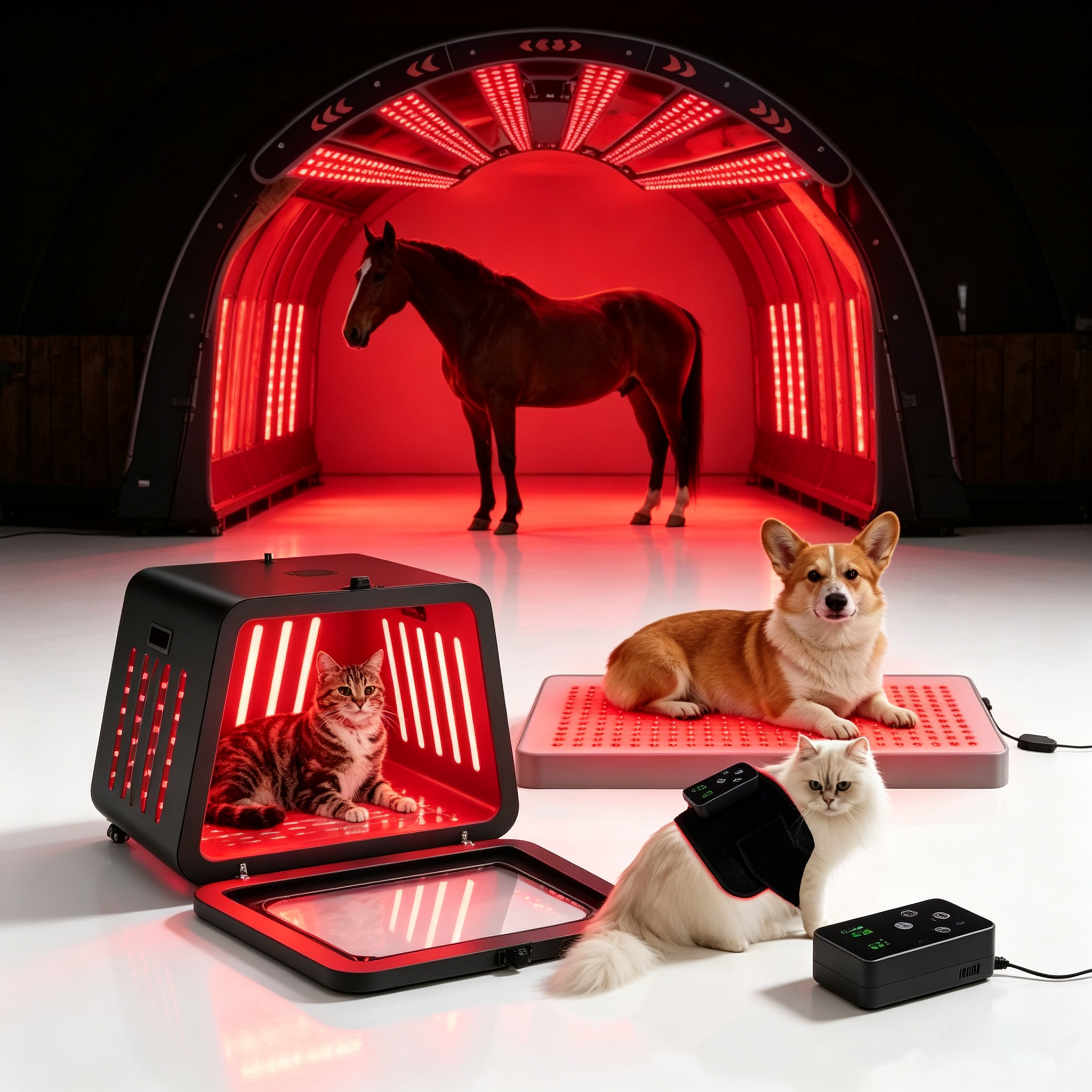
Veterinary clinics increasingly recognize the therapeutic value of light-based treatments for animal patients. Understanding which features matter most in pet red light devices is essential for clinicians selecting equipment that delivers measurable ...
View More
What Is Medical Red Light Technology and Where Is It Commonly Used?

29

Oct

What Is Medical Red Light Technology and Where Is It Commonly Used?

Medical red light technology has emerged as a powerful therapeutic tool in modern healthcare, offering non-invasive solutions for tissue healing and cellular regeneration. This sophisticated approach leverages specific light wavelengths to stimulate ...
View More
What Safety Controls Should an Infrared Sauna Blanket Include?

15

Oct

What Safety Controls Should an Infrared Sauna Blanket Include?

Selecting an infrared sauna blanket requires careful evaluation of built-in safety controls to protect users during sessions. An infrared sauna blanket emits far-infrared wavelengths that penetrate skin tissue, triggering therapeutic responses throug...
View More
What Safety Features Should Buyers Check in Laser Therapy Devices?

22

Oct

What Safety Features Should Buyers Check in Laser Therapy Devices?

When selecting laser therapy equipment, understanding critical safety features is essential to ensure both patient protection and regulatory compliance. Medical professionals and facility operators must carefully evaluate devices before purchase to a...
View More

Get a Free Quote

Our representative will contact you soon.
Email
Name
Company Name
Mobile
Message
0/1000

red light therapy devices

Targeted Wavelengths for Flexible Care

Targeted Wavelengths for Flexible Care

A key strength of red light therapy devices is the use of carefully selected LED wavelengths. Many red light therapy devices combine visible red light for surface-focused routines with near-infrared light for deeper areas. This dual-range design lets one product support different goals, from facial appearance and skin texture to muscle comfort after activity. Instead of buying separate equipment for every routine, users can select a device with a suitable wavelength combination and coverage area. Clear product specifications help buyers compare models more confidently because wavelength information shows what the LEDs are designed to deliver. Some red light therapy devices also let users choose one wavelength range or run both together. That flexibility suits households with different preferences and businesses serving varied customers. Wavelength selection does not promise a particular medical outcome, but it provides useful control over intended use. Buyers should still review measured output, recommended distance, and session guidance rather than judging performance by color alone.
Easy Controls Support Consistent Use

Easy Controls Support Consistent Use

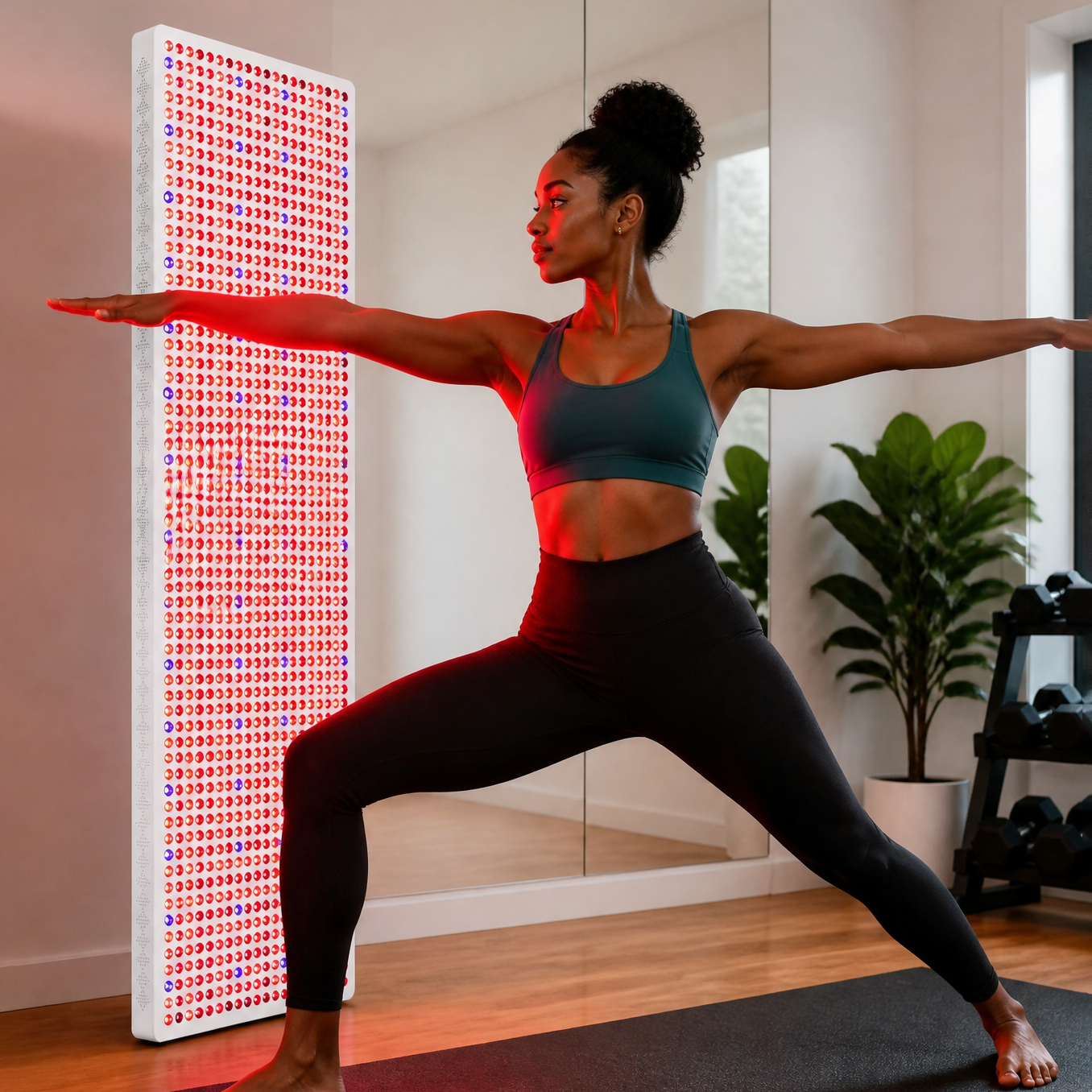
Convenience can determine whether a wellness product becomes a lasting habit. Red light therapy devices with built-in timers, preset programs, and one-touch controls remove much of the daily effort. Users can start a session, relax, and allow the device to stop automatically instead of watching a clock. Some red light therapy devices include adjustable brightness, separate wavelength buttons, or memory settings that make repeated sessions easier. Simple controls also help first-time users follow the supplied instructions with less confusion. A lightweight mask may work well for facial routines, while a panel with a stand can provide hands-free treatment over a larger area. Flexible straps, soft contact surfaces, and balanced weight improve comfort during regular sessions. These practical details create buyer value because consistent use is more realistic when equipment feels manageable. Before purchasing, customers should check charging or power requirements, control placement, cable length, cleaning instructions, and whether the design allows comfortable positioning without constant adjustment.
Coverage and Portability Match Real Routines

Coverage and Portability Match Real Routines

Different lifestyles require different equipment formats, and product shape is an important selling point. Compact red light therapy devices suit targeted areas, travel bags, small apartments, and users who want a focused routine. Larger red light therapy devices can illuminate the face, torso, legs, or another broad area with fewer position changes. Wraps and belts follow body contours, while handheld units provide precise control for small zones. This range helps buyers choose based on space, routine, and intended application rather than accepting a one-size-fits-all design. Portability can also benefit professionals who move equipment between treatment rooms or wellness events. At-home customers should consider storage, setup time, stand stability, and access to a power source. Commercial users should review durability, cleaning surfaces, session turnover, and warranty support. Well-matched red light therapy devices make regular use more convenient and can reduce the chance that equipment remains unused. The best choice balances coverage, comfort, portability, construction, and budget.

Get a Free Quote

Our representative will contact you soon.
Email
Name
Company Name
Mobile
Message
0/1000