Red Light Therapy Devices for Pain Guide

red light therapy devices for pain

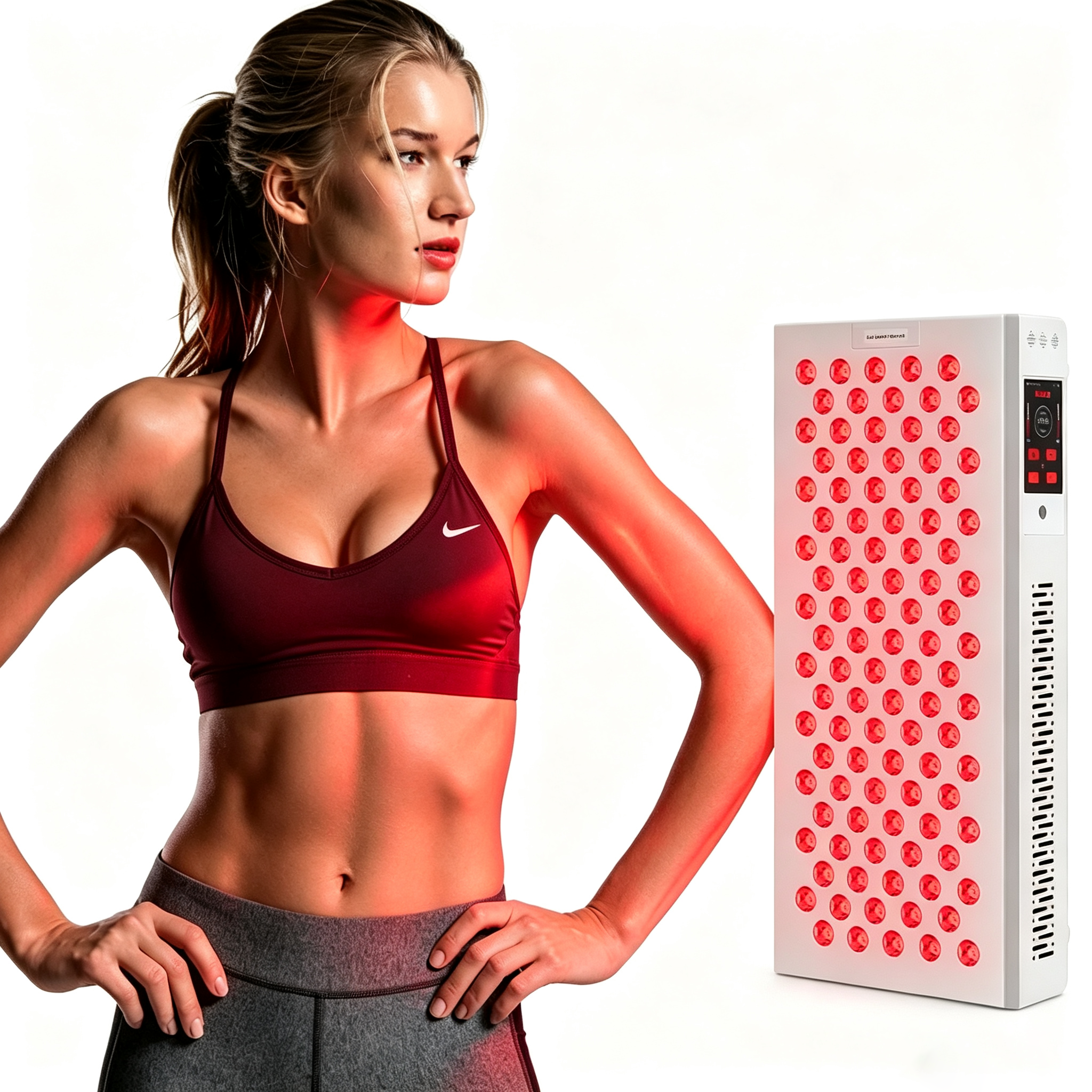
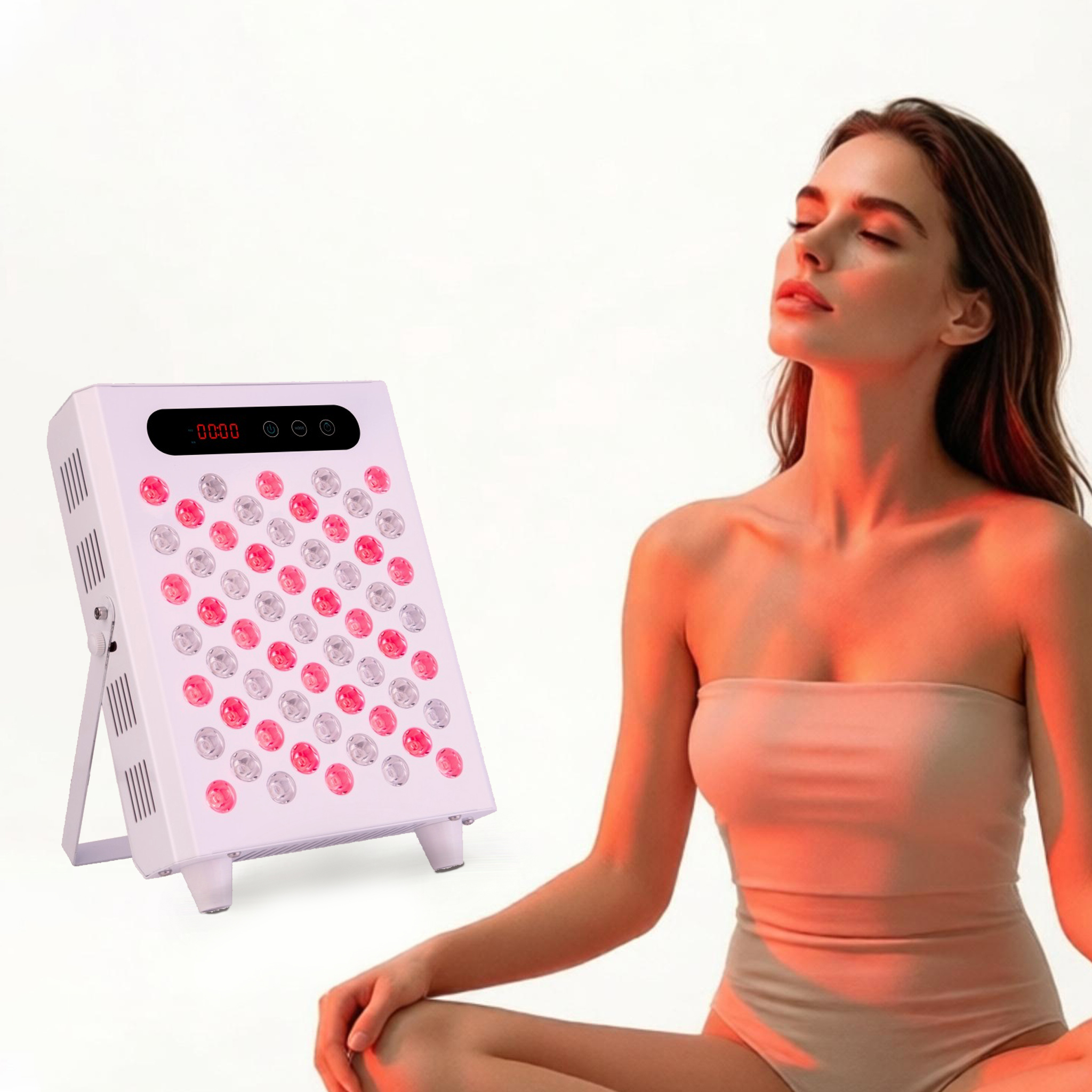
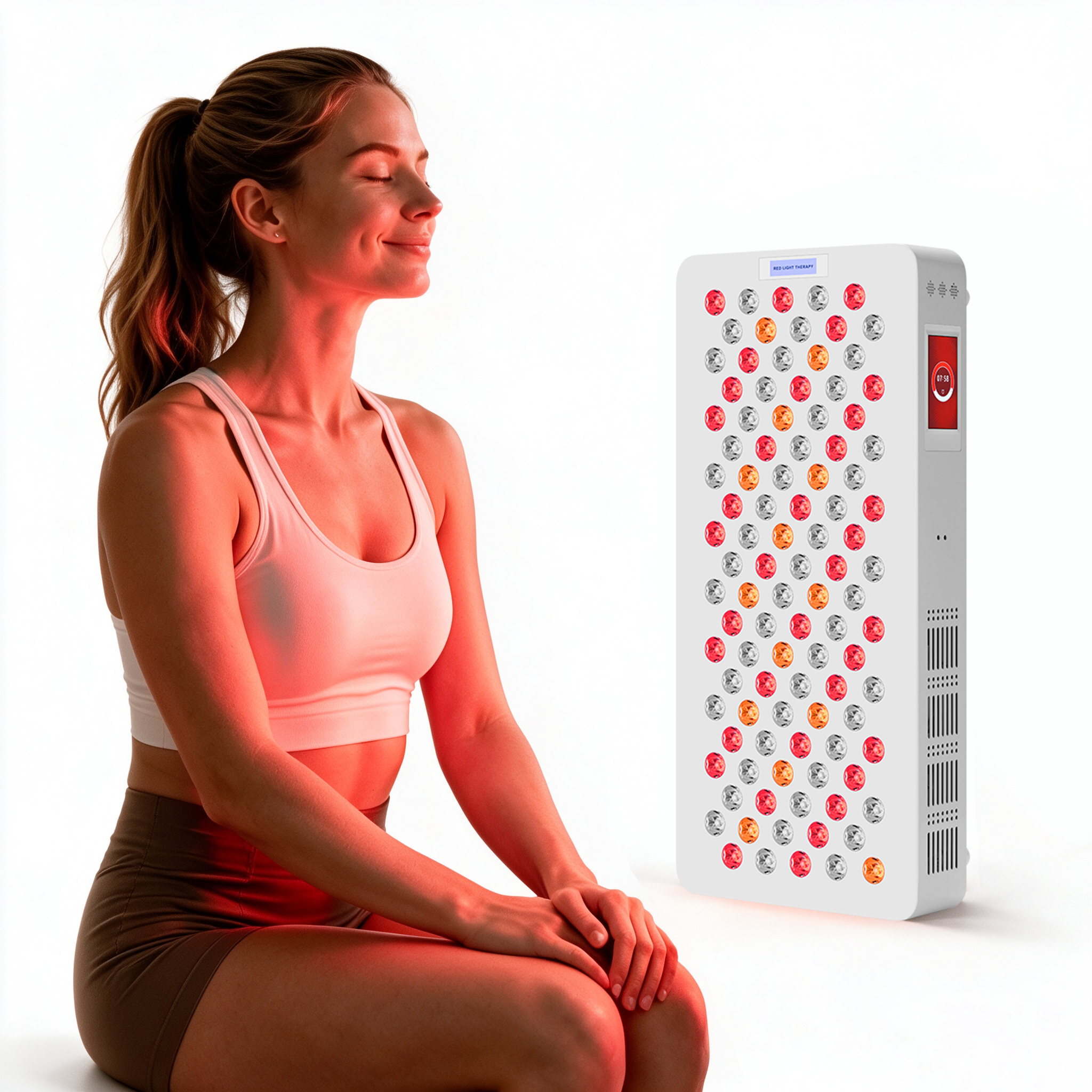
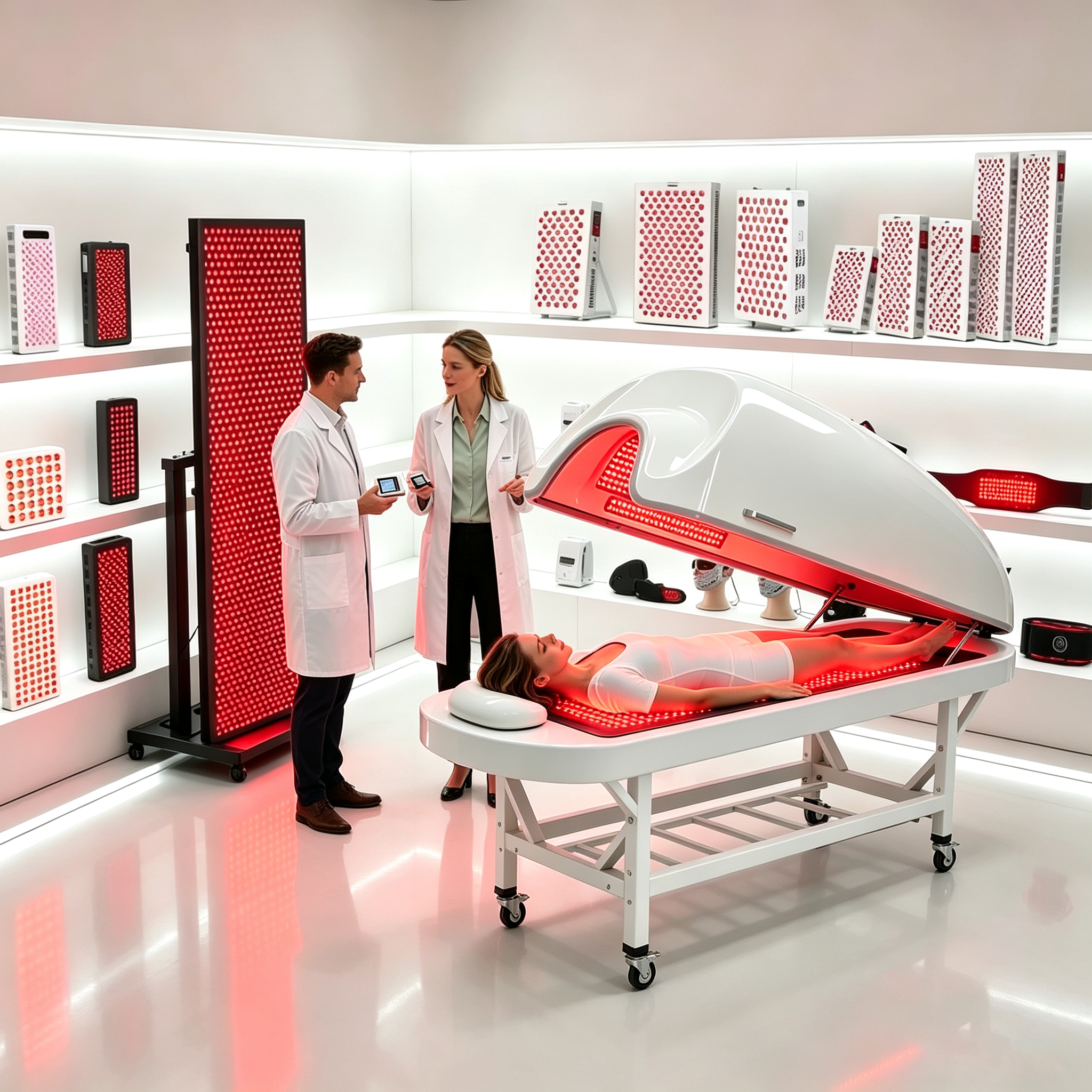
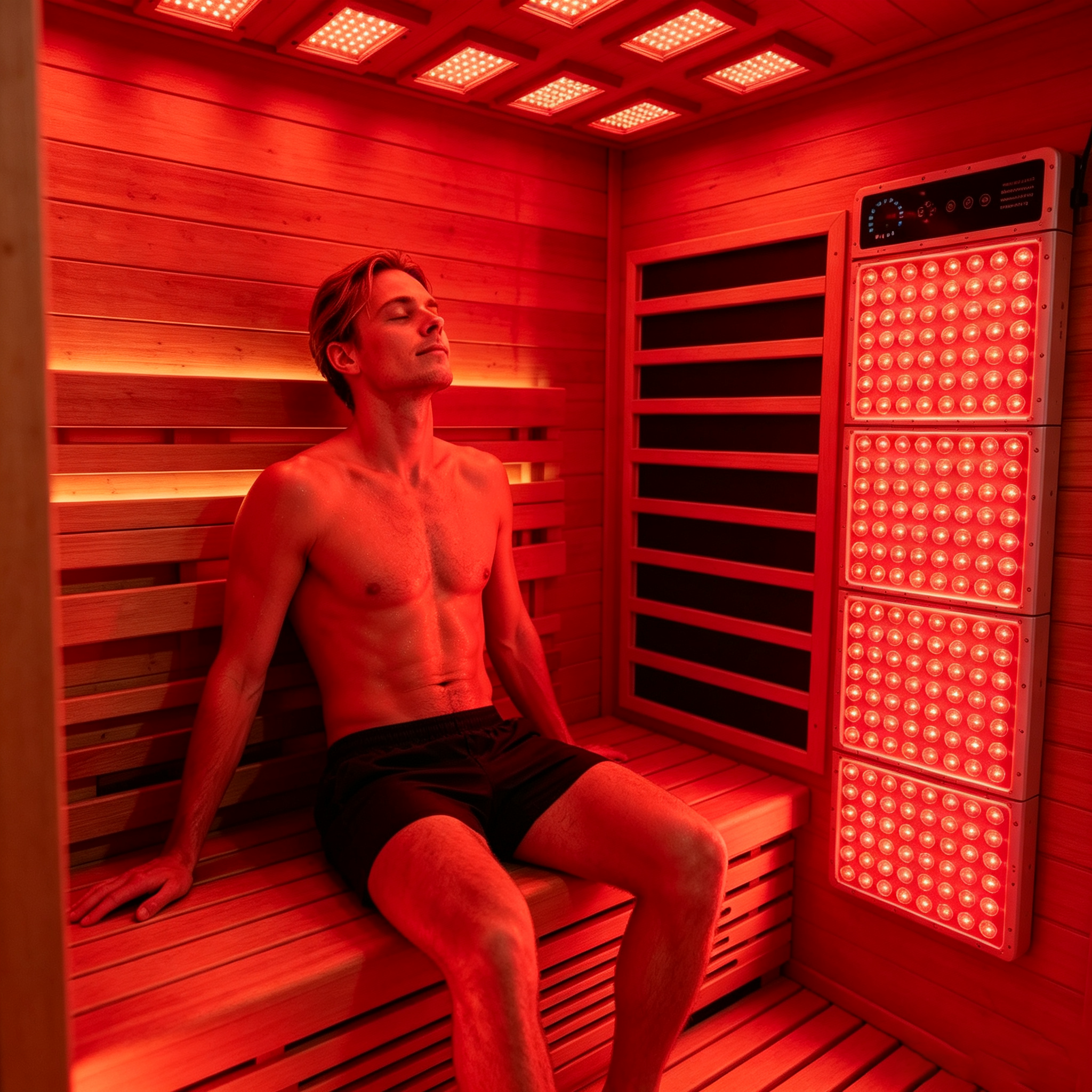
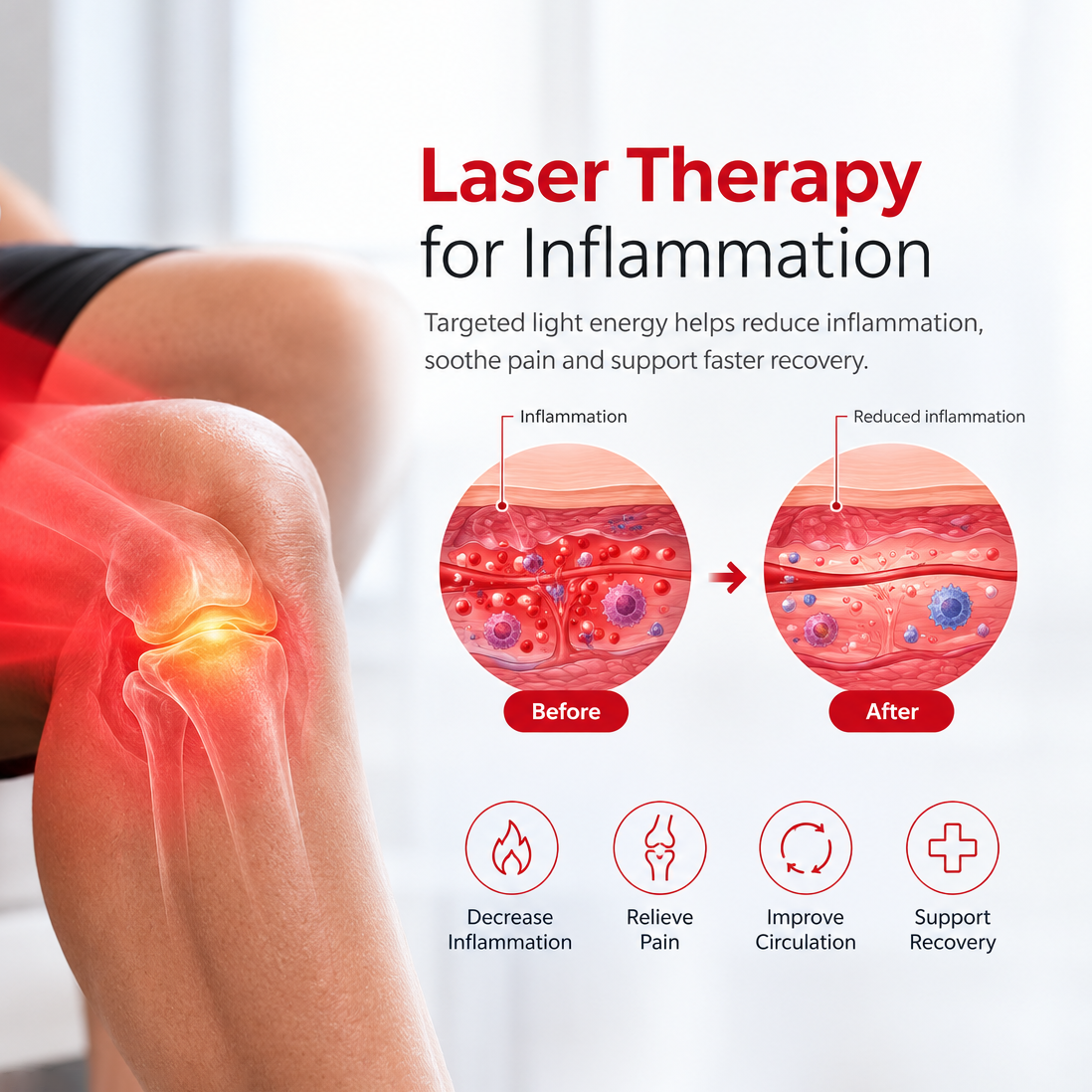
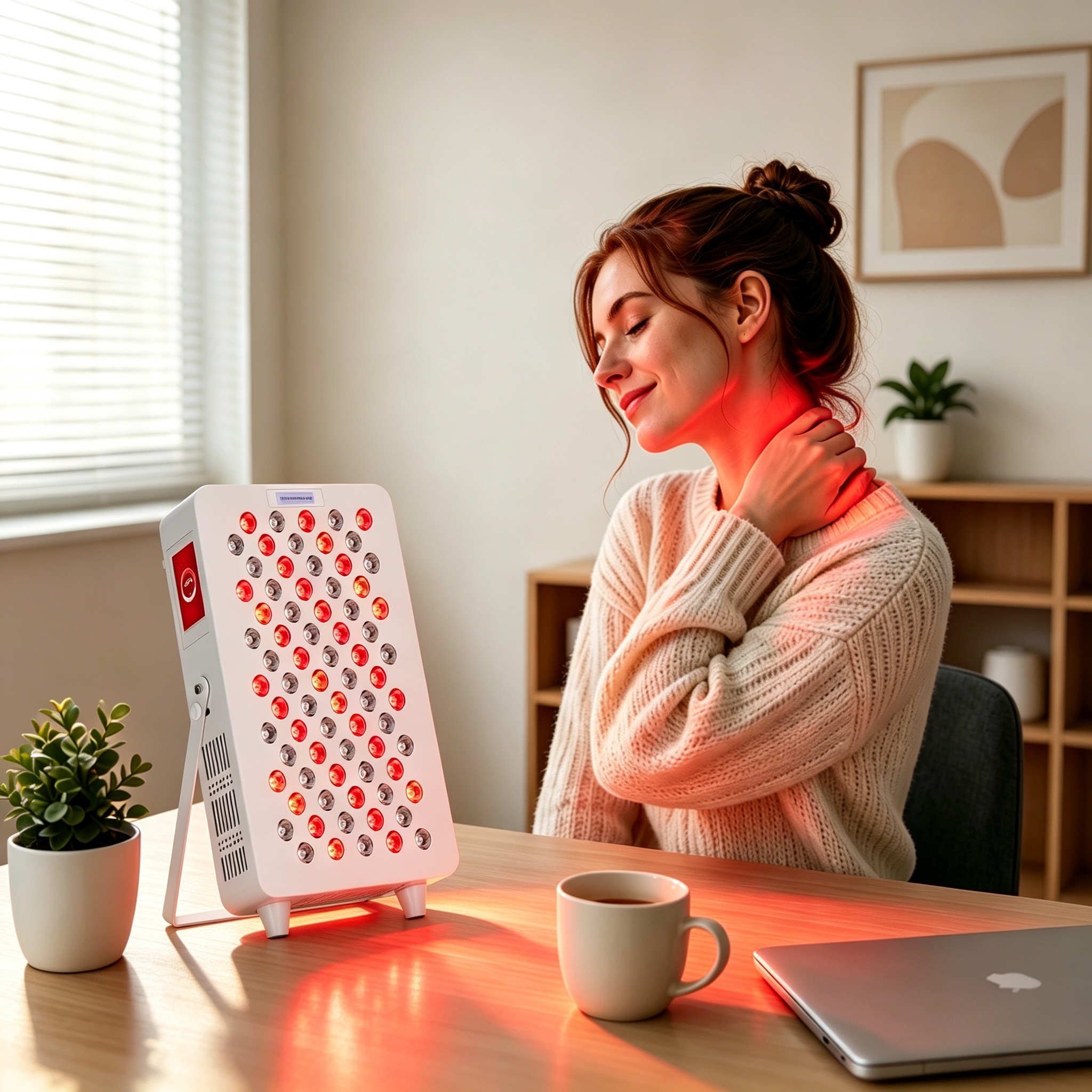
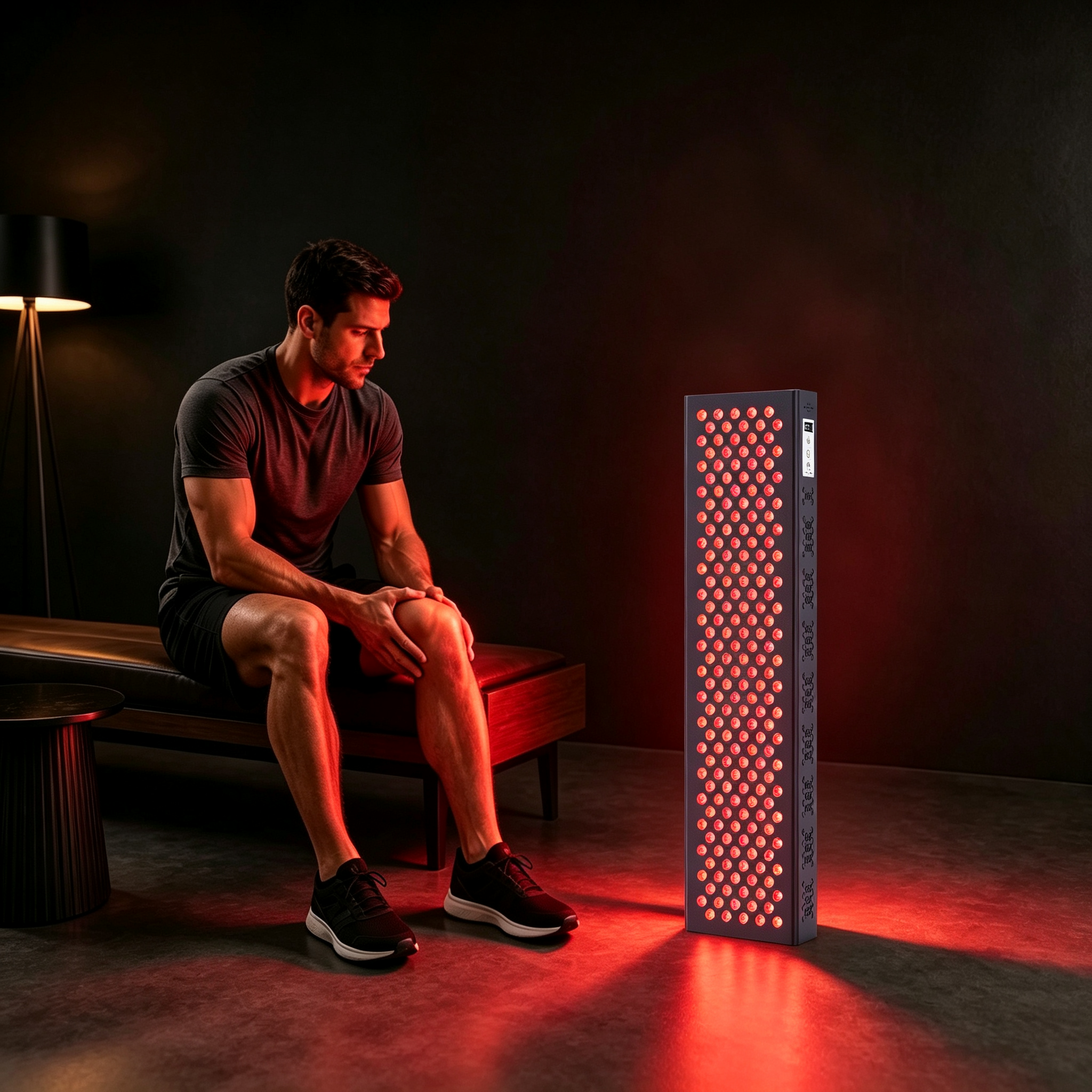
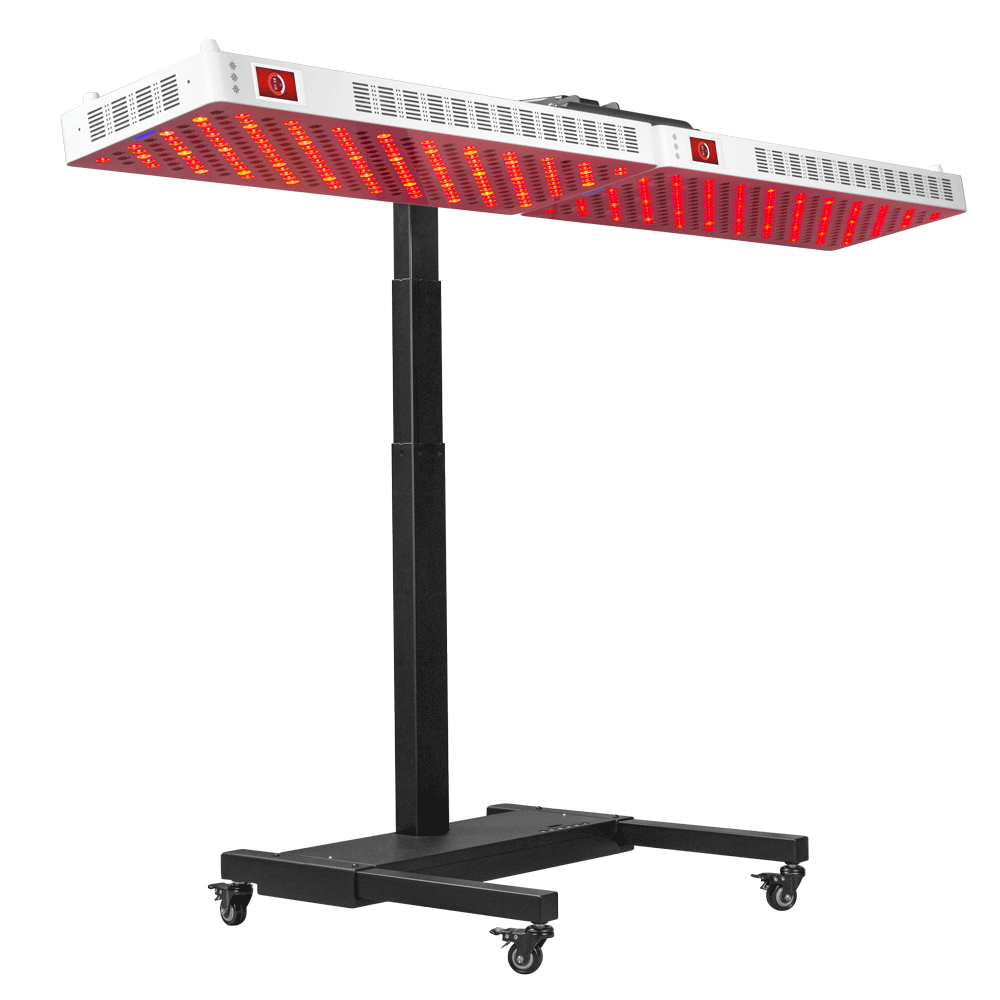
Red light therapy devices for pain use specific red and near-infrared light wavelengths to support the body's natural recovery process. Red light therapy devices for pain are designed to deliver light to sore muscles, joints, tendons, and other areas that need targeted comfort. The light reaches the skin and may support circulation, cellular energy, and a balanced inflammatory response without needles or medication. Most red light therapy devices for pain use LED panels, flexible pads, handheld tools, or wearable wraps. Each format suits a different routine: panels cover larger areas, pads conform to the body, and handheld units help users focus on one small location. Many red light therapy devices for pain offer adjustable intensity, preset session times, and simple controls. Some models combine red light with near-infrared light, which reaches deeper tissue than visible red light. Portable red light therapy devices for pain may include rechargeable batteries, while home panels usually connect to a standard outlet. Users often apply red light therapy devices for pain for short sessions several times per week, following the manufacturer's instructions. The best red light therapy devices for pain include protective eyewear when needed, automatic shutoff, low-heat operation, and clear treatment guidance. Buyers should check wavelength information, coverage area, timer settings, power source, warranty, and cleaning requirements before choosing. Red light therapy devices for pain can support home care after exercise, work, or everyday strain, but they do not replace professional diagnosis or treatment. People with photosensitivity, certain medical conditions, or prescribed light-sensitive medicines should seek medical advice before use. Overall, red light therapy devices for pain provide a convenient, noninvasive option for people seeking targeted support in a home-friendly format.

New Product Releases

Red light therapy devices for pain give buyers a practical way to add targeted light sessions to a daily wellness routine. Red light therapy devices for pain do not require pills, injections, or complicated preparation, so users can treat a selected area while reading, resting, or working from home. A short session can fit more easily into a busy schedule than repeated clinic visits. Many red light therapy devices for pain have built-in timers that stop treatment automatically, helping users follow consistent session lengths without watching the clock. Adjustable intensity also lets users begin gently and increase output as directed by the manufacturer. For households, red light therapy devices for pain may offer better long-term convenience than repeated single-use products because one device can serve several body areas. A flexible pad can wrap around a knee, shoulder, back, or wrist, while a panel can support broader muscle groups after exercise. Compact red light therapy devices for pain are easier to store and carry, making them useful during travel or at work. Buyers can also compare operating costs: LED devices generally consume limited power and create little heat during normal use. This helps make regular sessions comfortable and inexpensive to run. Red light therapy devices for pain suit people who want a noninvasive complement to stretching, rest, massage, or physical therapy guidance. They may support comfort, mobility, and recovery habits, but results vary by person and condition. Product context matters: a larger device may save time through wider coverage, whereas a handheld model may provide more precise placement. Check return policies, warranty length, irradiance information, treatment instructions, and customer support before purchase. Red light therapy devices for pain should be selected for the intended area, schedule, and comfort level rather than appearance alone. Users should stop if irritation occurs and ask a healthcare professional about persistent or worsening symptoms.

Tips And Tricks

Which Features Matter in Red Light Therapy Devices for Veterinary Clinics?

01

Oct

Which Features Matter in Red Light Therapy Devices for Veterinary Clinics?

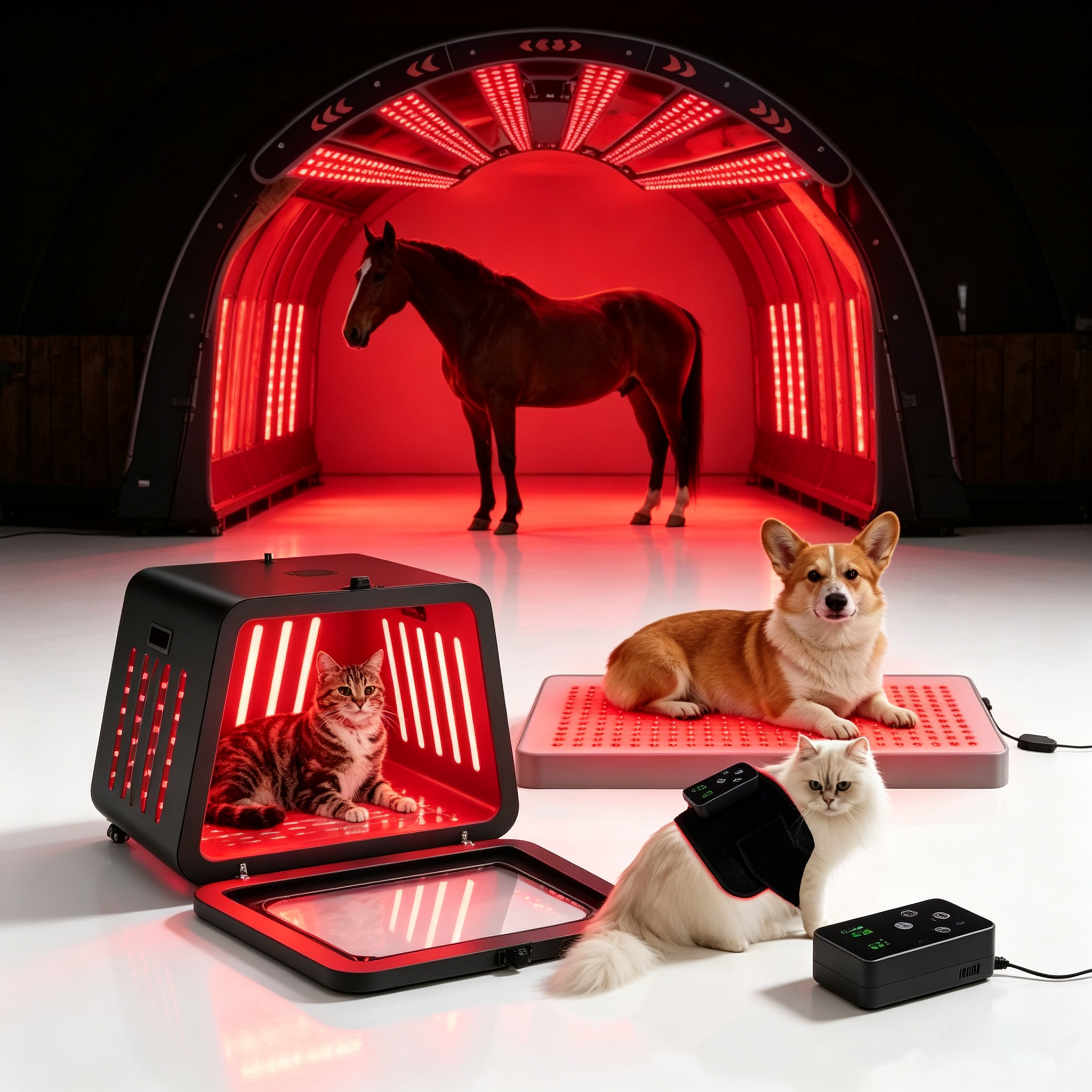
Veterinary clinics increasingly recognize the therapeutic value of light-based treatments for animal patients. Understanding which features matter most in pet red light devices is essential for clinicians selecting equipment that delivers measurable ...
View More
What Is Medical Red Light Technology and Where Is It Commonly Used?

29

Oct

What Is Medical Red Light Technology and Where Is It Commonly Used?

Medical red light technology has emerged as a powerful therapeutic tool in modern healthcare, offering non-invasive solutions for tissue healing and cellular regeneration. This sophisticated approach leverages specific light wavelengths to stimulate ...
View More
What Safety Controls Should an Infrared Sauna Blanket Include?

15

Oct

What Safety Controls Should an Infrared Sauna Blanket Include?

Selecting an infrared sauna blanket requires careful evaluation of built-in safety controls to protect users during sessions. An infrared sauna blanket emits far-infrared wavelengths that penetrate skin tissue, triggering therapeutic responses throug...
View More
What Safety Features Should Buyers Check in Laser Therapy Devices?

22

Oct

What Safety Features Should Buyers Check in Laser Therapy Devices?

When selecting laser therapy equipment, understanding critical safety features is essential to ensure both patient protection and regulatory compliance. Medical professionals and facility operators must carefully evaluate devices before purchase to a...
View More

Get a Free Quote

Our representative will contact you soon.
Email
Name
Company Name
Mobile
Message
0/1000

red light therapy devices for pain

Targeted Coverage for Daily Comfort

Targeted Coverage for Daily Comfort

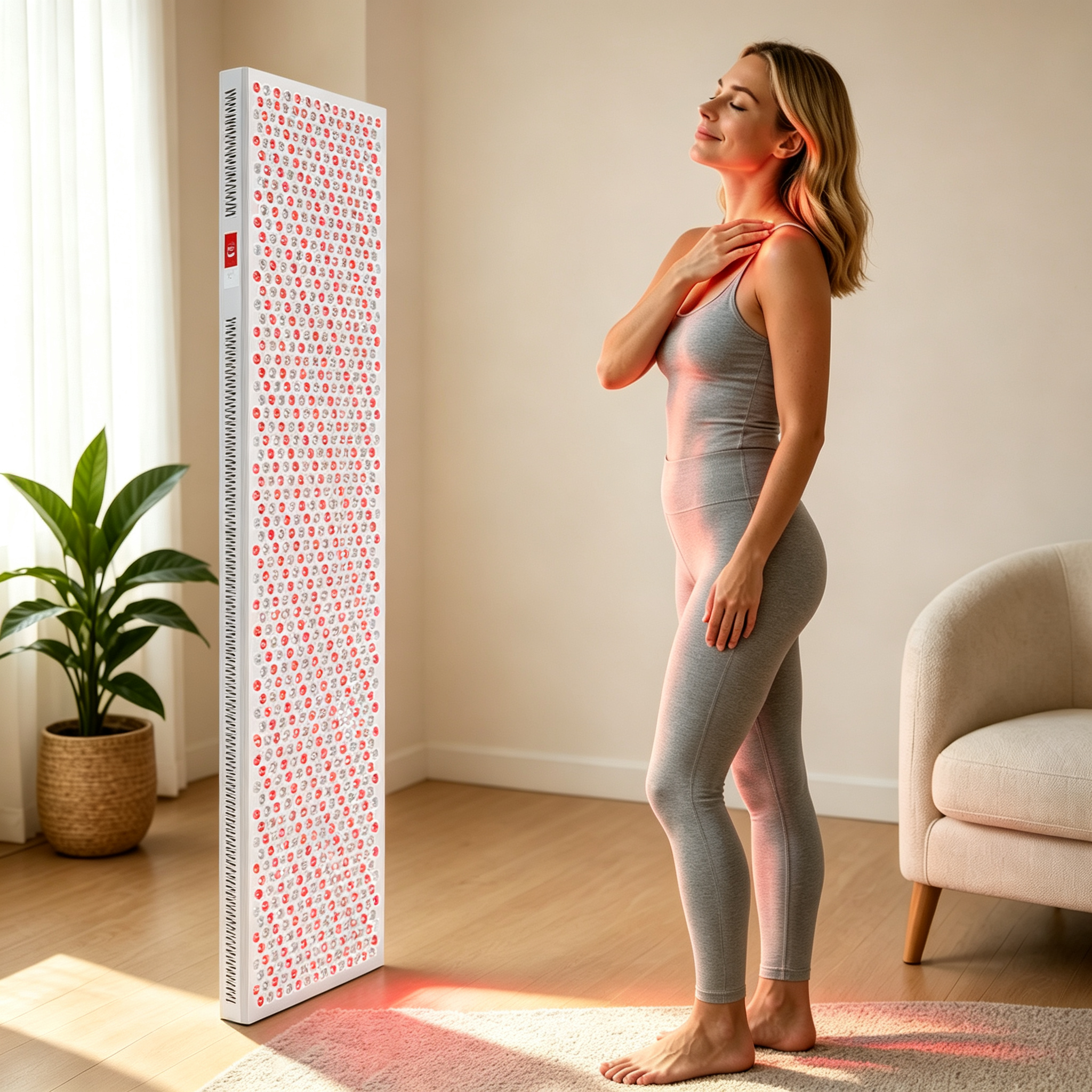
Red light therapy devices for pain stand out when their design matches the area being treated. A flexible wrap can follow the shape of a knee, elbow, shoulder, or lower back, keeping LEDs close to the skin during a session. Red light therapy devices for pain with broad panels can cover the back, legs, or several muscle groups at once, reducing the need to reposition the equipment. Handheld red light therapy devices for pain offer a different advantage: precise placement over a small joint or tight muscle. This choice gives buyers control over both convenience and treatment focus. Look for even light distribution rather than isolated bright spots, since consistent coverage supports a more predictable routine. Secure straps, soft materials, and a stable base also matter because movement can interrupt a session. Red light therapy devices for pain that fit naturally into the user's posture are more likely to receive regular use. The practical value is simple: better fit, easier placement, and less time spent adjusting the device.
Useful Wavelength and Control Options

Useful Wavelength and Control Options

A key selling point of red light therapy devices for pain is the ability to combine visible red light with near-infrared light. Red light therapy devices for pain using both ranges can support surface-level and deeper-area routines, giving users more flexibility than a single-light design. Buyers should review the listed wavelengths instead of relying on vague claims. Clear product specifications make it easier to compare models and understand what the device is intended to do. Red light therapy devices for pain may also include several intensity levels, preset programs, and adjustable timers. These controls help users create a comfortable routine and avoid guessing how long a session should last. Some red light therapy devices for pain remember settings or use a remote control, which can be useful when the device is positioned behind the body. Low-heat LED operation improves comfort, especially during longer sessions. The best controls are simple enough for first-time users but flexible enough for regular use. This combination of wavelength transparency and easy adjustment helps customers choose with confidence and operate the product consistently.
Portable, Low-Maintenance Home Use

Portable, Low-Maintenance Home Use

Red light therapy devices for pain bring the main benefit of light treatment into a private, familiar setting. Rechargeable red light therapy devices for pain can move from a bedroom to an office, gym bag, or travel case without depending on a nearby outlet. Corded models may provide stronger or longer operation for users who prefer a fixed home station. Red light therapy devices for pain with wipe-clean surfaces and removable covers make routine care easier and help maintain a fresh treatment area. Automatic shutoff adds a useful safety and convenience feature, especially when users relax during a session. Red light therapy devices for pain can also reduce the effort linked with appointments, travel, and waiting rooms. Their quiet operation allows users to pair a session with calm activities, while lightweight construction simplifies storage. Before buying, confirm battery life, charging time, cable length, device weight, and warranty coverage. Red light therapy devices for pain offer the most value when their upkeep, controls, and storage demands fit the buyer's real routine. That practical match encourages steady use and makes the device a more worthwhile addition to personal care.

Get a Free Quote

Our representative will contact you soon.
Email
Name
Company Name
Mobile
Message
0/1000