High Intensity Laser Therapy Guide

high intensity laser therapy

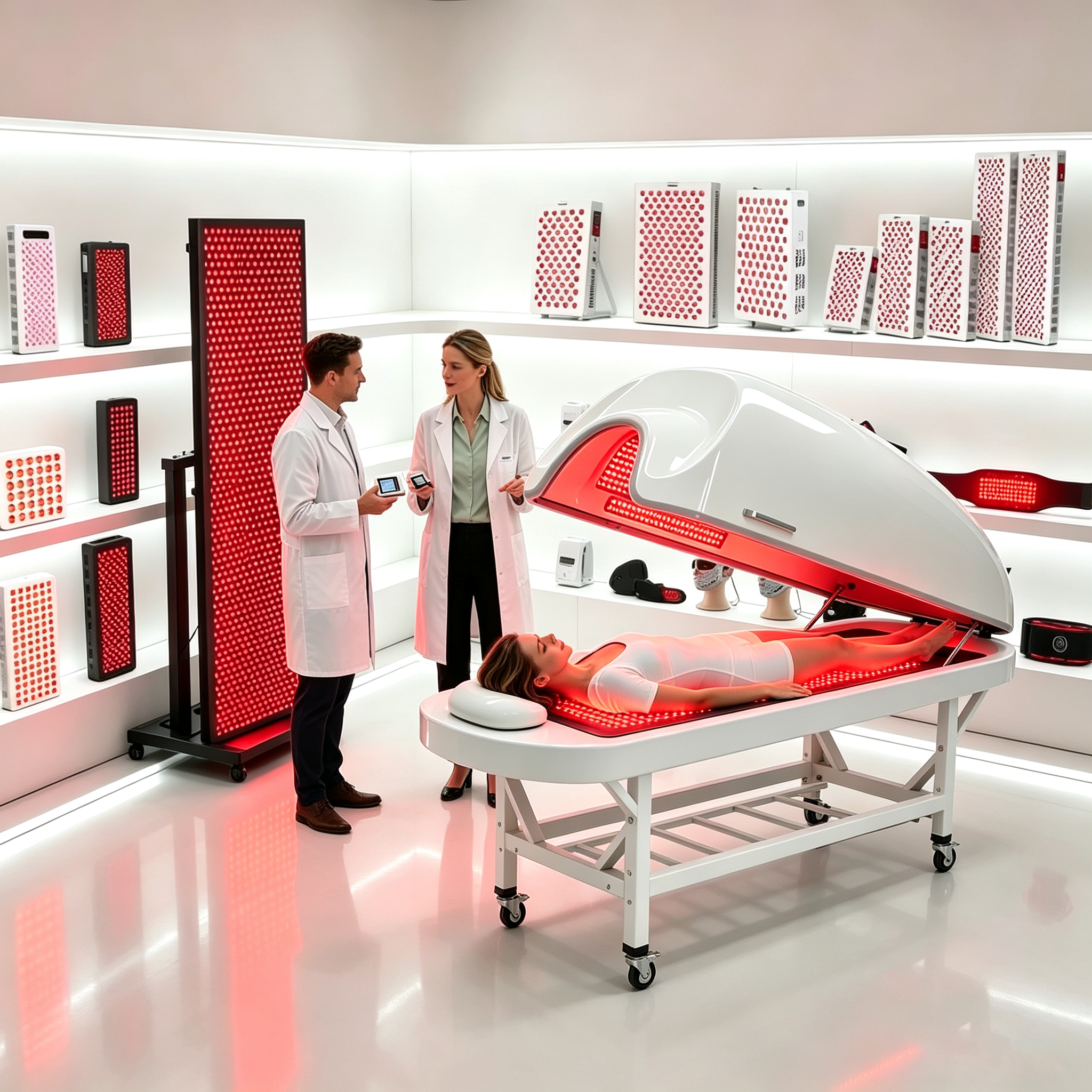
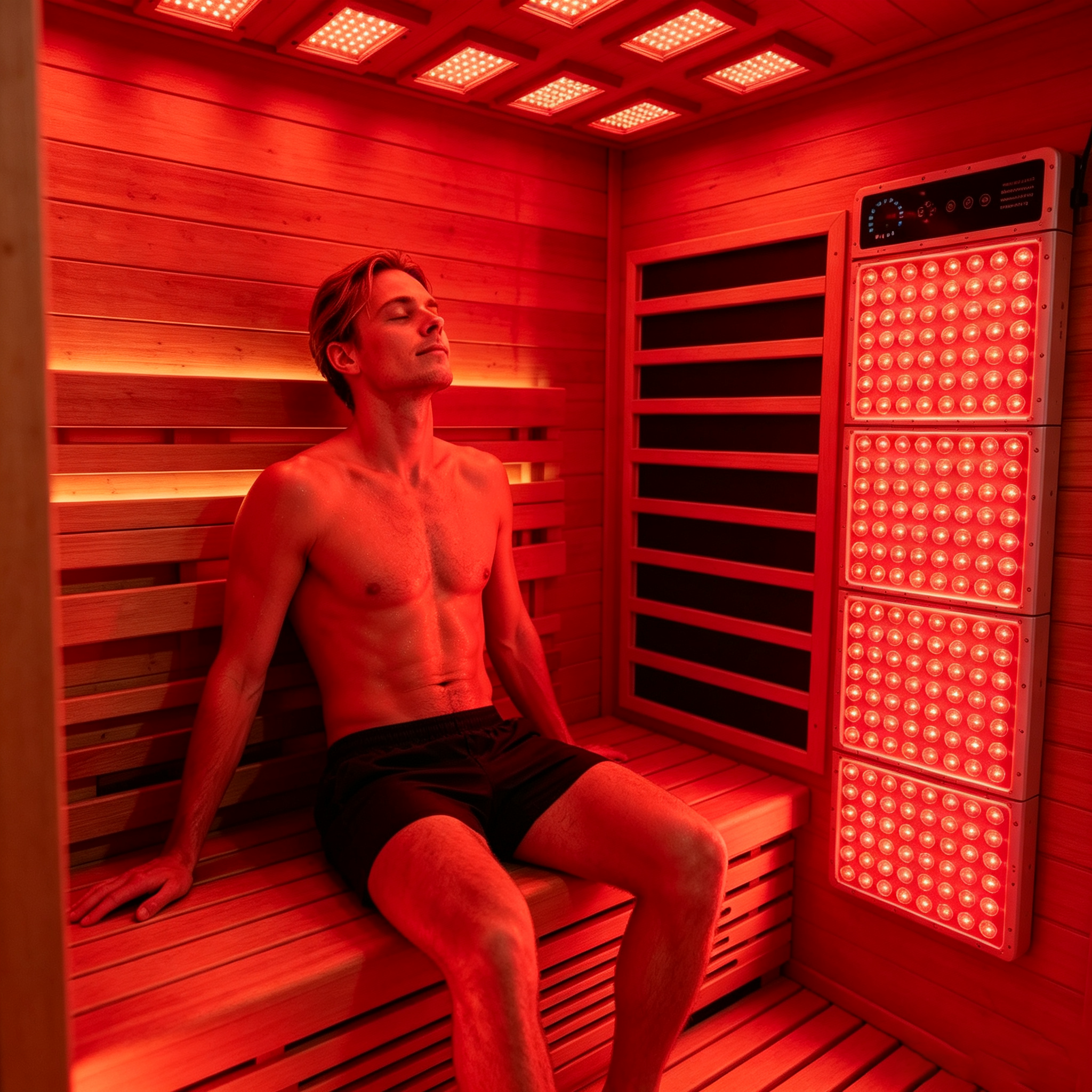
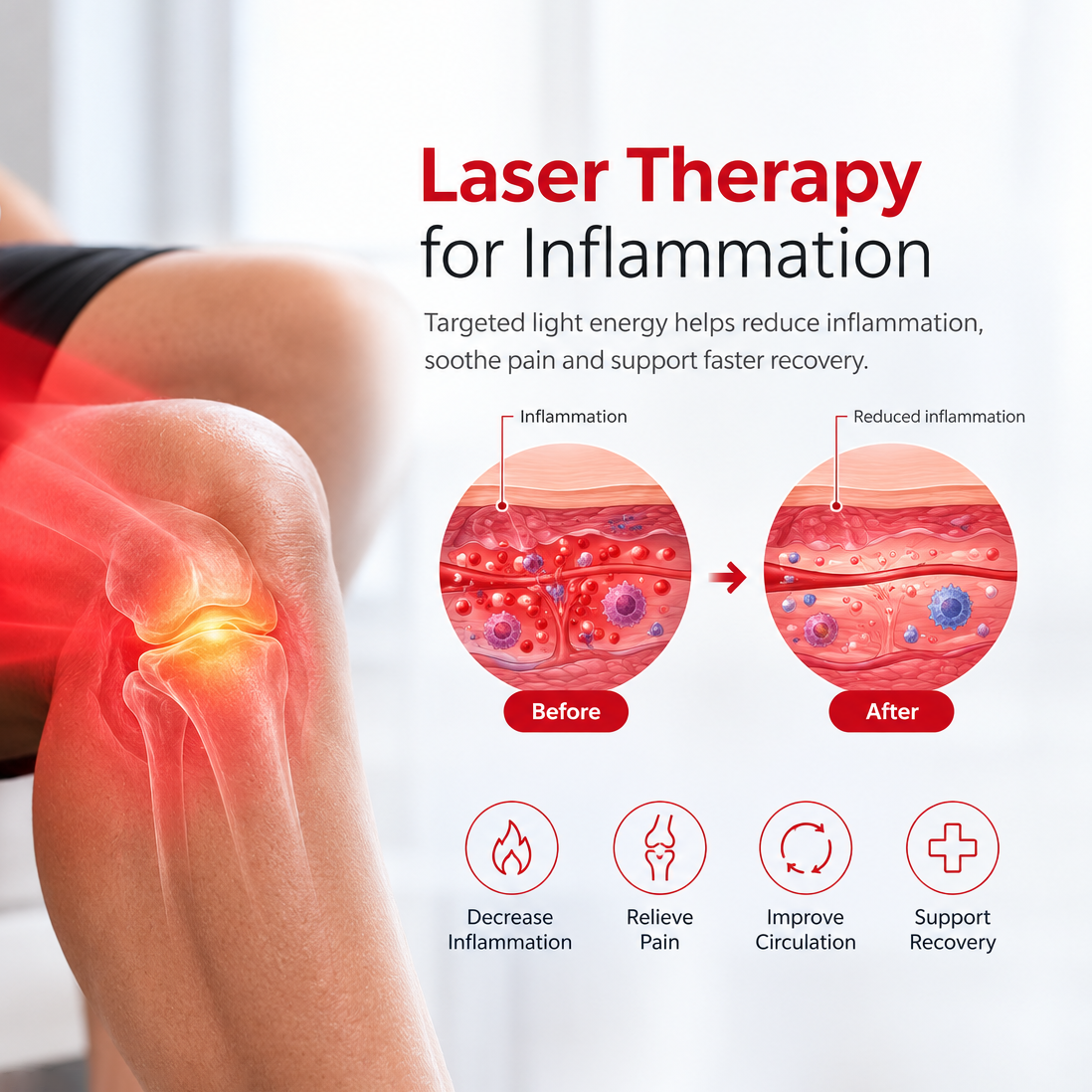
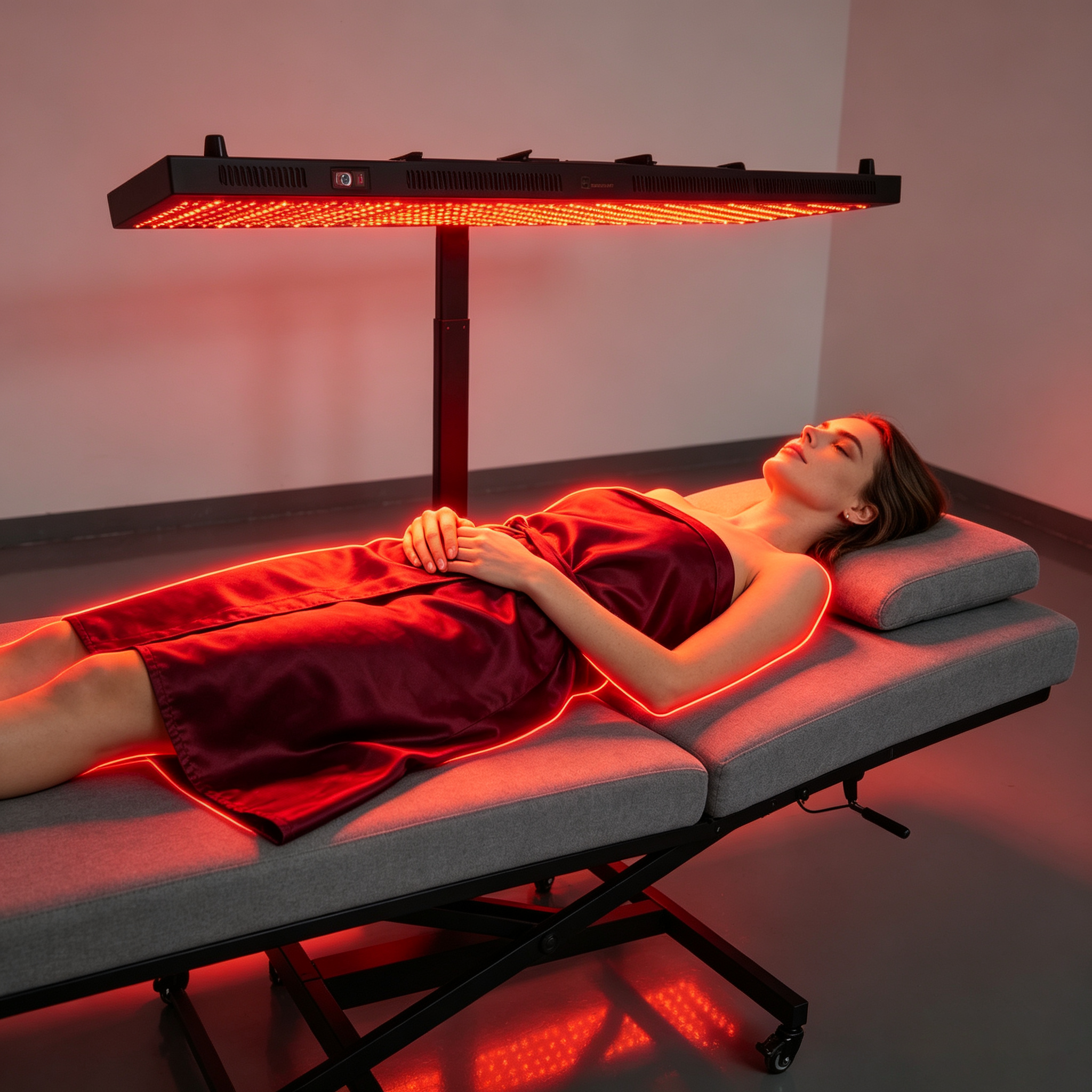
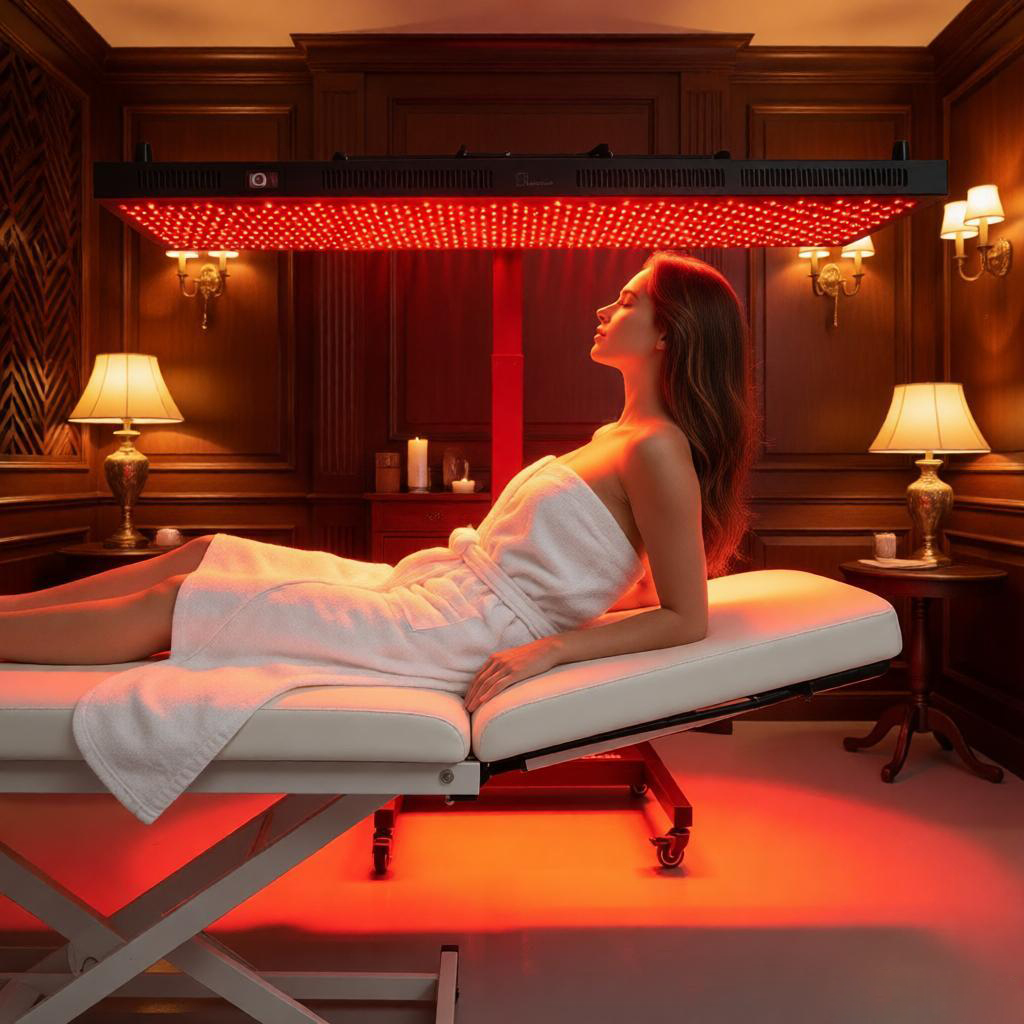
High intensity laser therapy is a noninvasive treatment that uses concentrated light energy to support pain relief, tissue repair, and improved movement. A high intensity laser therapy system delivers light deeper than many basic light therapy devices, allowing practitioners to target muscles, joints, tendons, ligaments, and other soft tissues. The energy can encourage local circulation, support the body’s natural repair response, and help reduce discomfort linked to inflammation or injury. High intensity laser therapy does not cut the skin, require injections, or rely on medication, making it a practical option for many rehabilitation plans. The treatment head usually rests on or moves across the affected area while the operator selects suitable power, pulse settings, and treatment time. Modern high intensity laser therapy equipment may include adjustable wavelengths, touchscreen controls, preset protocols, cooling systems, safety locks, and treatment timers. These features help staff deliver consistent sessions while adapting care to each patient. During high intensity laser therapy, patients commonly feel gentle warmth, although the experience varies by settings and treatment location. Providers may use the approach alongside exercise, manual care, stretching, or other rehabilitation methods. Common applications include sports injuries, back and neck discomfort, arthritis-related pain, tendon problems, sprains, strains, and recovery after certain procedures. The best results depend on professional assessment, correct positioning, suitable settings, and a treatment plan matched to the person’s condition. For clinics, high intensity laser therapy can add a flexible, non-surgical service that supports efficient patient care. It is important to view the technology as a clinical tool, not a guaranteed cure, and to follow qualified guidance before use.

New Product Recommendations

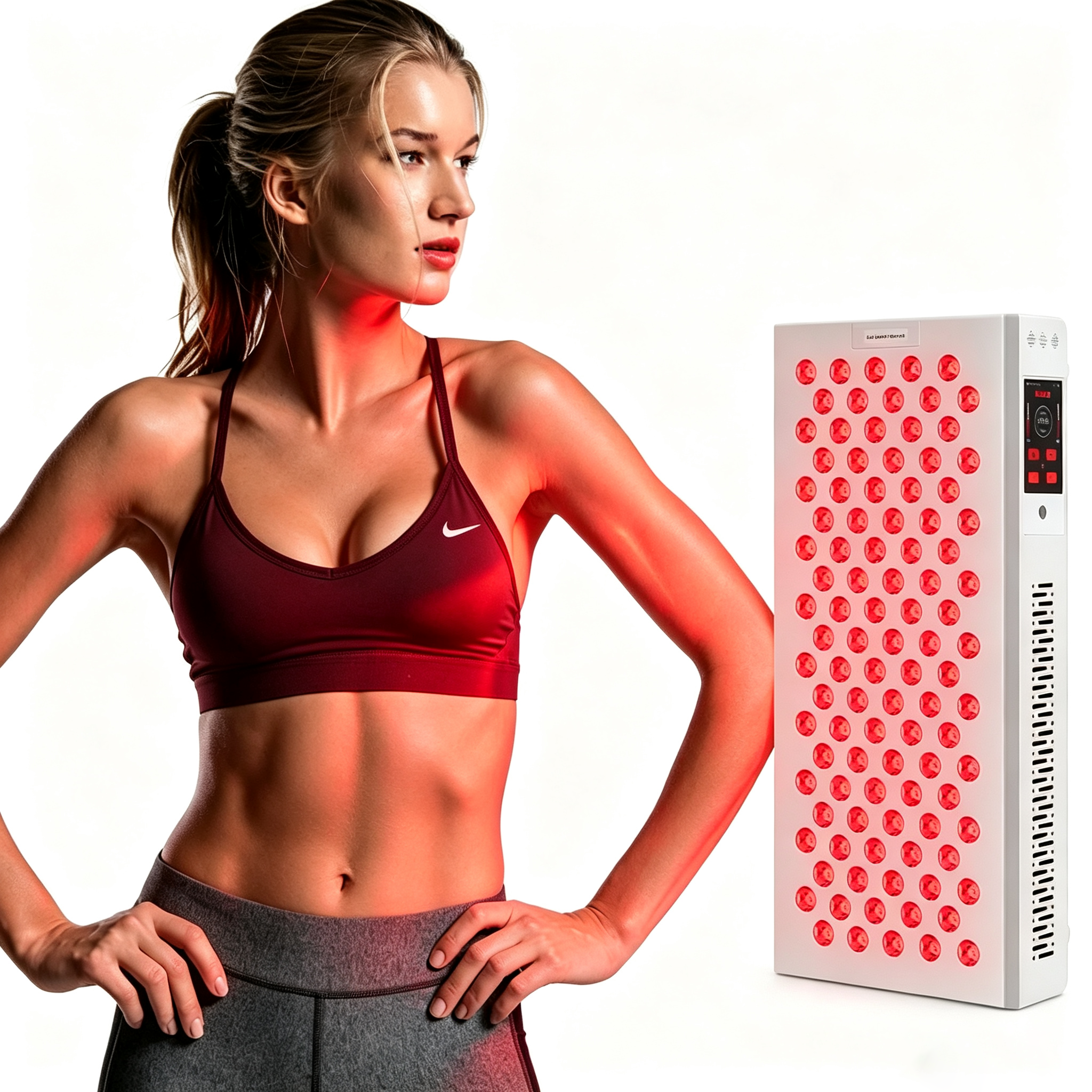
High intensity laser therapy offers practical value for clinics, rehabilitation centers, sports practices, and patients seeking a drug-free treatment option. Because high intensity laser therapy works without needles or incisions, many patients find it easier to accept than invasive procedures. Sessions can fit into a broader care plan, helping practitioners combine pain management with movement training and recovery exercises. This high intensity laser therapy approach may also help patients return to normal activity with greater confidence when a professional selects appropriate settings and monitors progress. For buyers, high intensity laser therapy equipment can expand a service menu without requiring a large treatment room or complex supporting infrastructure. A mobile or compact design can help staff use the same unit across consultation rooms, therapy spaces, or athletic facilities. High intensity laser therapy systems with stored programs, adjustable output, and clear displays can reduce setup time and make daily operation more consistent. Simple controls also shorten staff training and lower the chance of avoidable setting errors. In busy practices, high intensity laser therapy may support smoother scheduling because treatment can be planned around exercise, assessment, or manual sessions. The technology suits a wide range of applications, including muscle soreness, joint stiffness, tendon irritation, sports recovery, and selected chronic pain programs. Buyers should compare power range, wavelength options, treatment head design, safety features, warranty coverage, service support, and staff education before choosing a model. High intensity laser therapy is most valuable when the device matches the practice’s patient volume and clinical goals. A reliable system can support repeatable care, professional presentation, and better use of existing rooms. It may also create an opportunity to attract patients who prefer conservative, non-drug options. However, outcomes vary, so providers should avoid promising instant results and should use the device within local regulations and professional standards. With suitable training and documentation, high intensity laser therapy can become a useful part of a responsible, patient-focused service.

Tips And Tricks

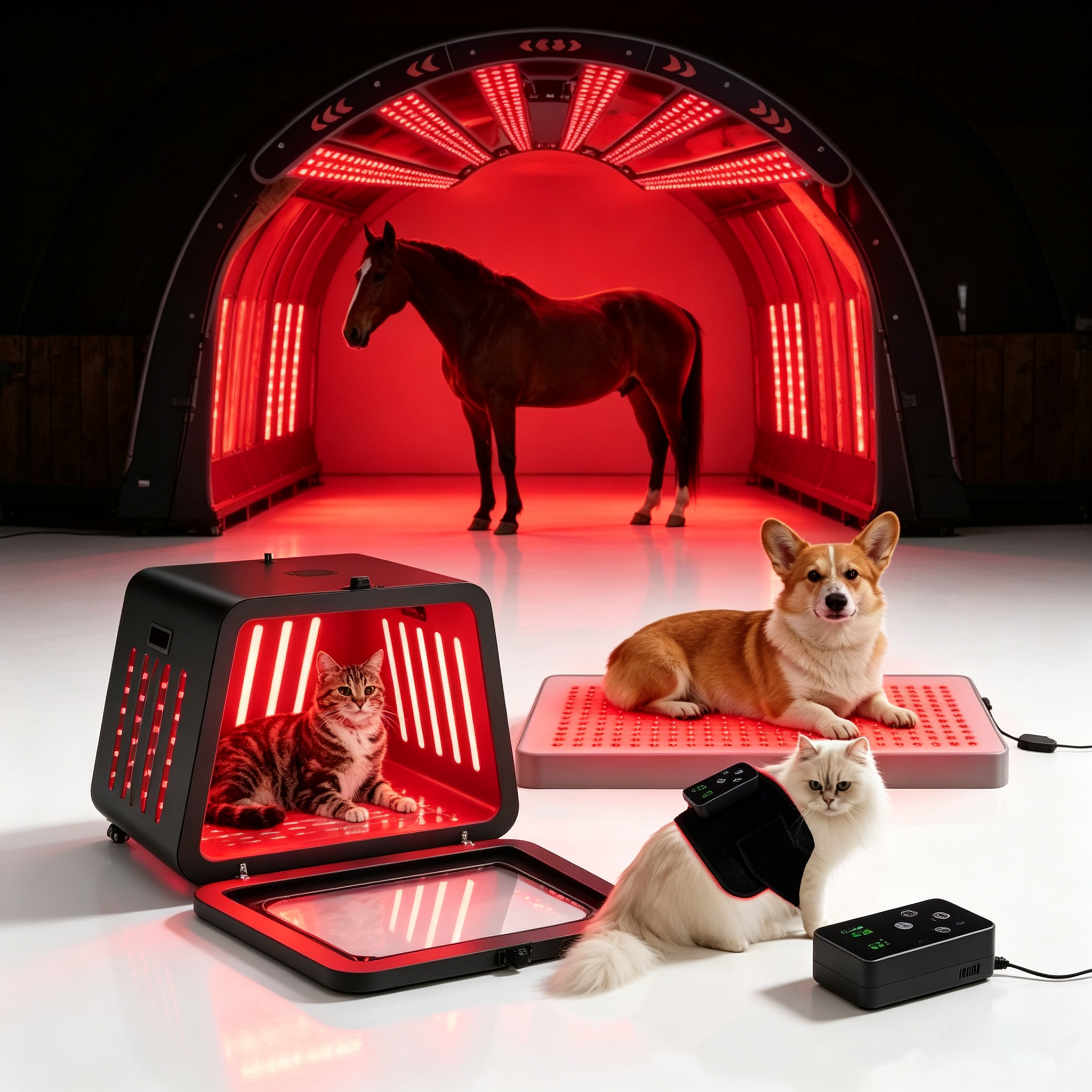
Which Features Matter in Red Light Therapy Devices for Veterinary Clinics?

01

Oct

Which Features Matter in Red Light Therapy Devices for Veterinary Clinics?

Veterinary clinics increasingly recognize the therapeutic value of light-based treatments for animal patients. Understanding which features matter most in pet red light devices is essential for clinicians selecting equipment that delivers measurable ...
View More
What Is Medical Red Light Technology and Where Is It Commonly Used?

29

Oct

What Is Medical Red Light Technology and Where Is It Commonly Used?

Medical red light technology has emerged as a powerful therapeutic tool in modern healthcare, offering non-invasive solutions for tissue healing and cellular regeneration. This sophisticated approach leverages specific light wavelengths to stimulate ...
View More
What Safety Controls Should an Infrared Sauna Blanket Include?

15

Oct

What Safety Controls Should an Infrared Sauna Blanket Include?

Selecting an infrared sauna blanket requires careful evaluation of built-in safety controls to protect users during sessions. An infrared sauna blanket emits far-infrared wavelengths that penetrate skin tissue, triggering therapeutic responses throug...
View More
What Safety Features Should Buyers Check in Laser Therapy Devices?

22

Oct

What Safety Features Should Buyers Check in Laser Therapy Devices?

When selecting laser therapy equipment, understanding critical safety features is essential to ensure both patient protection and regulatory compliance. Medical professionals and facility operators must carefully evaluate devices before purchase to a...
View More

Get a Free Quote

Our representative will contact you soon.
Email
Name
Company Name
Mobile
Message
0/1000

high intensity laser therapy

Deep, Adjustable Energy Delivery

Deep, Adjustable Energy Delivery

A key strength of high intensity laser therapy is the ability to deliver controlled light energy to selected treatment areas. Compared with simpler light devices, high intensity laser therapy equipment can provide stronger output and configurable settings that help practitioners adapt care to tissue depth, sensitivity, and clinical purpose. Adjustable power, pulse modes, and treatment duration give operators more control instead of forcing every patient into one fixed program. This high intensity laser therapy flexibility matters when a clinic treats varied needs, from superficial soft tissue discomfort to deeper muscle or joint concerns. Some systems offer multiple wavelengths or treatment heads, allowing the provider to choose a suitable combination for the intended application. The technology does not replace assessment, but it gives trained professionals a broader set of delivery options. For buyers, that flexibility can improve equipment utilization, support more service types, and reduce the need to purchase separate devices for every treatment category.
Efficient Workflow and Simple Controls

Efficient Workflow and Simple Controls

High intensity laser therapy can improve the treatment workflow when the unit combines clear controls with repeatable operating steps. Touchscreen interfaces, guided programs, timers, and saved protocols help practitioners prepare sessions quickly while maintaining a consistent process. High intensity laser therapy systems may also include visual or audible alerts, handpiece detection, emergency stops, and protective eyewear guidance. These features support safer operation and make the equipment easier for trained staff to use across different rooms. A high intensity laser therapy unit with a compact footprint can fit into rehabilitation clinics, physiotherapy spaces, sports centers, and private practices without major remodeling. Portable designs may let teams bring care closer to patients or move the device between treatment areas. Faster setup can help clinics manage appointment schedules more effectively, while straightforward navigation reduces unnecessary interruptions. The buyer benefit is a practical combination of professional control, staff usability, and better day-to-day productivity.
Broad Support for Recovery Programs

Broad Support for Recovery Programs

The versatility of high intensity laser therapy makes it suitable for many recovery-focused programs. Providers may consider high intensity laser therapy for selected cases involving muscular discomfort, joint limitations, tendon irritation, sprains, strains, sports overuse, or post-treatment rehabilitation. Its noninvasive format can appeal to people who want support without injections or medication, while its adjustable delivery allows care to be adapted as symptoms change. High intensity laser therapy can work alongside mobility drills, strengthening, massage, stretching, and other clinician-directed methods rather than replacing them. This combined approach helps practices build a more complete patient journey and monitor progress over several visits. For buyers, broad application potential can improve return on equipment investment by serving different patient groups throughout the week. Clinics should still use professional screening, informed consent, appropriate safety measures, and realistic communication about outcomes. Used responsibly, the system can strengthen a modern practice’s offering and provide patients with another structured option for managing recovery.

Get a Free Quote

Our representative will contact you soon.
Email
Name
Company Name
Mobile
Message
0/1000