laser physical therapy
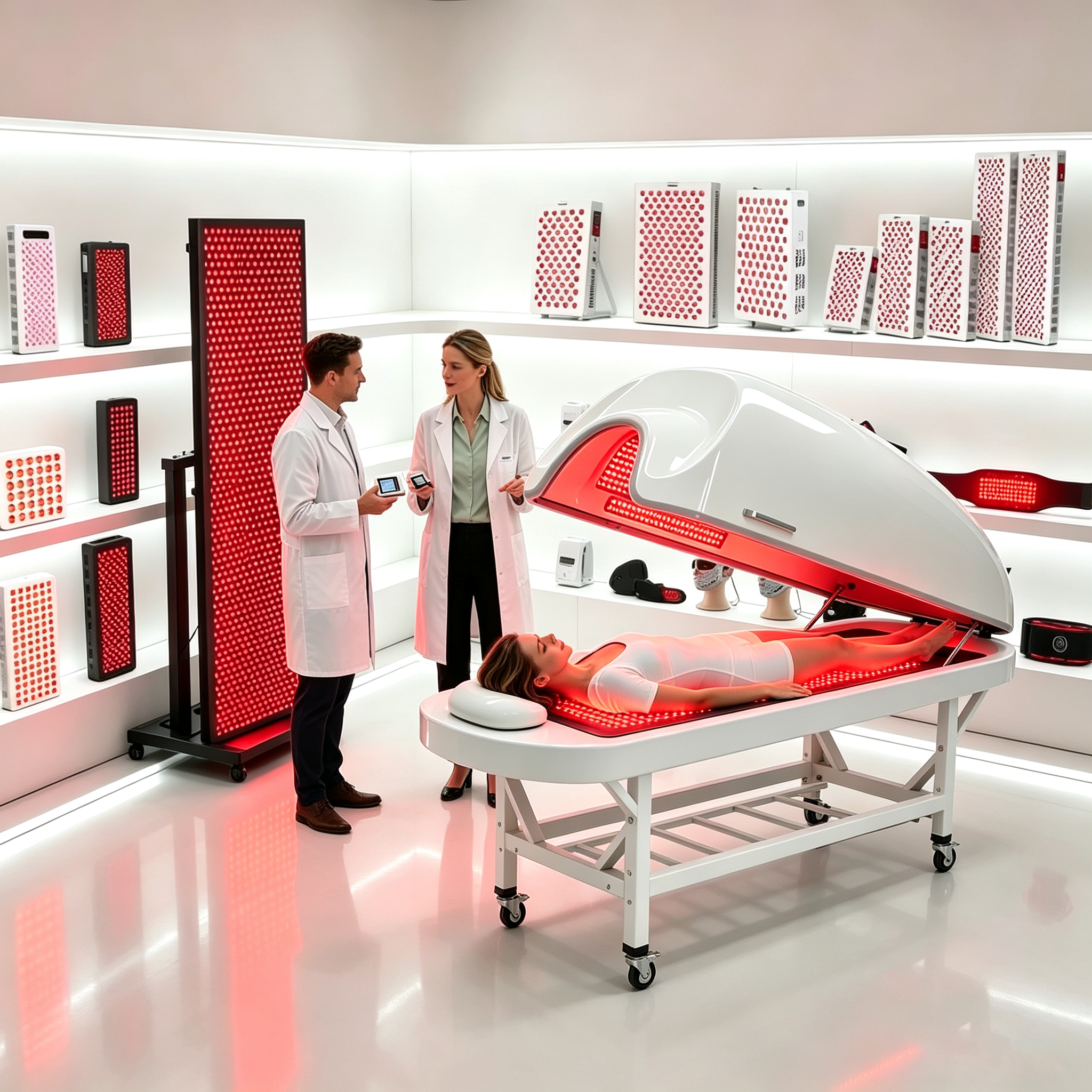
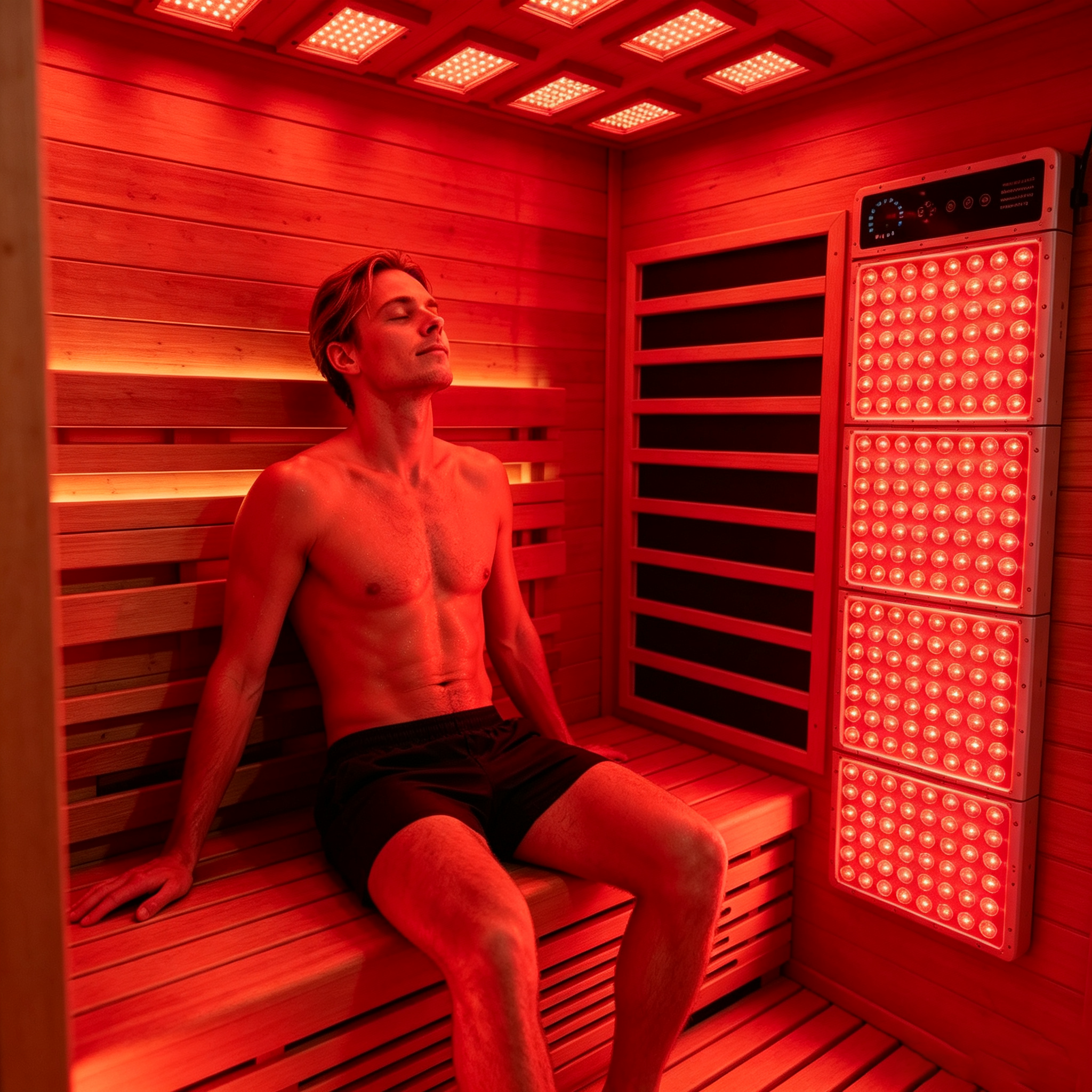
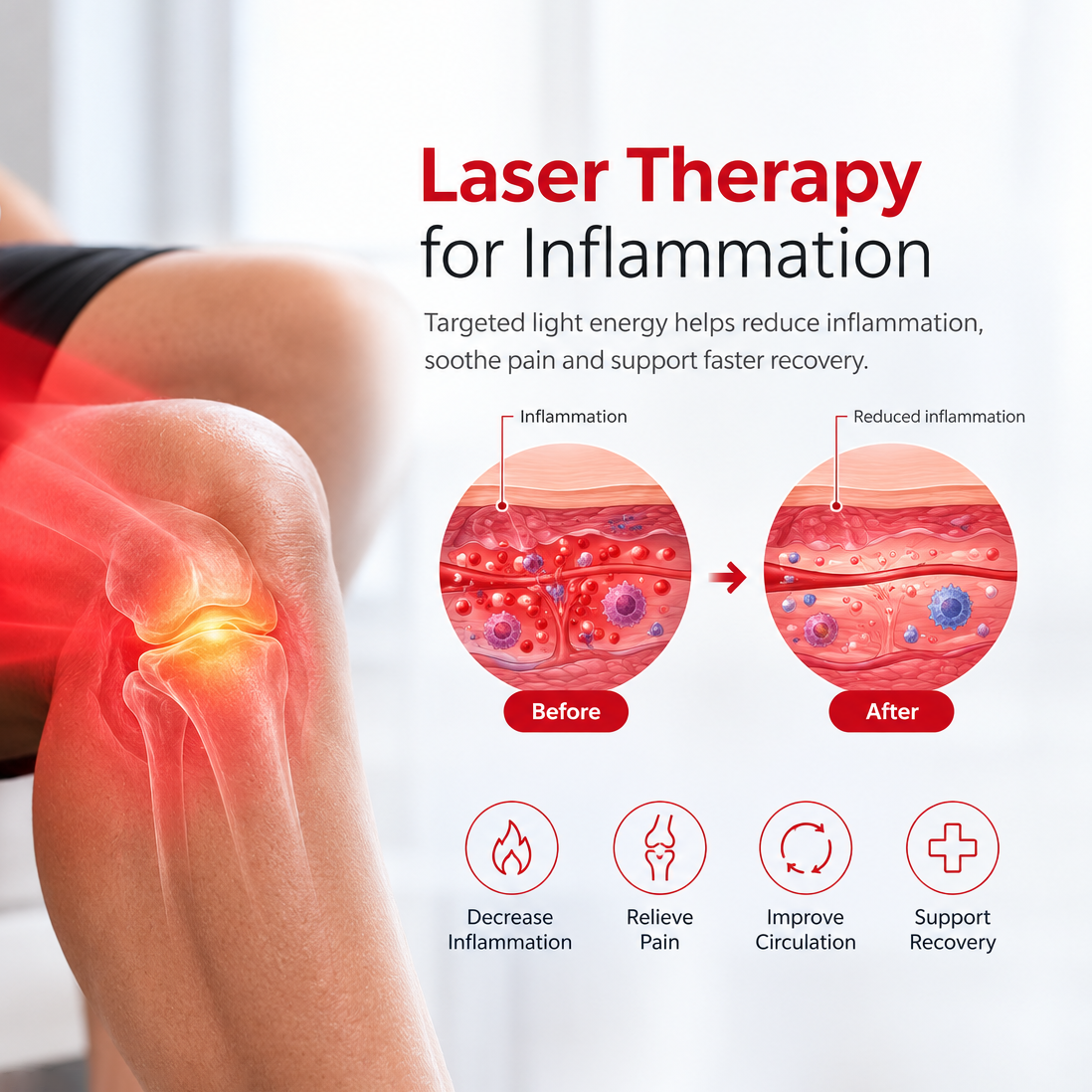
Laser physical therapy is a noninvasive treatment that uses focused light to support pain relief, tissue repair, and improved movement. A device sends controlled light energy into a selected area, where it may encourage circulation, reduce local swelling, and support the body's natural recovery process. Unlike surgery or injections, laser physical therapy does not break the skin and usually requires little or no recovery time. Modern laser physical therapy systems offer adjustable power, treatment time, pulse settings, and wavelength options. These controls help practitioners match the session to the patient's condition, body area, and comfort level. Many units include a handheld applicator, digital display, preset programs, safety lock, and contact or noncontact operating modes. Laser physical therapy can support care for muscle strains, joint discomfort, tendon problems, sports injuries, back pain, and post-treatment recovery. Clinics may combine laser physical therapy with stretching, manual care, exercise, or other rehabilitation methods. Home users should follow professional guidance because correct positioning and settings affect both comfort and results. During a session, the operator places the applicator over the target area or moves it across the skin. Patients commonly feel gentle warmth, mild pressure, or no sensation at all. A typical visit lasts several minutes, while a complete plan depends on the problem and response. Laser physical therapy is best viewed as part of a broader care plan, not a guaranteed cure. Its main appeal is simple operation, targeted support, and a comfortable approach that can fit many rehabilitation settings.