Infrared Light Physiotherapy Guide

infrared light physiotherapy

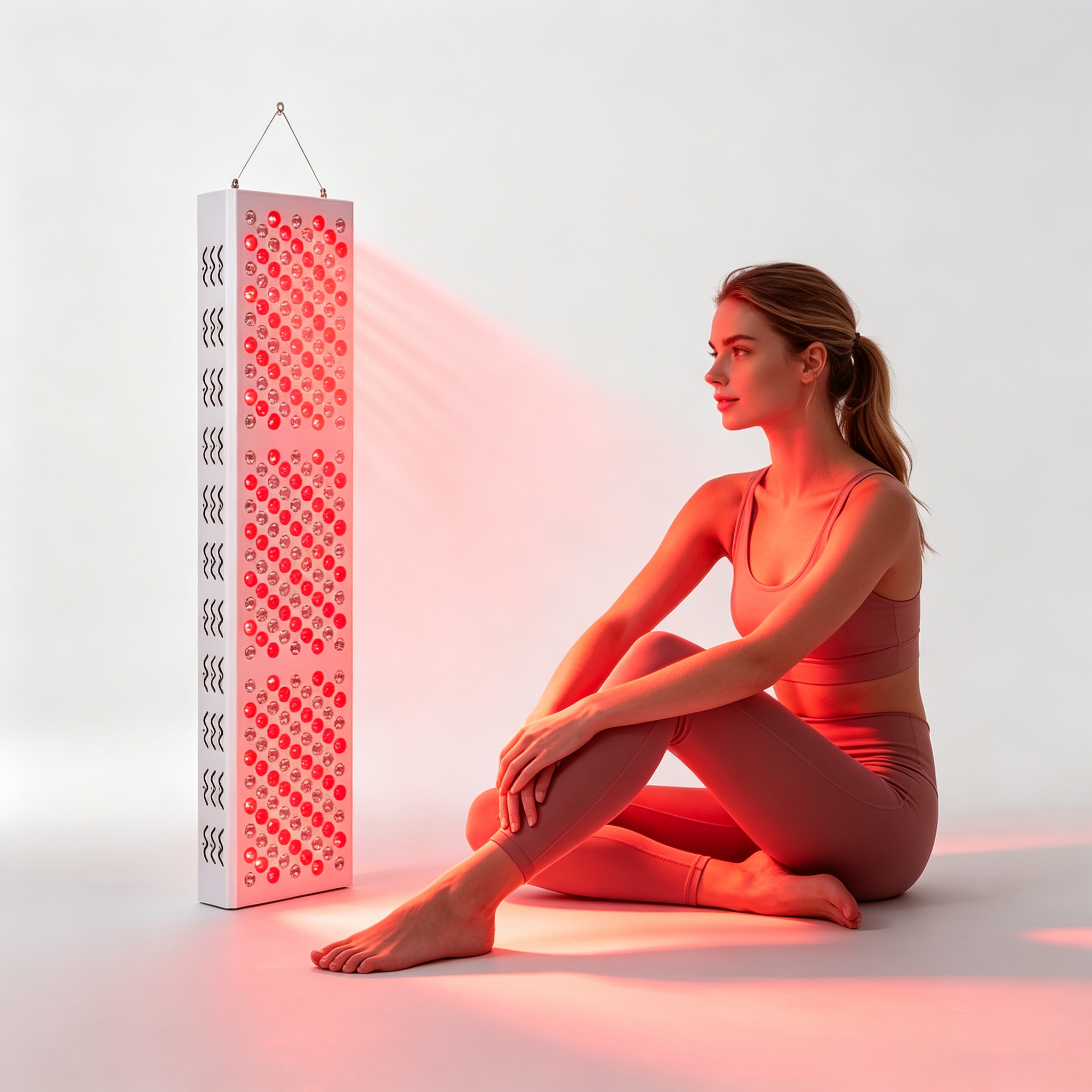
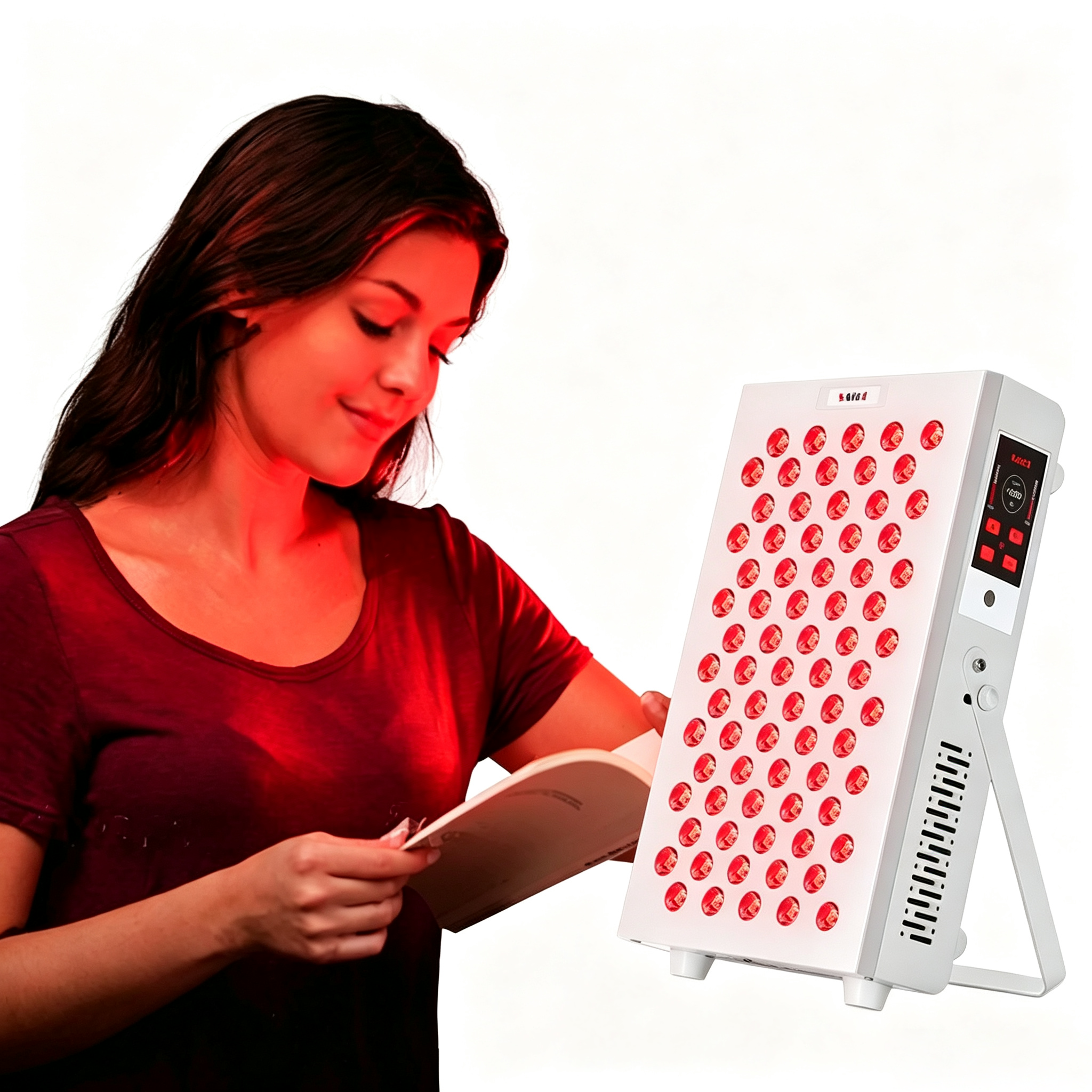
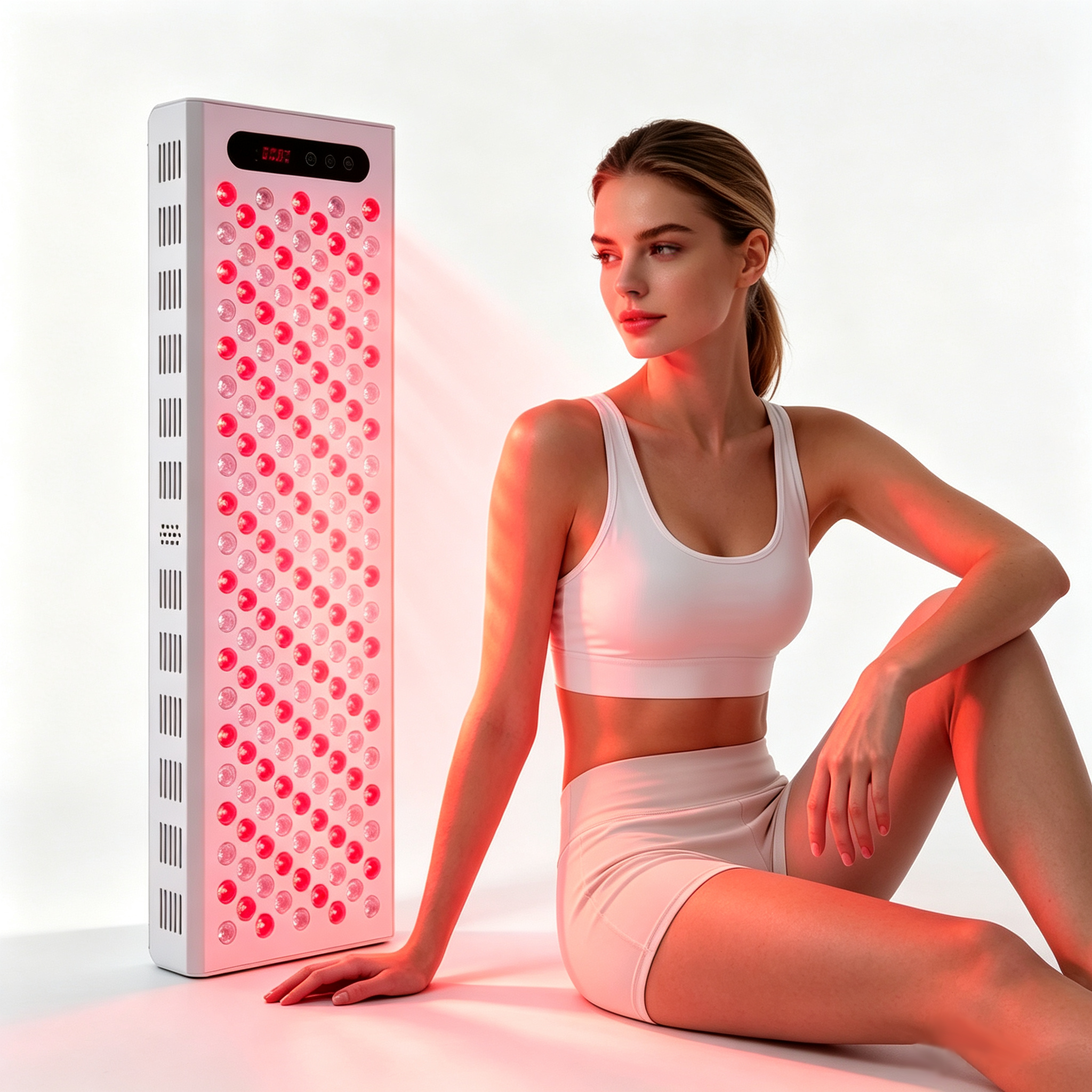
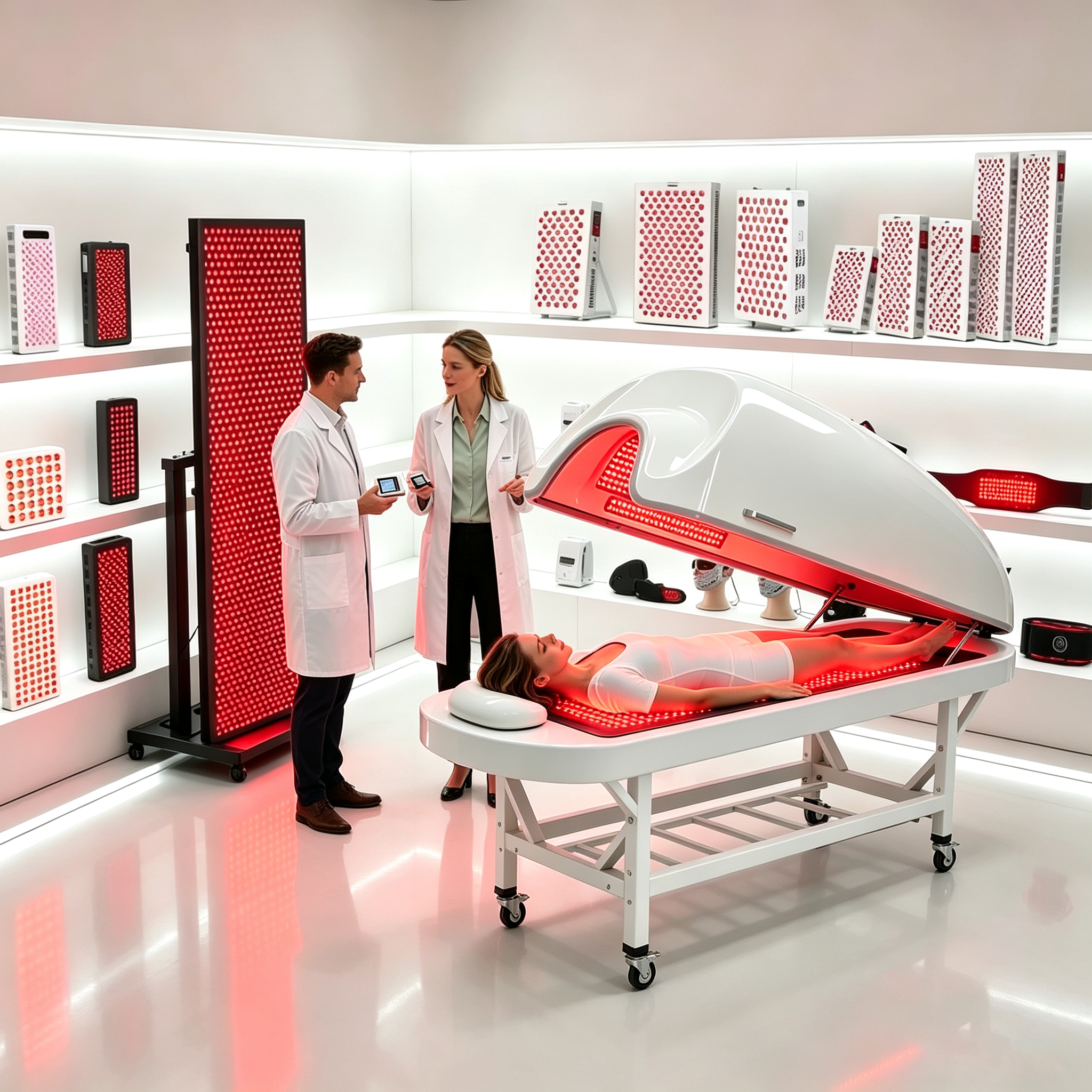
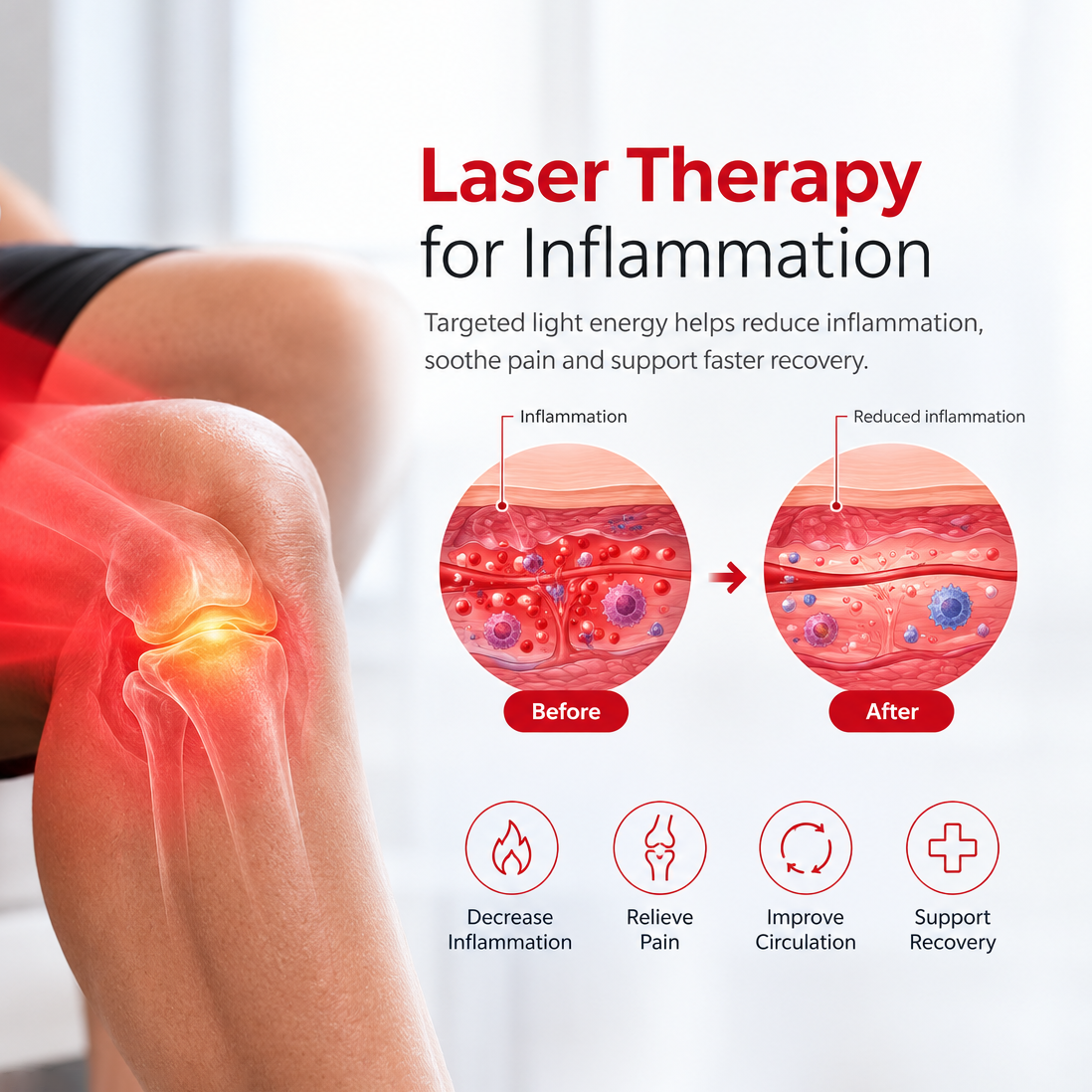
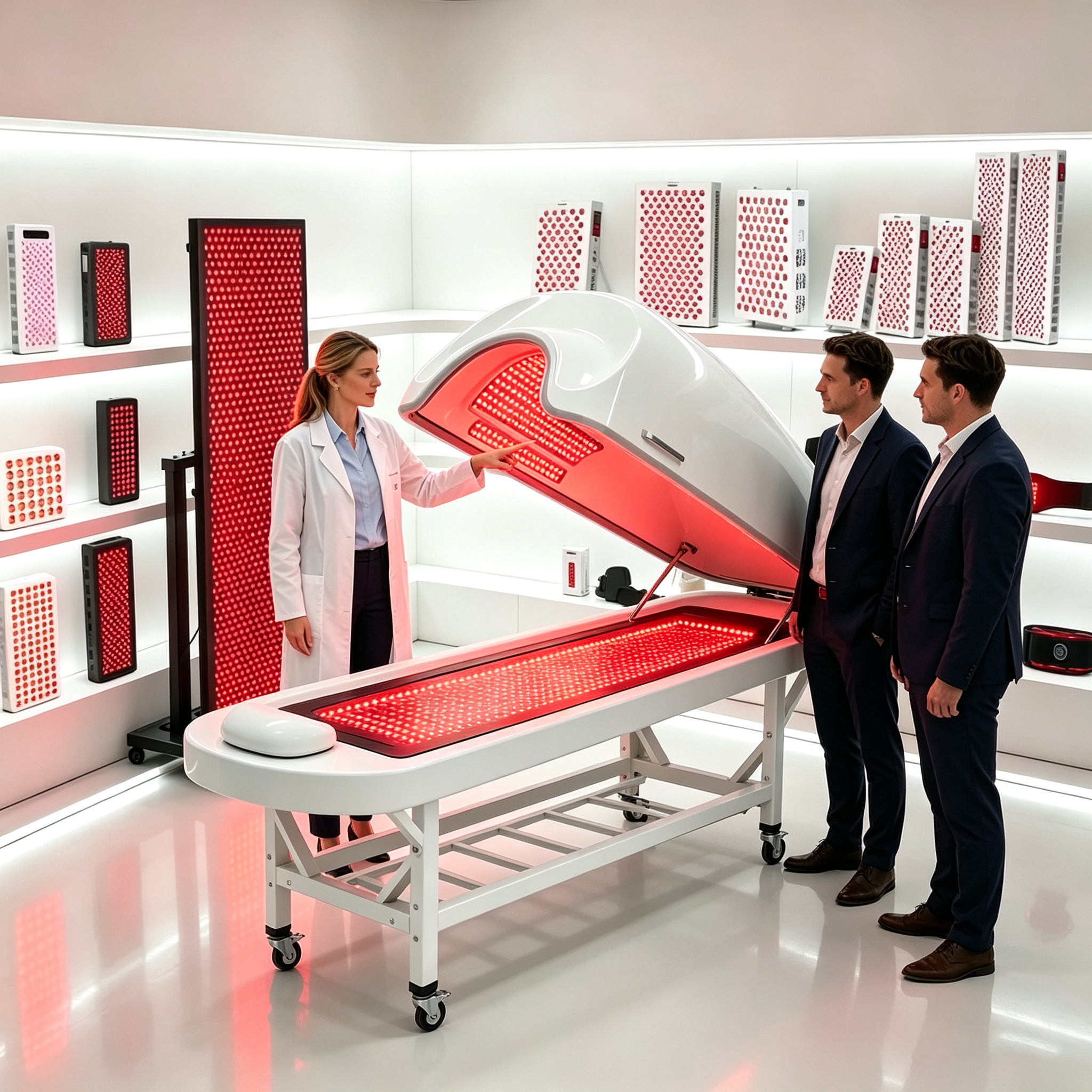
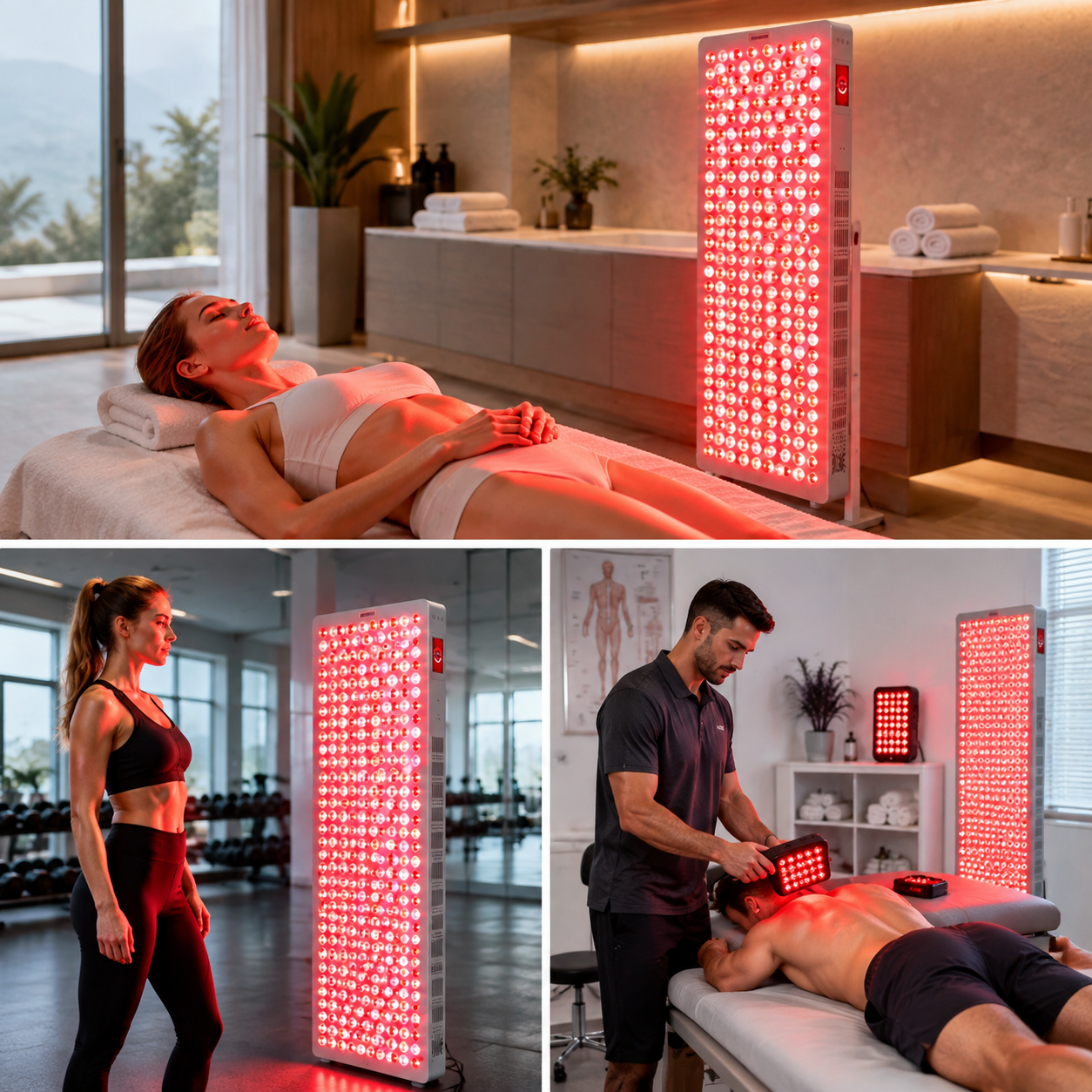
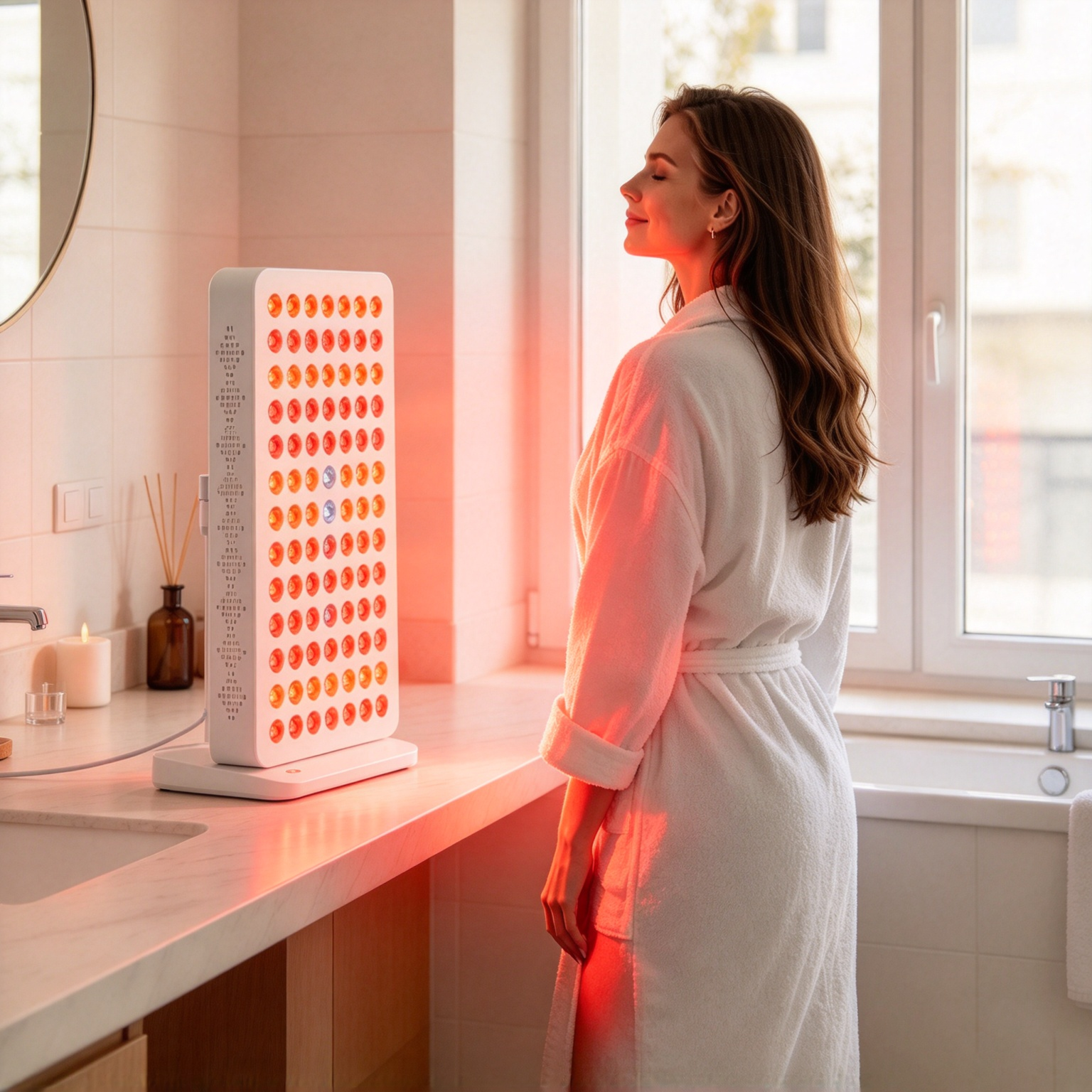
Infrared light physiotherapy is a non-invasive treatment approach that uses controlled infrared energy to warm tissue and support the body's natural recovery process. Unlike ultraviolet light, infrared energy does not tan or burn the skin when a suitable device is used correctly. Infrared light physiotherapy can help improve local circulation, ease muscle tightness, reduce temporary discomfort, and support relaxation after activity or physical strain. It may also help prepare tissues before stretching, massage, rehabilitation exercises, or other care routines. The main function of infrared light physiotherapy is to deliver gentle, targeted warmth to selected areas. Increased warmth may encourage blood flow, improve flexibility, and make movement feel more comfortable. A session can focus on the back, shoulders, knees, hips, arms, legs, or other accessible body areas. Infrared light physiotherapy equipment commonly uses infrared LEDs, lamps, panels, or flexible emitters. Modern systems may include adjustable intensity, treatment timers, cooling vents, protective covers, and an ergonomic stand or handheld design. Some models combine near-infrared and far-infrared wavelengths to provide different heating depths and user experiences. Infrared light physiotherapy can suit home wellness routines, sports recovery spaces, physical therapy clinics, rehabilitation centers, spas, and healthcare facilities. Infrared light physiotherapy is not a replacement for medical diagnosis or prescribed treatment, but it can complement professional care when appropriate. Users should follow the manufacturer's instructions, protect sensitive skin, avoid excessive heat, and ask a qualified healthcare professional about conditions, medication, pregnancy, or implanted devices. With practical controls and consistent use, infrared light physiotherapy offers a convenient way to add targeted warmth and recovery support to a daily care plan.

New Product Recommendations

The key advantage of infrared light physiotherapy is convenience. A suitable unit can deliver focused warmth without needles, medication, or complicated preparation. Infrared light physiotherapy lets users treat a selected area while sitting, resting, or completing a guided routine. This simple format can make regular care easier to maintain at home or in a professional setting. Infrared light physiotherapy may help loosen stiff muscles before exercise and calm tired areas after activity. Users often value the relaxing sensation, especially when discomfort makes movement or sleep difficult. The goal is practical support: improve comfort, encourage mobility, and make recovery routines more manageable. Results vary by person, condition, wavelength, dose, and treatment schedule, so buyers should view infrared light physiotherapy as supportive care rather than a guaranteed cure. From an operating perspective, many systems require little setup. LED panels and lamps can start quickly, use straightforward controls, and need less ongoing handling than treatments that require consumable supplies. Timers help users maintain consistent sessions, while adjustable output supports different body areas and comfort levels. Reusable equipment can also lower the long-term cost per session for frequent users, clinics, gyms, and wellness businesses. Infrared light physiotherapy fits several application settings. A home user may choose a compact model for a shoulder, knee, or lower back. A therapist may prefer a larger panel, stable stand, or flexible arm for repeat appointments. A sports facility may value quick positioning, durable construction, and easy cleaning between users. Buyers should compare coverage area, wavelength information, power settings, timer range, safety features, warranty, and service support. Infrared light physiotherapy becomes more useful when its design matches the intended treatment area and daily workflow. Look for clear instructions, comfortable positioning, protective measures, and documented performance rather than relying on attractive claims alone. Professional guidance remains important for persistent pain, injury, circulation problems, or unusual symptoms.

Latest News

Which Features Matter in Red Light Therapy Devices for Veterinary Clinics?

01

Oct

Which Features Matter in Red Light Therapy Devices for Veterinary Clinics?

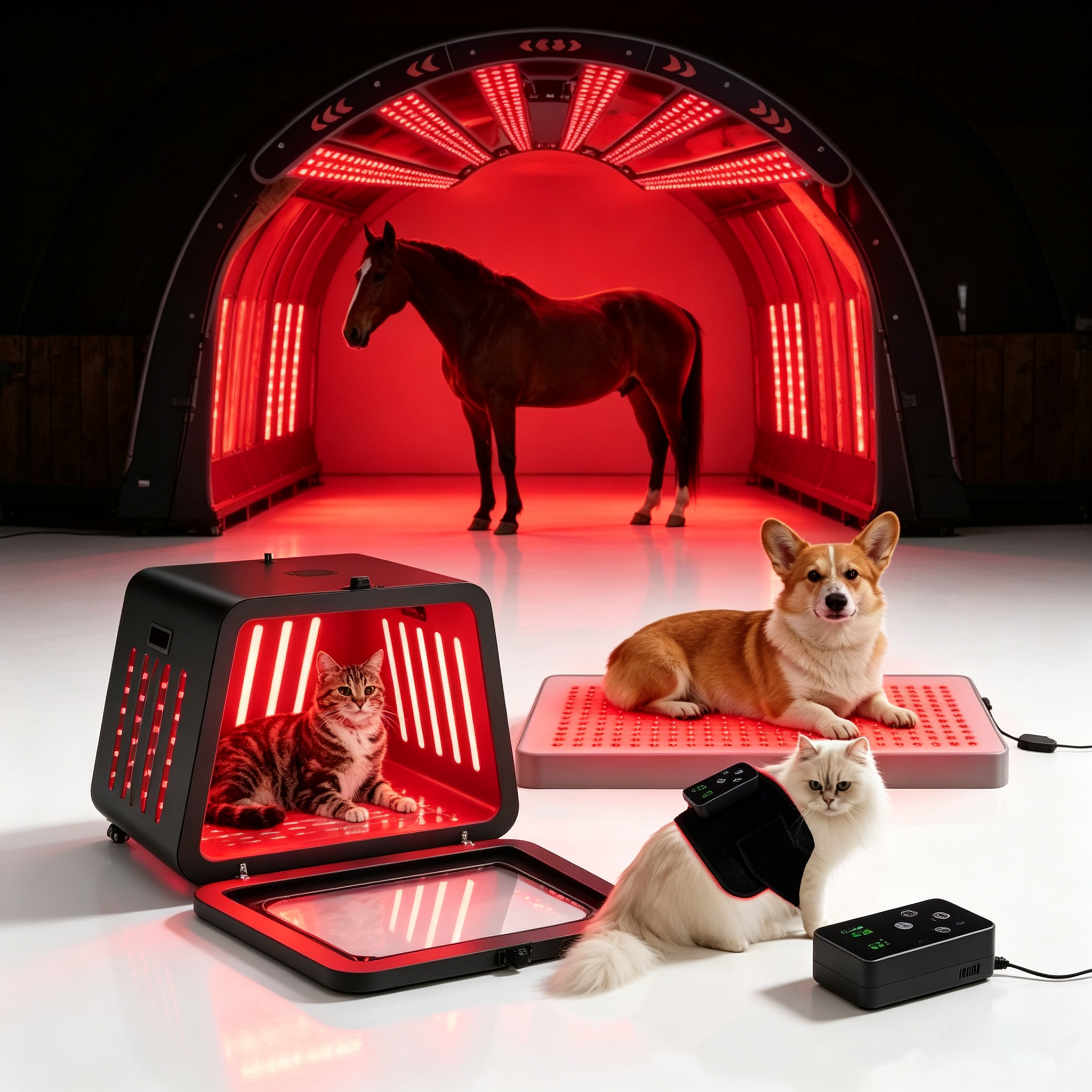
Veterinary clinics increasingly recognize the therapeutic value of light-based treatments for animal patients. Understanding which features matter most in pet red light devices is essential for clinicians selecting equipment that delivers measurable ...
View More
What Is Medical Red Light Technology and Where Is It Commonly Used?

29

Oct

What Is Medical Red Light Technology and Where Is It Commonly Used?

Medical red light technology has emerged as a powerful therapeutic tool in modern healthcare, offering non-invasive solutions for tissue healing and cellular regeneration. This sophisticated approach leverages specific light wavelengths to stimulate ...
View More
What Safety Features Should Buyers Check in Laser Therapy Devices?

22

Oct

What Safety Features Should Buyers Check in Laser Therapy Devices?

When selecting laser therapy equipment, understanding critical safety features is essential to ensure both patient protection and regulatory compliance. Medical professionals and facility operators must carefully evaluate devices before purchase to a...
View More
What Should Pet Owners Consider When Choosing Red Light Devices?

08

Oct

What Should Pet Owners Consider When Choosing Red Light Devices?

Pet owners increasingly recognize the therapeutic potential of red light devices for their animals, but selecting the right system requires understanding several critical factors. Whether you're considering pet red light therapy for pain relief, woun...
View More

Get a Free Quote

Our representative will contact you soon.
Email
Name
Company Name
Mobile
Message
0/1000

infrared light physiotherapy

Targeted warmth for daily recovery

Targeted warmth for daily recovery

A major strength of infrared light physiotherapy is its ability to focus warmth where users need it most. Instead of heating the whole body, a panel, lamp, or flexible emitter can direct infrared light physiotherapy toward a knee, shoulder, back, calf, or other accessible area. This targeted format supports efficient sessions and reduces unnecessary exposure to surrounding areas. Infrared light physiotherapy may help relax tight muscles, encourage local circulation, and make stretching or gentle movement feel easier. That benefit matters to people who want a practical addition to exercise recovery, desk-work relief, or a home wellness routine. Users can often adjust distance, angle, intensity, or session time to improve comfort. Infrared light physiotherapy is especially useful when a person wants repeatable care without preparing a bath, applying a topical product, or arranging an appointment. Buyers should select a device with a treatment area that matches their needs, because a small emitter suits focused care while a broad panel can cover larger muscle groups more efficiently.
Simple controls and consistent sessions

Simple controls and consistent sessions

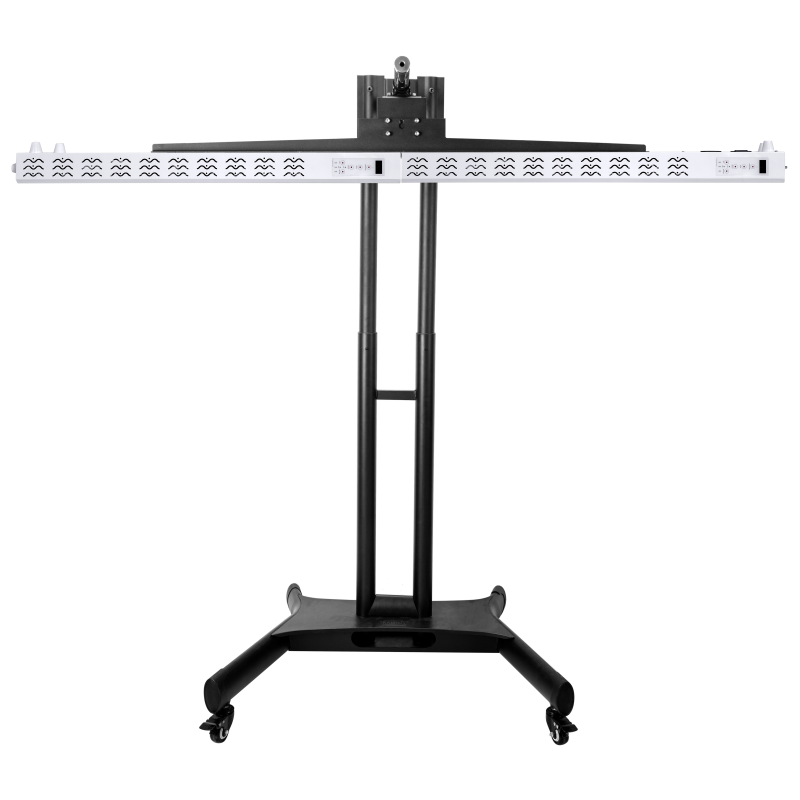
Good infrared light physiotherapy equipment turns treatment into a repeatable routine. Clear buttons, an adjustable timer, visible settings, and stable positioning help users complete sessions with less guesswork. Consistency matters because infrared light physiotherapy usually works best as part of a sensible schedule rather than through occasional, overly long exposure. A built-in timer can prevent users from forgetting the session length, while several output levels allow gradual adjustment for comfort. Infrared light physiotherapy devices with stands, handles, or flexible arms also reduce the need to hold equipment in place. This improves convenience for home users and supports smoother workflows for therapists. A clinic can position a unit, begin a timed session, and prepare other care tasks while the equipment operates according to its settings. Infrared light physiotherapy may also reduce dependence on disposable supplies, helping frequent users manage operating costs. When comparing models, buyers should check control layout, timer range, setup time, cleaning access, noise, heat management, and the clarity of user instructions.
Flexible use across home and professional settings

Flexible use across home and professional settings

Infrared light physiotherapy can support a wide range of users because equipment comes in compact, portable, and larger professional formats. A household may choose a lightweight unit for occasional care, while a clinic, gym, or rehabilitation center may need a broad panel with a stand and durable housing. This flexibility allows infrared light physiotherapy to serve different treatment areas, schedules, and budgets. Portable designs can move between rooms or travel with the user, making infrared light physiotherapy suitable for people who want recovery support beyond a fixed treatment space. Larger systems can cover more tissue at once and may improve appointment efficiency when staff treat multiple clients. Infrared light physiotherapy also works well alongside stretching, massage, mobility training, and supervised rehabilitation, provided a qualified professional approves the plan. Practical safety features remain essential. Look for stable bases, protective screens, automatic shutoff, temperature control, and clear distance guidance. Buyers should also confirm warranty coverage, replacement support, electrical certification, and cleaning requirements before choosing a model.

Get a Free Quote

Our representative will contact you soon.
Email
Name
Company Name
Mobile
Message
0/1000