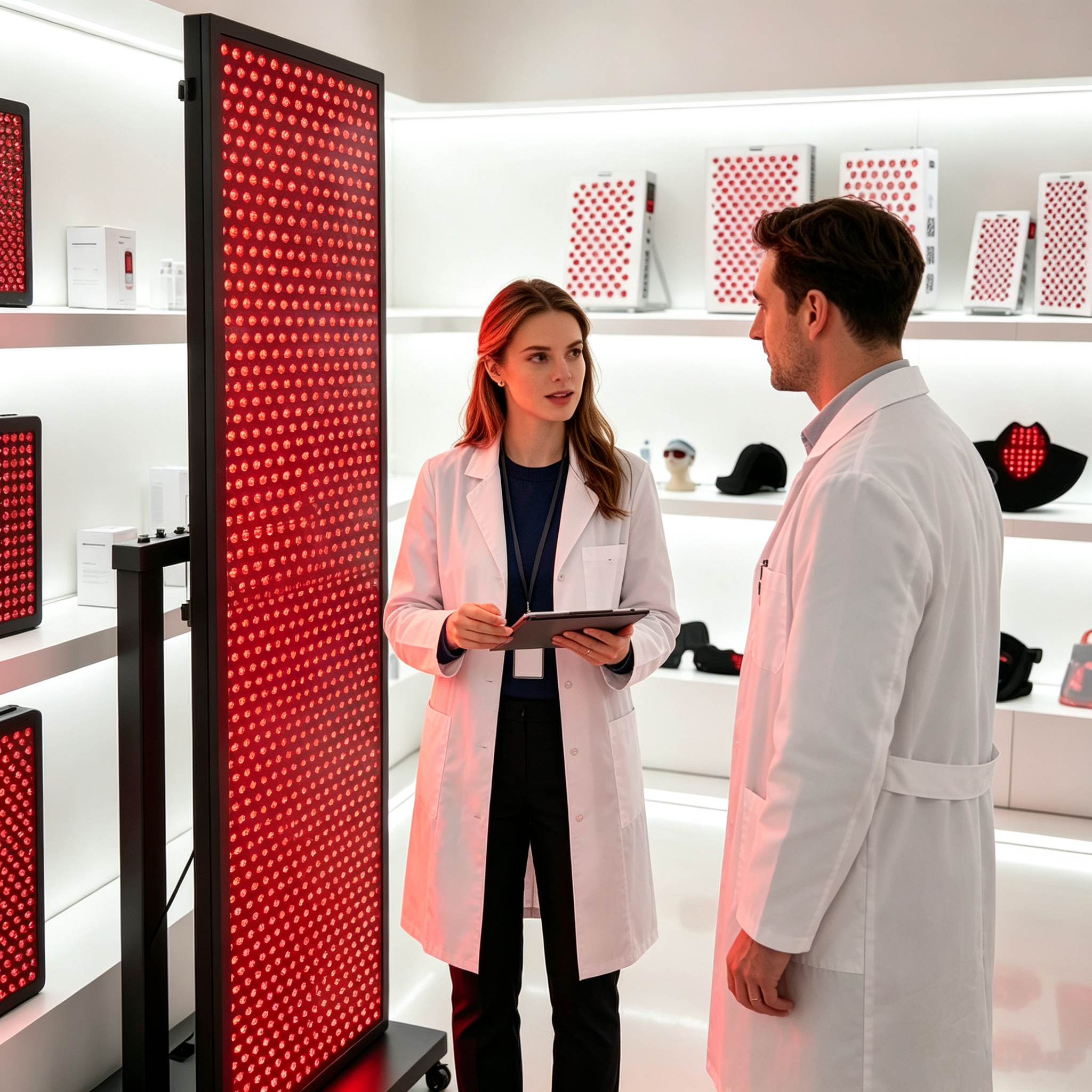
medical red light
Medical red light is a non-invasive light therapy system designed to deliver controlled red and near-infrared wavelengths to the skin and underlying tissue. The medical red light supports cellular activity by providing energy that may help the body manage inflammation, circulation, discomfort, and tissue repair. It does not use ultraviolet radiation, needles, or heat levels associated with thermal treatment, making the medical red light suitable for many supervised care settings.
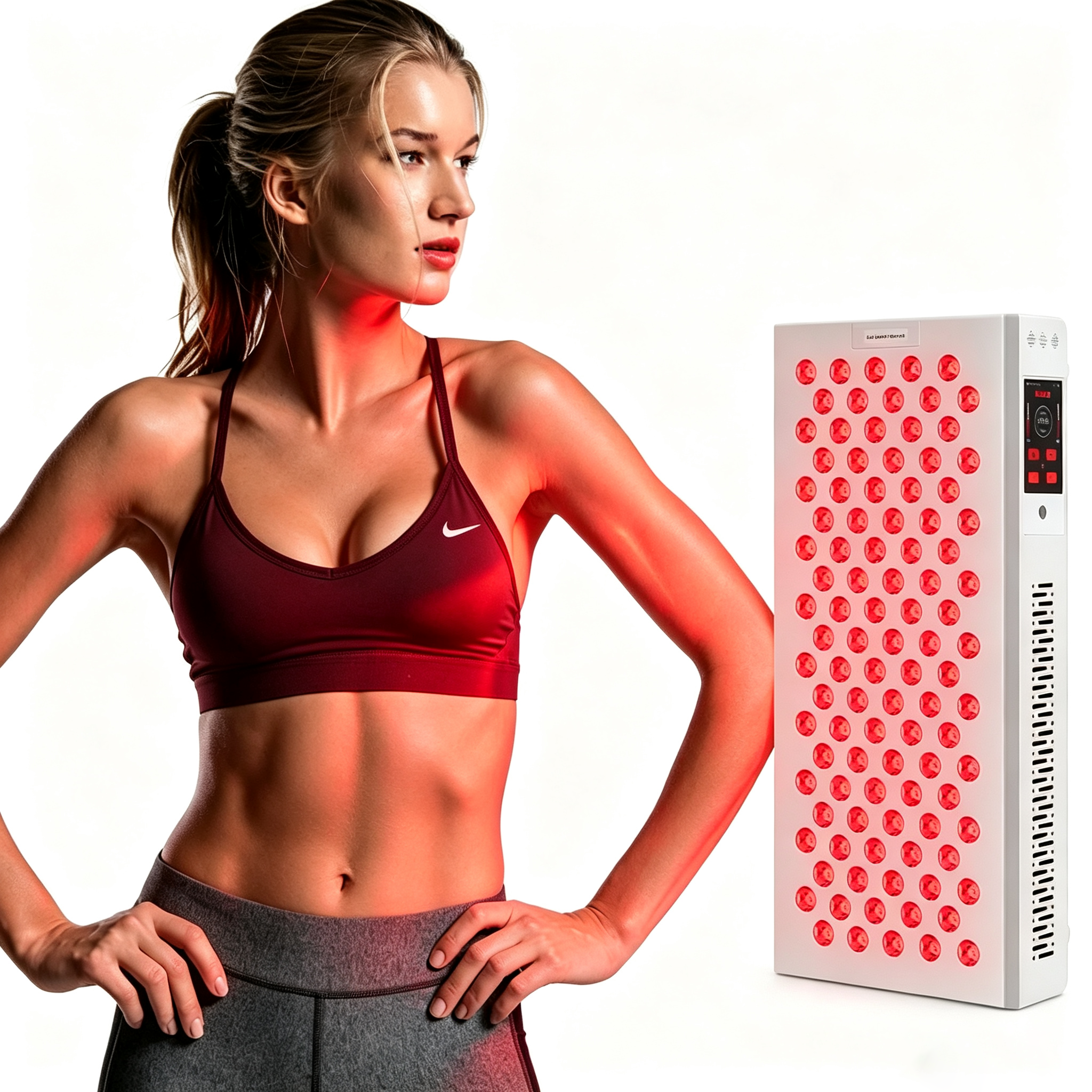
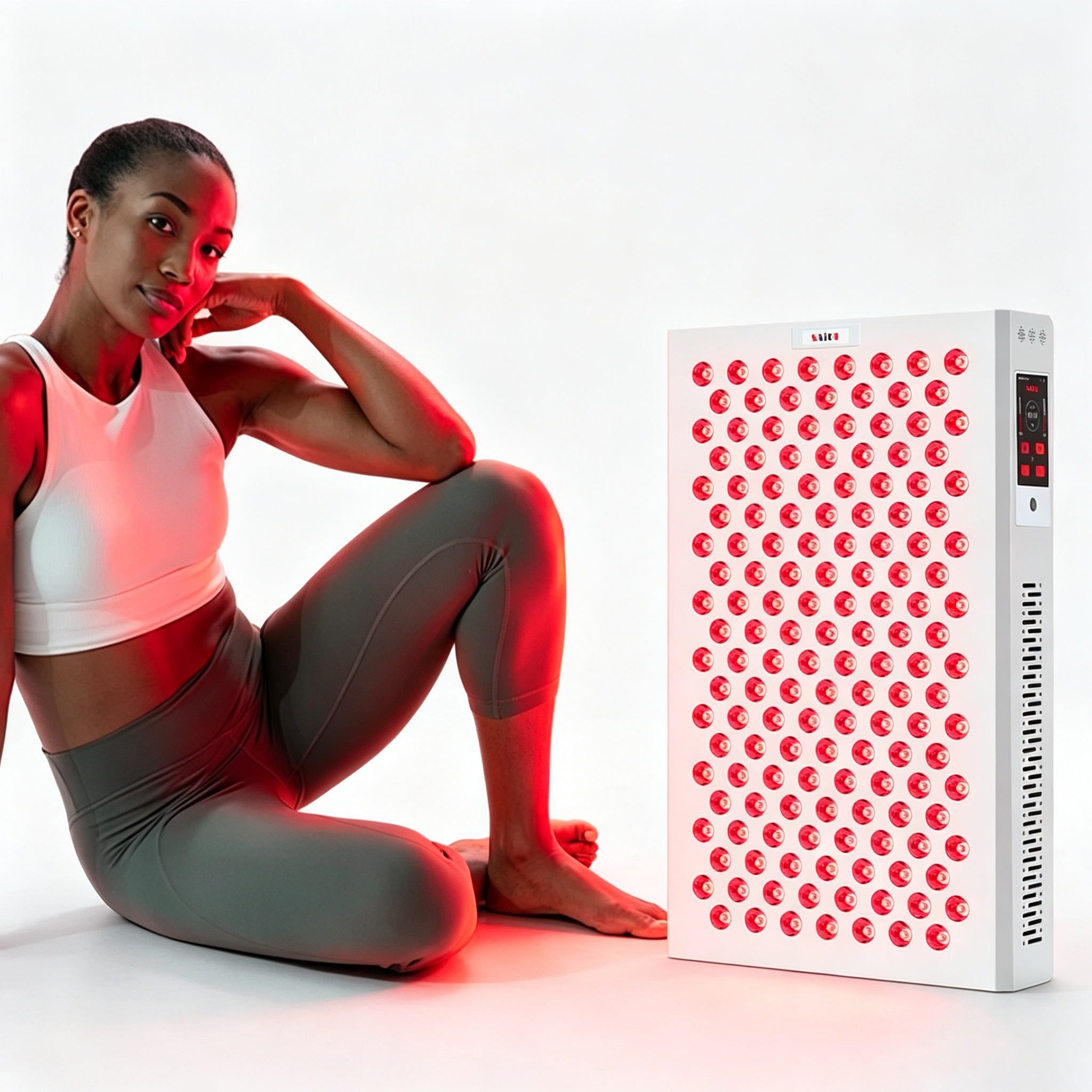
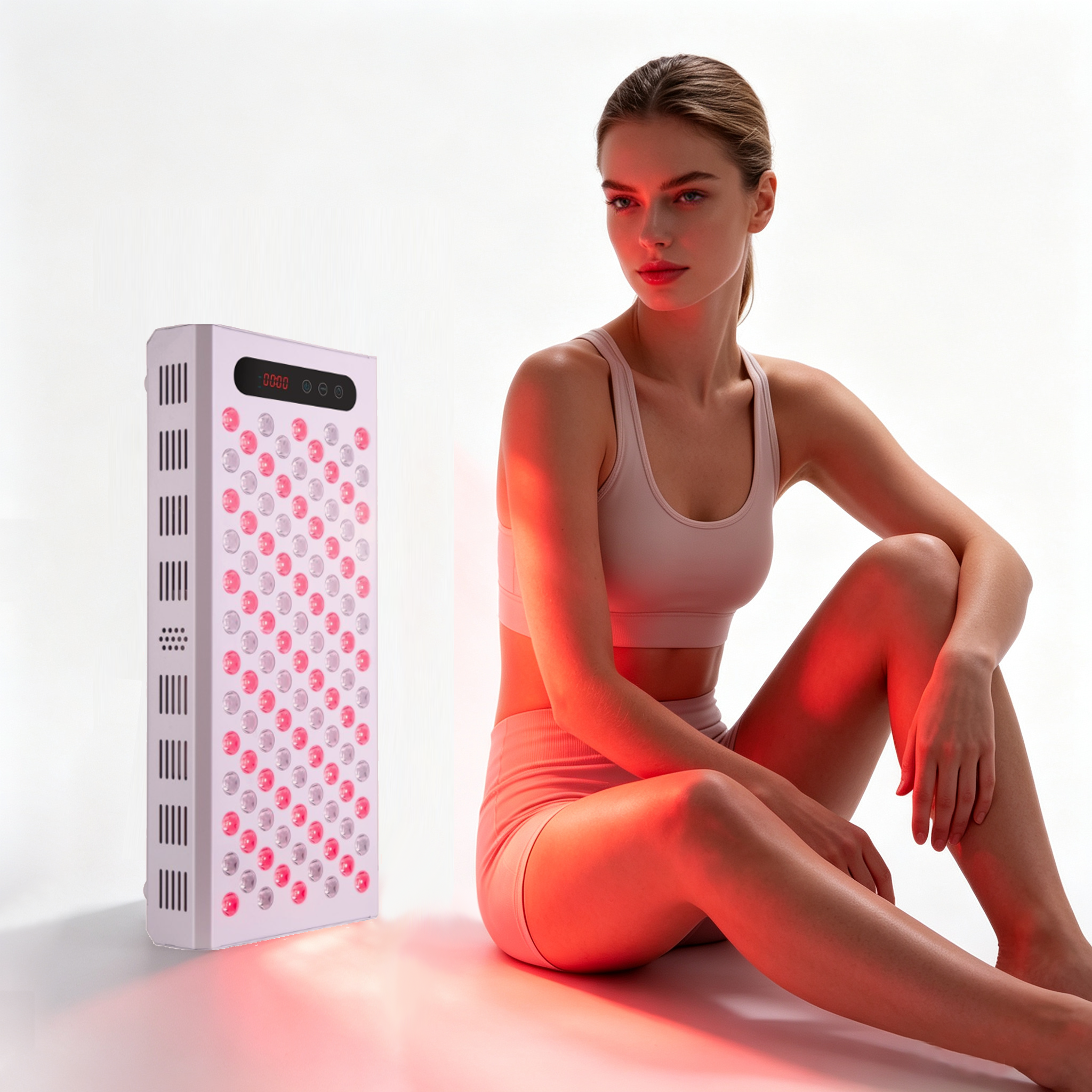
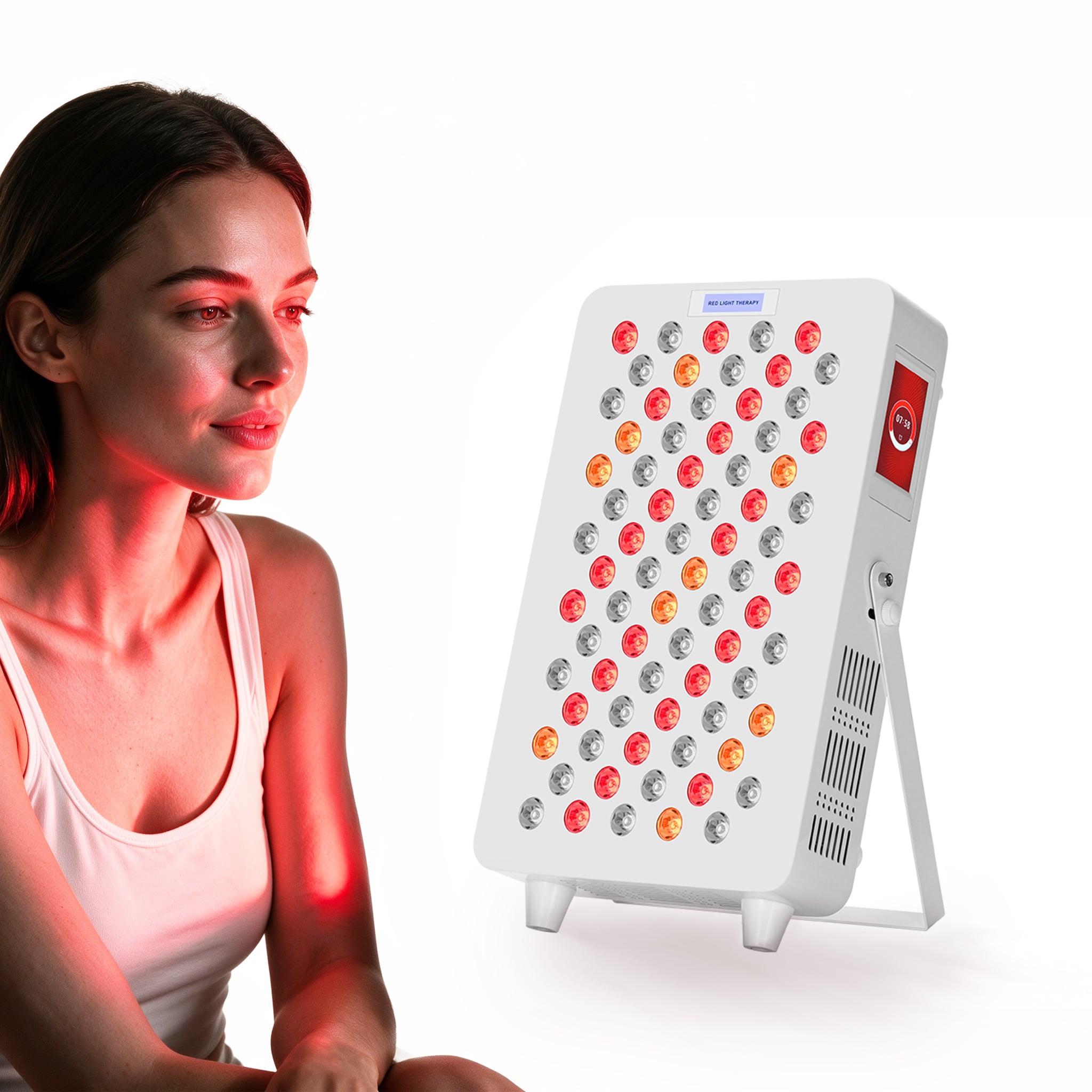
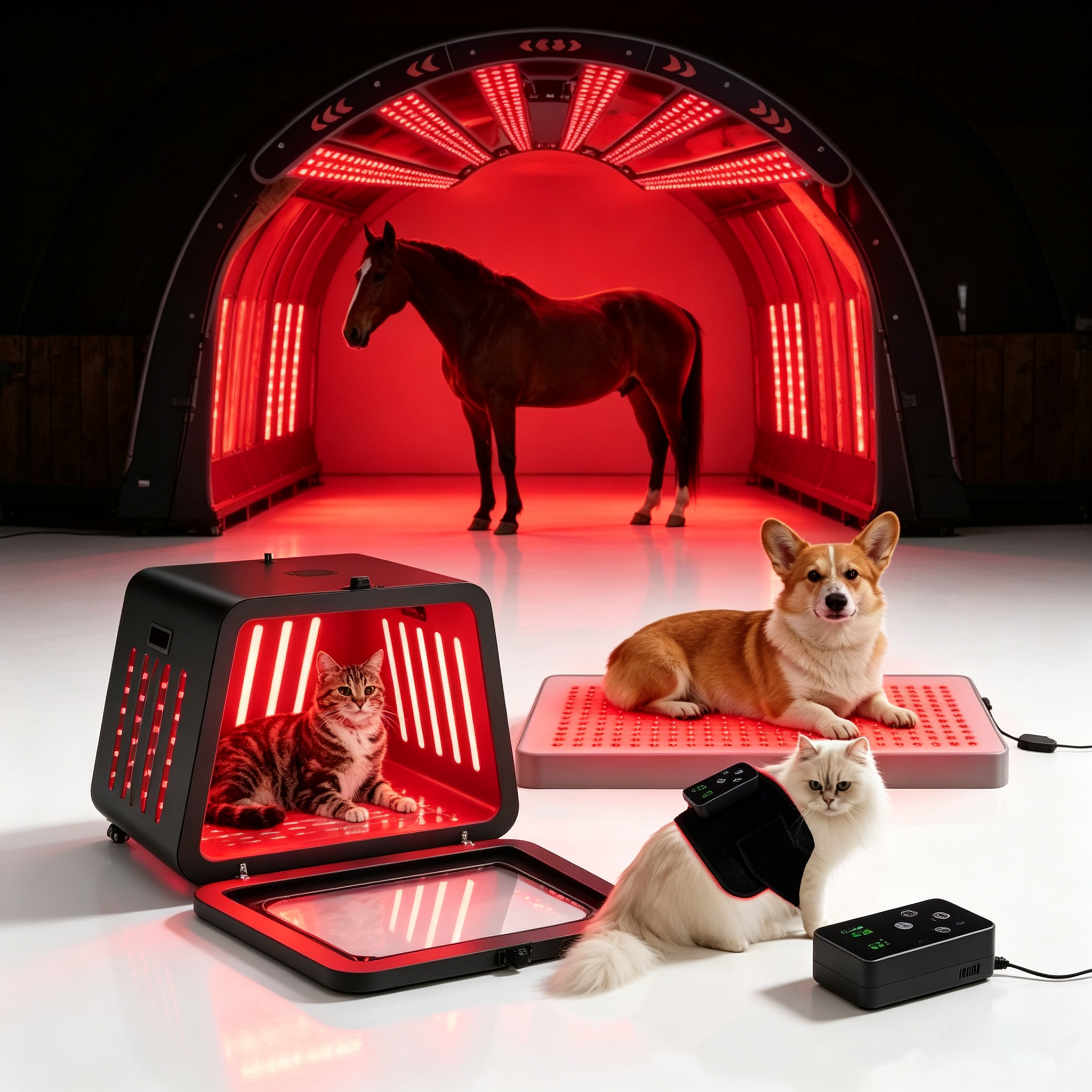
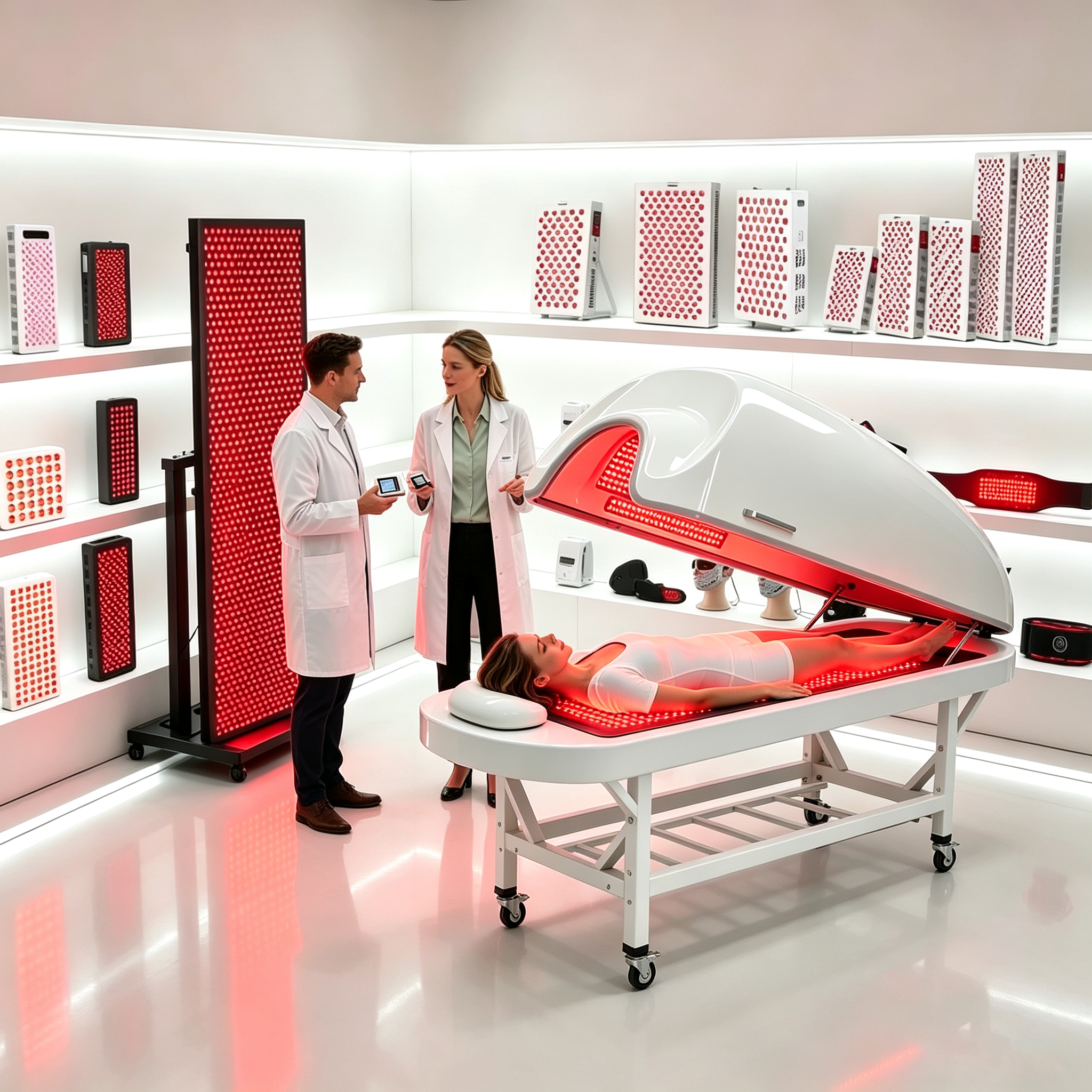
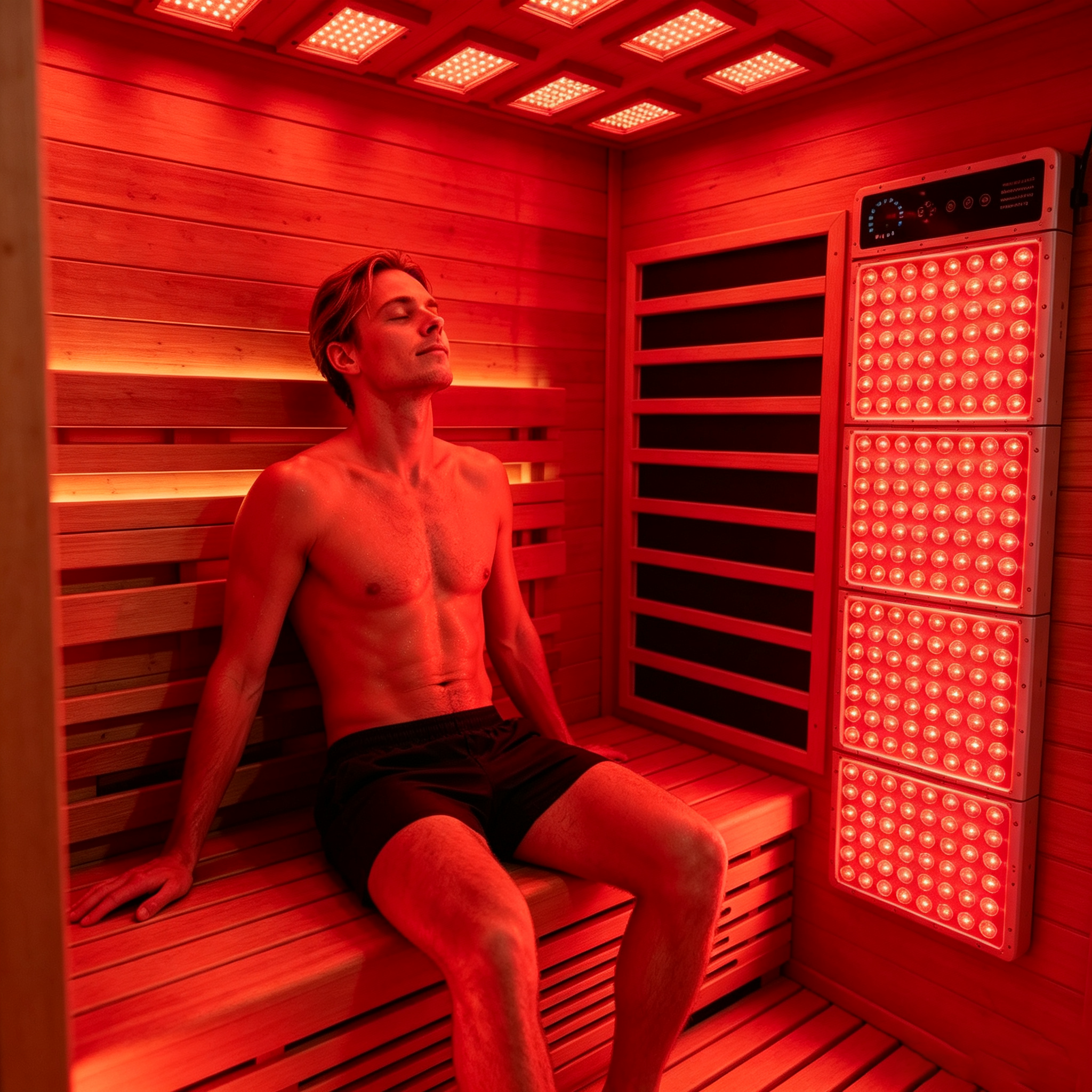
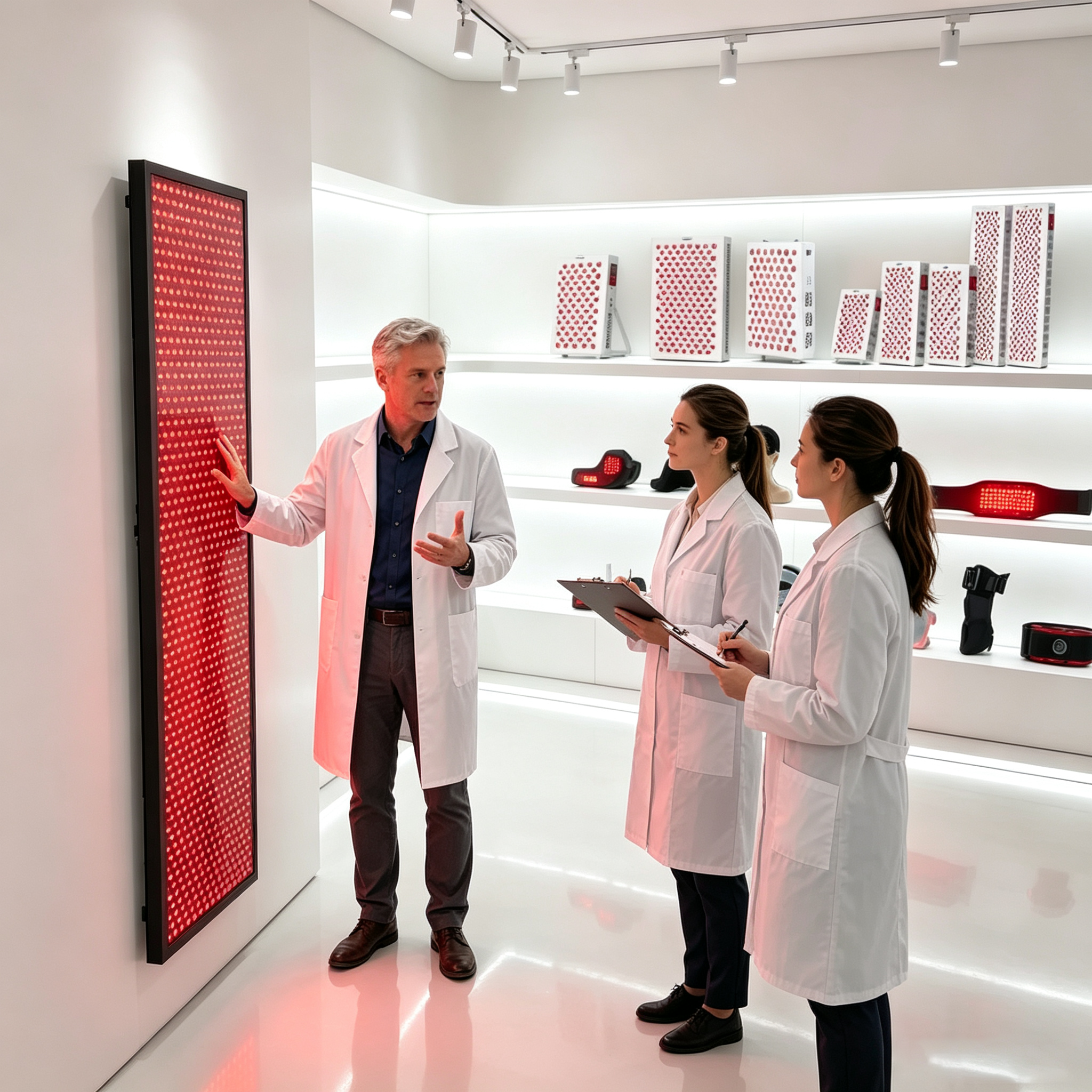
A typical medical red light includes LED panels, flexible pads, handheld applicators, or full-body frames. These systems may offer selected wavelength ranges, such as visible red light for surface treatment and near-infrared light for deeper target areas. Digital controls can adjust treatment time, intensity, program selection, and operating mode. Some medical red light products also include timers, cooling features, protective eyewear, treatment records, and preset protocols.
The main functions of medical red light equipment include supporting wound care, easing temporary muscle and joint discomfort, promoting recovery after physical activity, and improving the appearance of certain skin concerns. A medical red light can serve clinics, rehabilitation centers, sports facilities, dermatology practices, wellness providers, and home users who follow professional guidance.
Medical red light treatment is generally comfortable and requires little downtime. However, results and suitability depend on wavelength, dose, distance, session frequency, and the condition being addressed. Buyers should choose a medical red light with clear specifications, safety guidance, reliable construction, and appropriate professional support. Used correctly, the medical red light offers a practical option for repeated, controlled light-based care.